
Last updated November 23, 2026
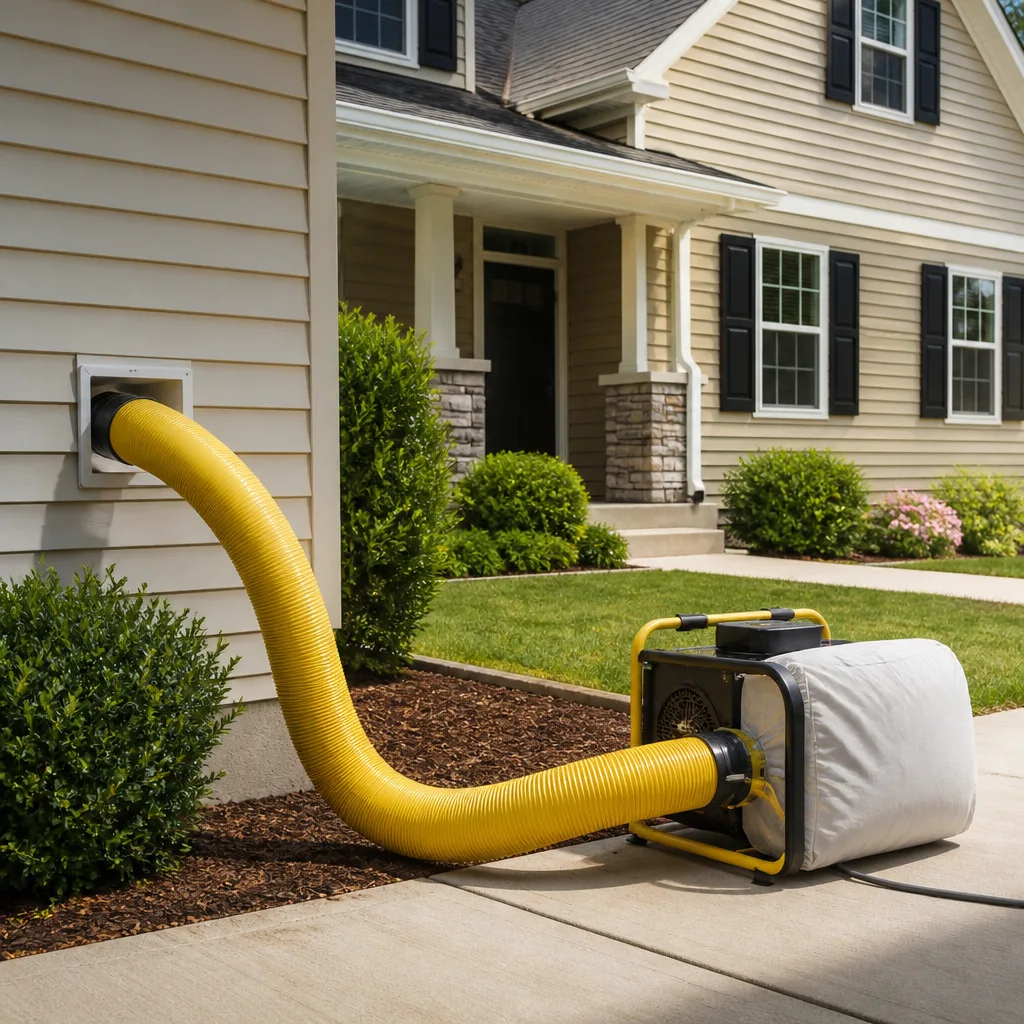 Whole-home duct cleaning
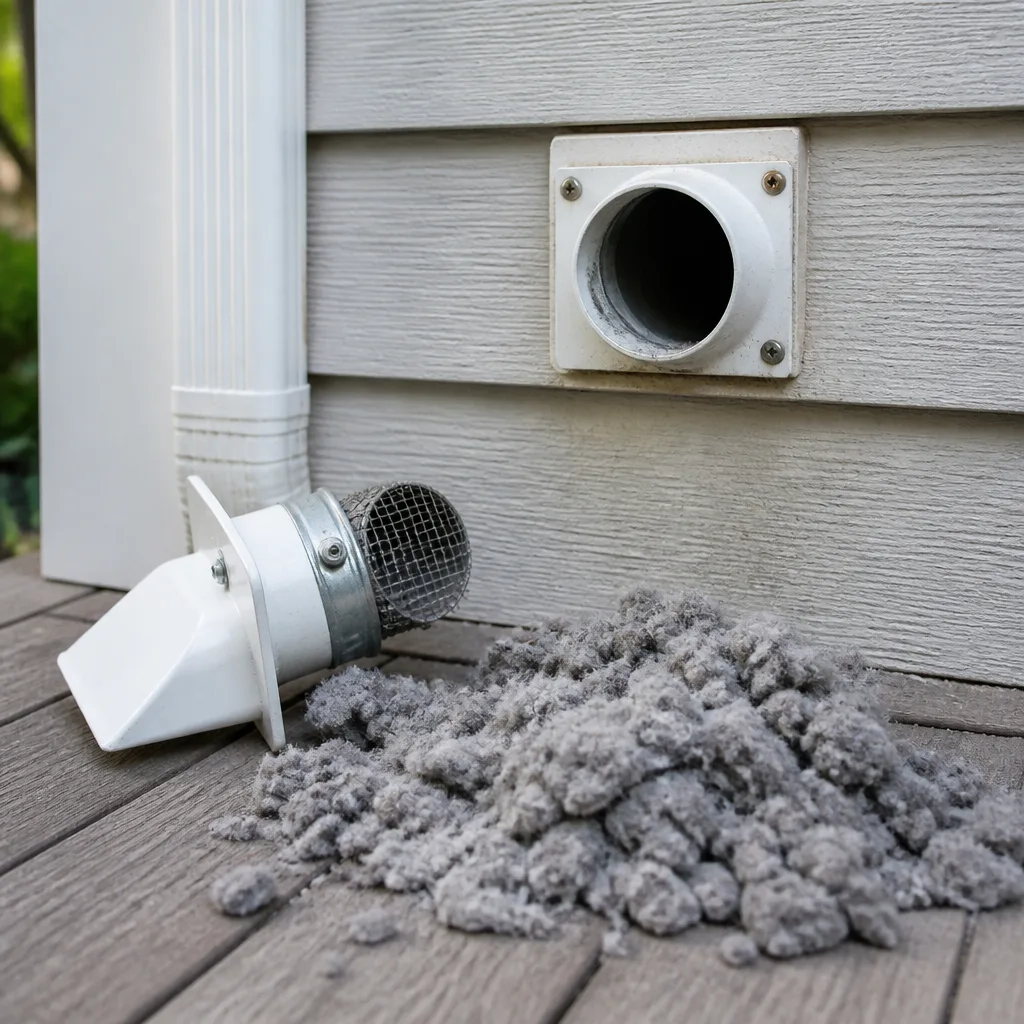 Dryer vent cleaning
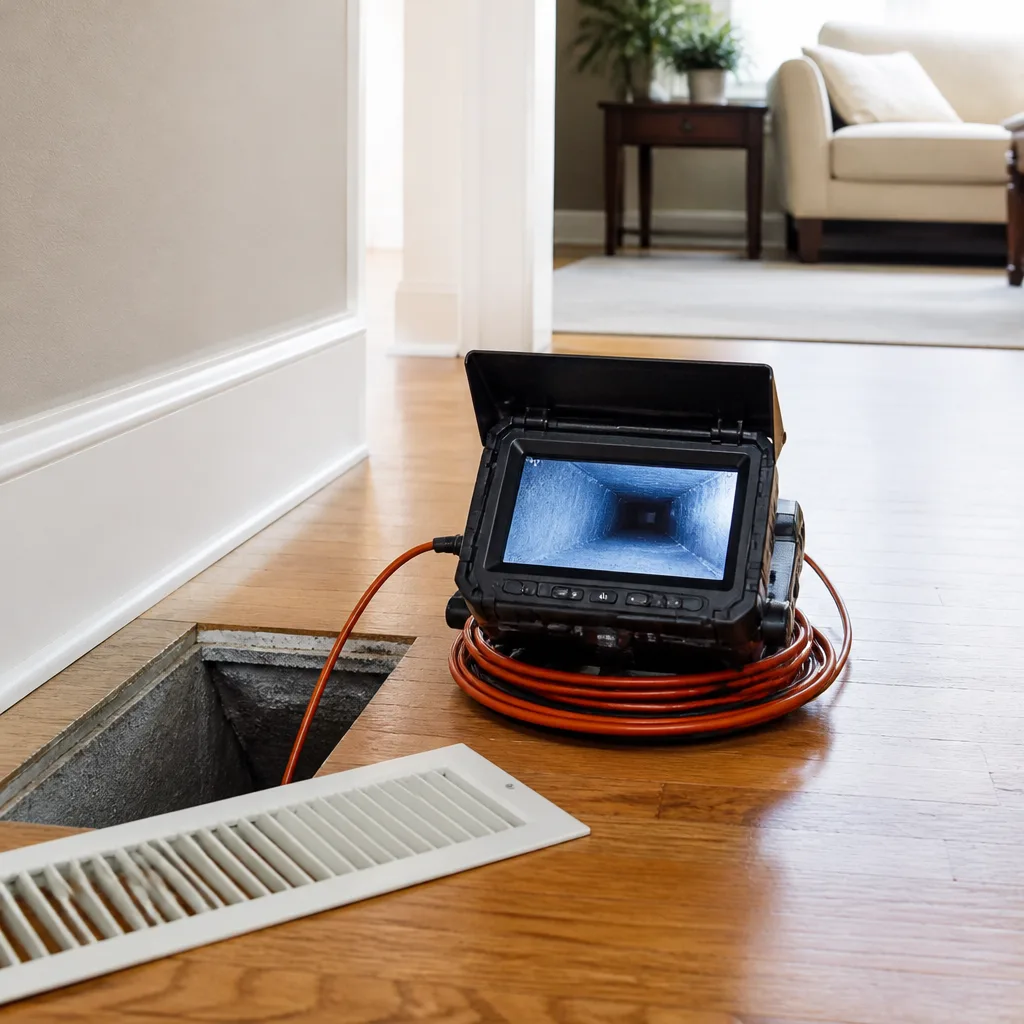 Camera inspection
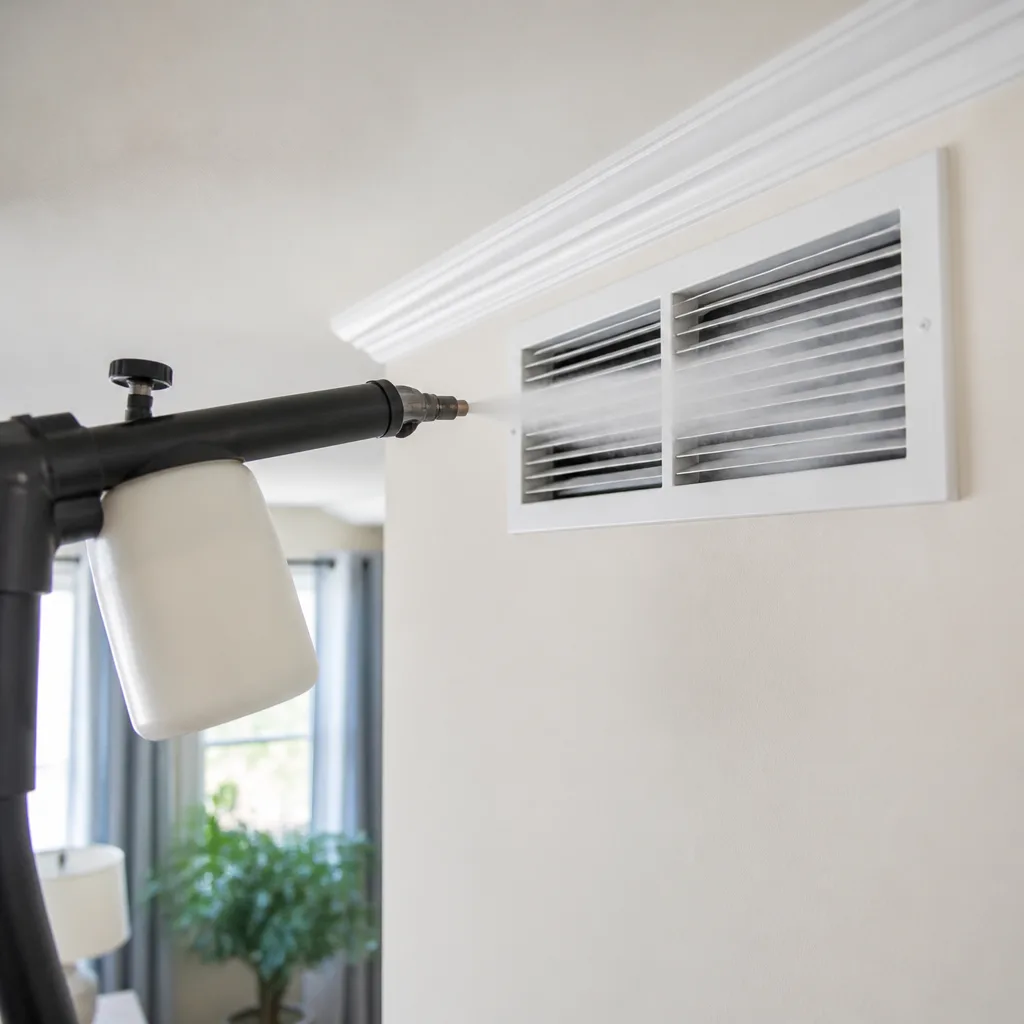 Sanitizing & deodorizing
Whole-system duct and dryer vent check with before-and-after photos - you see exactly what came out of your vents
That "$99 whole-house special" is a bait ad - the real number appears once they are in your hallway, or the "clean" is a shop-vac at the register. We photograph the inside of your ducts before and after instead.
Air Duct Cleaning Warning Signs: A Tooele Homeowner’s Reference Guide
The first musty smell when the furnace kicks on in October gets waved off as startup dust almost every time. It usually isn’t. In many Tooele homes, that smell is moisture that settled into the duct system during the dry summer and the cool fall nights, and it gets noticeably worse once the heat runs hard through January. The problem isn’t that homeowners ignore warning signs. It’s that nobody ever handed them a reference for what normal looks like inside a duct system, so they have no baseline to compare against. This guide gives you that baseline. You’ll learn which signs are cosmetic, which point to mold, pests, or failed duct sealing, and how to check your own registers safely without a single tool. Tooele homes have their own patterns, and we’ll cover those too.
Quick Answer
The main warning signs that your air ducts need professional attention are a musty or acrid odor when the system starts, visible grey or black residue rings around supply registers, dust that returns within days of cleaning, uneven room temperatures, filters that load up far faster than they should, and rising energy bills with no other explanation. Cosmetic surface dust at a register is normal and cleanable. Dark staining, odor, or pest evidence points to a deeper problem that cleaning alone may not solve. In Tooele, the dry climate and heavy seasonal temperature swings make duct sealing and moisture control just as important as the cleaning itself.
Styles & brands we work with
- Whole-home duct cleaning
- Dryer vent cleaning
- Camera inspection
- Sanitizing & deodorizing
Table of Contents
- Cosmetic Dust vs. Real Contamination: How to Tell the Difference
- What the Smell Is Telling You: Musty, Burning, and Acrid Odors
- Performance Warning Signs: Uneven Rooms, Filters, and Utility Bills
- How to Inspect One Supply Register and One Return Grille Safely
- Tooele-Specific Triggers: Depot Corridor, Farmland, and Desert Dust
- Moisture, Mold, and the October Startup Smell
- Pest Intrusion: The Signs Most Homeowners Miss
- Duct Leakage and Sealing: The Root Cause Behind Most Symptoms
Cosmetic Dust vs. Real Contamination: How to Tell the Difference
Dust at a supply register is not automatically a problem. Every forced-air system in Tooele moves fine particulate through the airstream, and some of it settles on the grille face. That thin, even, light-grey film is cosmetic. It wipes off, it comes back slowly, and it says almost nothing about the condition of the duct interior. What matters is the pattern, the color, and the location.
Grey or black residue rings are a different signal. When you see a darker band or a ring of staining around the perimeter of a register, or streaks radiating outward from the louvers, that’s usually airflow turbulence marking. Air is escaping or eddying at that seam rather than moving cleanly through the grille, and it’s depositing whatever it carries right at the edge. Those rings often sit above a leaky boot connection or a poorly sealed register box. The contamination is being driven by pressure, not just settling by gravity.
Reading the register face
- Light, even grey film: normal surface dust; clean the grille and move on.
- Dark ring or halo around the perimeter: airflow escaping at the seam, likely a leak behind the grille.
- Streaking from the louvers: turbulence or excess velocity at that run.
- Black or green-black spotting: possible microbial growth; treat this as a moisture problem first.
- Fuzzy or fibrous buildup: lint or insulation fibers entering the airstream, often a sign of deteriorating duct liner.
The most useful habit is comparison. If eight registers look lightly dusty and one is stained black, the odd one out is the one to investigate. In Tooele homes with mixed ductwork, you’ll often find one run that’s clearly worse than the rest, and that typically points to a disconnected or crushed section rather than a whole-system problem. Whole-system cleaning won’t fix a single failed run, and a single failed run won’t fix a system-wide issue. Knowing which you have is the whole point.
If the contamination is widespread rather than localized, that’s when air duct cleaning becomes the right call rather than a patch job on one register.
What the Smell Is Telling You: Musty, Burning, and Acrid Odors
Odor is the most reliable warning sign a homeowner has, and it’s also the most misdiagnosed. Each smell points at a different root cause, and the distinction matters because the fix is different in each case. A musty smell is a moisture story. A burning smell is a heat story. An acrid or ammonia smell is often an animal story.
Musty odor
Musty air means moisture has been sitting somewhere long enough to support microbial growth. In the duct system, that’s usually a condensate issue, a poorly sealed return pulling humid air from a crawlspace, or a cooling coil that stays wet between cycles. In Tooele, the low humidity most of the year makes this feel unlikely, but summer monsoon moisture and swamp cooler setups change the picture fast. A musty smell that shows up when the heat first runs in the fall is the classic pattern.
Burning or hot-dust odor
A brief dusty smell in the first few minutes of the heating season is often just dust burning off the heat exchanger. An odor that persists, or that smells genuinely scorched, is a different matter. Debris resting on or near the heat exchanger, a blocked flue path, or an overheating component can all produce it. This is a stop-and-call situation, not a clean-and-ignore situation. Shut the system down and have a qualified technician look at it. We don’t recommend trying to diagnose combustion-side issues yourself.
Acrid, ammonia, or urine odor
This is the one most homeowners never connect to their ducts. An acrid or ammonia-like smell, especially one that’s stronger in some rooms than others, often means animal activity inside a duct run. Rodents and other small animals use duct chases as travel routes, and their waste leaves a persistent odor that no amount of filter replacement will fix. Sanitizing after removal matters, but removal and sealing come first. Our hvac cleaning service addresses the whole air path when the source turns out to be the air handler or plenum rather than the duct run itself.
Performance Warning Signs: Uneven Rooms, Filters, and Utility Bills
Duct problems don’t always announce themselves with smell or visible dust. Often the first clue is performance. The system starts behaving like it’s working harder for less result, and the symptoms show up as comfort complaints and higher bills rather than anything you can see. These are the signals that show up in Tooele homes before a homeowner ever thinks about the ducts.
Uneven room temperatures are the most common. One bedroom runs hot in summer and cold in winter, or the room at the end of the longest run never quite catches up. That’s usually a pressure problem: leaks upstream steal air from the far runs, or a crushed or disconnected duct simply isn’t delivering. Filter loading frequency is the next signal. A filter that used to last a full season and now looks grey in a few weeks is telling you the system is moving more particulate than it should, and the likely source is the ducts themselves rather than the return grille.
Signals worth tracking
- Room-to-room temperature gaps that weren’t there before, especially at the end of the longest run.
- Filters clogging faster than the previous season’s pattern.
- Rising utility bills with the same usage and no rate change on the statement.
- Longer run times before the house reaches the setpoint.
- Weak airflow at some registers while others feel strong.
- Short cycling in mild weather, which often points at pressure imbalance from leaks.
Any one of these can have other causes. Two or three together, on a system that used to behave, is a strong hint that the duct system is leaking or restricted. Our technicians have up to 9 years of experience reading these patterns, and we start with pressure and airflow questions before recommending anything. If you want a starting point, Tooele Air Duct Cleaning walks through the full menu of services.
How to Inspect One Supply Register and One Return Grille Safely
You can assess contamination depth yourself with no tools and no risk, as long as you stay on the room side of the system. The goal isn’t to clean anything. It’s to see what the airstream is carrying and how far the buildup extends. Do this once, note what you see, and use that as your baseline going forward.
- Turn the system off at the thermostat. Give the fan a minute to spin down fully before you touch anything.
- Remove a supply register cover. Most are held by two screws or simply lift out of a friction frame. Set the screws somewhere you won’t lose them.
- Look straight into the boot with a flashlight. You’re checking the first several inches of duct, not the whole run. Note the color and density of any coating on the metal.
- Check the seam where the duct meets the register box. Gaps, torn tape, or separated joints here are leakage points.
- Replace the supply cover, then do the same at one return grille. The return side often shows more, since it’s pulling from the living space.
- Look for streaking on the return filter face and check whether the filter frame seats flush.
- Reinstall everything, then restart the system. Note any change in odor or airflow you didn’t notice before.
A light, even coating is cosmetic. A thick, dark, fibrous coating that extends past the first few inches is a sign of real buildup. If you see fuzzy growth, staining that looks wet, or pest evidence, stop and call a professional. Don’t reach into the duct; you can’t see what’s in there, and the heat exchanger and electrical components downstream aren’t things to probe blindly. A professional inspection using negative-air containment will show you exactly what’s in the system without spreading it into your living room.
Tooele-Specific Triggers: Depot Corridor, Farmland, and Desert Dust
Tooele homes don’t share a single contamination profile. Location within the valley changes what ends up in a duct system, and knowing your local pattern helps you interpret what you’re seeing. The dry climate is the common thread: low humidity most of the year, but significant dust loading and seasonal temperature swings that stress every seam in the ductwork.
Homes near the Tooele Army Depot corridor tend to see more fine particulate in the airstream. Wind-driven dust settles into returns and accumulates in the lower runs. Homes near active agricultural areas show a different pattern, often with more organic material, insect activity, and seasonal pollen loading depending on what’s grown nearby. Neither situation means your ducts are failing, but both shift the maintenance rhythm. A suburban home in the middle of a subdivision may go much longer between cleanings than a home bordering open land.
How the Tooele climate affects duct condition
- Winter temperature swings expand and contract duct seams, opening small leaks over time.
- Summer monsoon moisture raises humidity for brief stretches, enough to wake up dormant microbial growth in a poorly sealed system.
- Wind-driven dust loads returns quickly, especially on the west and south sides of homes.
- Heavy heating-season use means the system moves a lot of hot air through the same ducts for months.
- Swamp cooler setups introduce moisture into the airstream in a way refrigerated systems don’t, and those homes need a closer look at duct moisture.
If you’re in one of the areas with elevated particulate, duct repair and sealing matter as much as cleaning. Cracks and gaps let in exactly the contamination you’re trying to keep out, and no amount of cleaning fixes a leaky system. We address both together, and we use Abatement Technologies negative-air tools during service so loosened debris stays contained on the job rather than migrating into your living space.
Moisture, Mold, and the October Startup Smell
That first-run musty smell in October is almost always a moisture story that started months earlier. During the cooling season, air conditioning coils and drain pans produce condensate. In a well-sealed system, that moisture leaves the way it’s supposed to. In a system with gaps, disconnected runs, or a pan that doesn’t drain cleanly, moisture lingers in the duct system, and by the time the heat runs for the first time in the fall, the smell announces itself as a concentrated burst.
The reason it gets worse through winter is simple. Heating season in Tooele means the system runs hard, and every cycle pushes air through whatever grew during the summer. Circulation is higher, occupant exposure is higher, and the smell gets stronger with use. Addressing it before the heating season starts is easier and less expensive than addressing it in January. That’s not a scare tactic; it’s just how the seasonal pattern works.
Moisture warning signs worth acting on
- Musty odor when the system first starts, especially in the fall.
- Visible staining or dark spotting inside a register boot that looks wet rather than dry.
- Condensate stains on the air handler cabinet or on the floor beneath it.
- Rust or corrosion on duct metal near the coil or plenum.
- Recurring filter odor, even after replacement.
Mechanical cleaning removes the substrate that growth lives on. Sanitizing after cleaning with Guardsman-grade products addresses the microbial load that remains, and it also handles the odor that mechanical cleaning alone leaves behind. We sanitize after cleaning rather than instead of cleaning, because the surface has to be physically clean before any treatment can do its job. If you’re wondering whether your system needs this, a free estimate will tell you honestly. Homes near the Great Salt Lake shoreline, which is visible from much of Tooele, often face a related challenge: fine mineral dust carried inland on the wind, which settles in returns and needs to be physically removed, not just filtered.
Pest Intrusion: The Signs Most Homeowners Miss
Pests in duct systems are more common than most homeowners assume, and the signs are easy to misread. The animals aren’t typically living inside the ducts the way people imagine. They use duct chases, returns, and the spaces behind register boxes as travel routes and nesting sites. That’s why the evidence often shows up at registers and bends rather than uniformly through the system.
What to look for
- Droppings near a register or in the return box. Small, dark, pelleted, and often clustered.
- Acrid or ammonia odor that’s stronger in specific rooms and doesn’t respond to filter changes.
- Gnaw marks or chewed sealant on duct joints or the register frame.
- Nesting material pulled into a return grille or visible behind it.
- Scratching at startup when the system first runs, often a sign of activity being disturbed.
The order of operations matters here. Cleaning without removal of the animals and exclusion of their access point just moves the problem. We start by identifying where the intrusion is happening and what’s been contaminated, then clean, then sanitize, then seal. Sealing is the step most homeowners skip, and it’s the one that stops the cycle. Without it, the same access point stays open and the same evidence returns.
If the evidence is at the air handler rather than the ducts, our hvac cleaning service covers the plenum and coil area where pests often find the easiest entry. And if the intrusion has been ongoing, dryer vent cleaning is worth doing at the same time, since dryer vents are a common intrusion route into the wall system.
Duct Leakage and Sealing: The Root Cause Behind Most Symptoms
If you take one idea from this guide, make it this one: most duct cleaning warning signs trace back to leakage. Uneven rooms, filter loading, dust rings, and rising utility bills all have leak-based explanations more often than they have cleaning-based ones. Cleaning removes what accumulated. Sealing stops more from accumulating. You need both, and in our experience the second part is what actually changes how the home behaves.
The mechanics are straightforward. A duct system that leaks pulls unconditioned air from wherever the leak is: a crawlspace, an attic, a wall cavity, or the soil under the slab. That air carries dust, moisture, and whatever else lives in those spaces. When it’s hot or cold outside, the leaked air makes the system work harder to reach the setpoint. In Tooele, with summer highs well into the nineties and winter temperatures dipping into the teens, that extra load shows up on the utility bill. A leaky system is also why filters load faster than they should: the system is pulling particulate it should never have drawn in.
Leak indicators worth knowing
- Visible gaps in duct tape, mastic, or joints on a visual inspection.
- Disconnected or crushed runs that deliver weakly or not at all.
- Streaking dust at register seams, described earlier.
- Comfort complaints concentrated in the room farthest from the air handler.
- Pressure issues that make one zone hard to balance while another is fine.
When the leakage is significant enough that cleaning alone won’t hold, we move into repair and sealing as part of the same effort, using the same contractor-tier gear. Rotobrush rotary systems and Nikro negative-air units handle the cleaning side; the sealing addresses the reason the ducts got dirty in the first place. That combination is what separates a full-system approach from a one-task cleaning crew.
Common Mistakes to Avoid
- Treating every register as equally dirty. A single stained register tells you more than the other seven combined, and it usually points to one problem run rather than a system-wide issue. If you ignore that distinction, you’ll overspend on the wrong fix.
- Replacing filters as a diagnostic. New filters help with particulate load, but they don’t fix a musty smell, a pest problem, or a leak. A filter is a screen, not a solution.
- Waving off the October musty smell. That first-run odor is a moisture story from the summer, and in Tooele homes the problem compounds through winter rather than fading. Getting it checked in the fall is easier than in January.
- Choosing a blow-and-go crew. Consumer-grade vacuums and quick blow-throughs don’t have the negative-air containment to keep loosened debris out of your living space. Contractor-grade systems from Rotobrush, Nikro, and Abatement Technologies aren’t an upsell; they’re the baseline for doing the job properly.
- Cleaning without sealing. If the ducts leak, cleaning without sealing just re-dirties the system. The root cause has to be addressed or you’re buying the same service twice.
- Ignoring pest evidence. Droppings and gnaw marks at a register need removal, sanitizing, and exclusion, in that order. Cleaning alone leaves the source in place.
- Assuming a new home is exempt. Newer Tooele builds with tight envelopes can have pressure issues that force air through leaks. Tight construction isn’t a guarantee of clean ducts.
See the difference
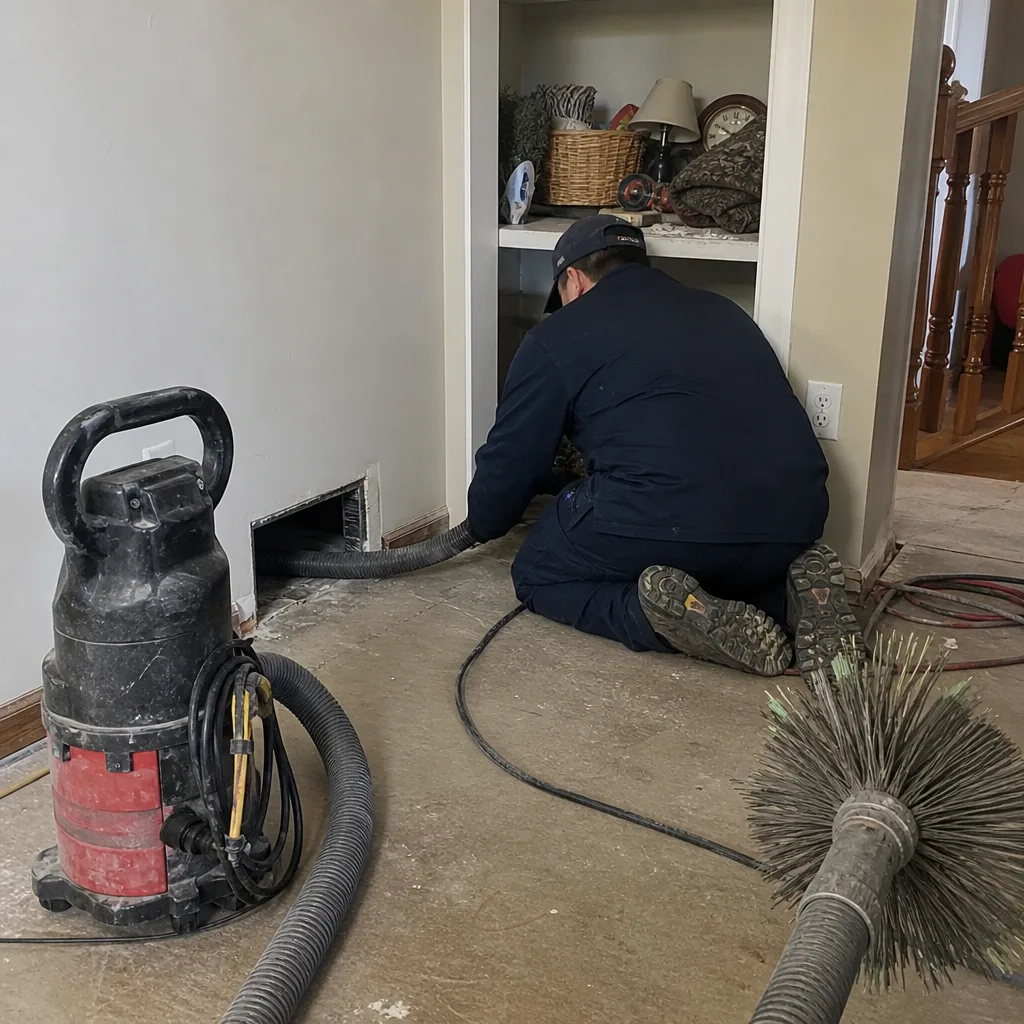 Before
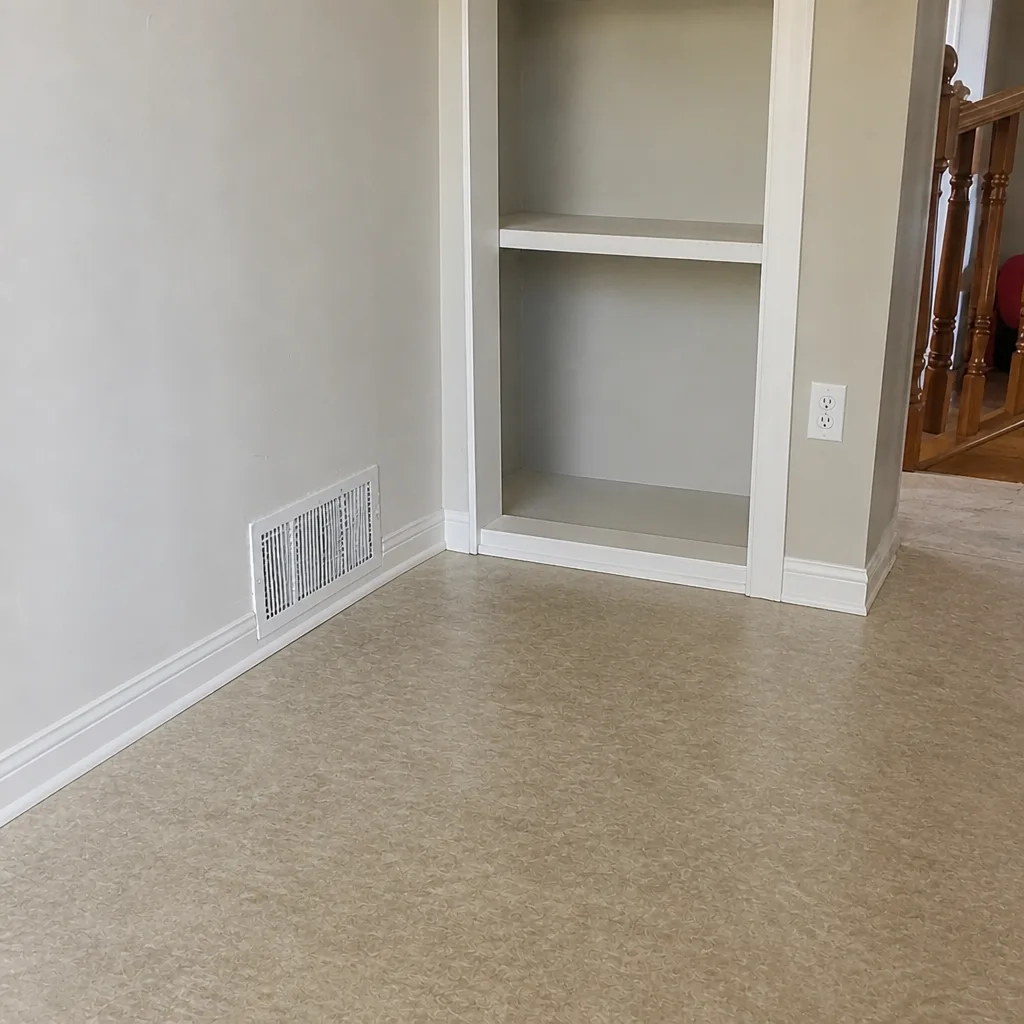 After
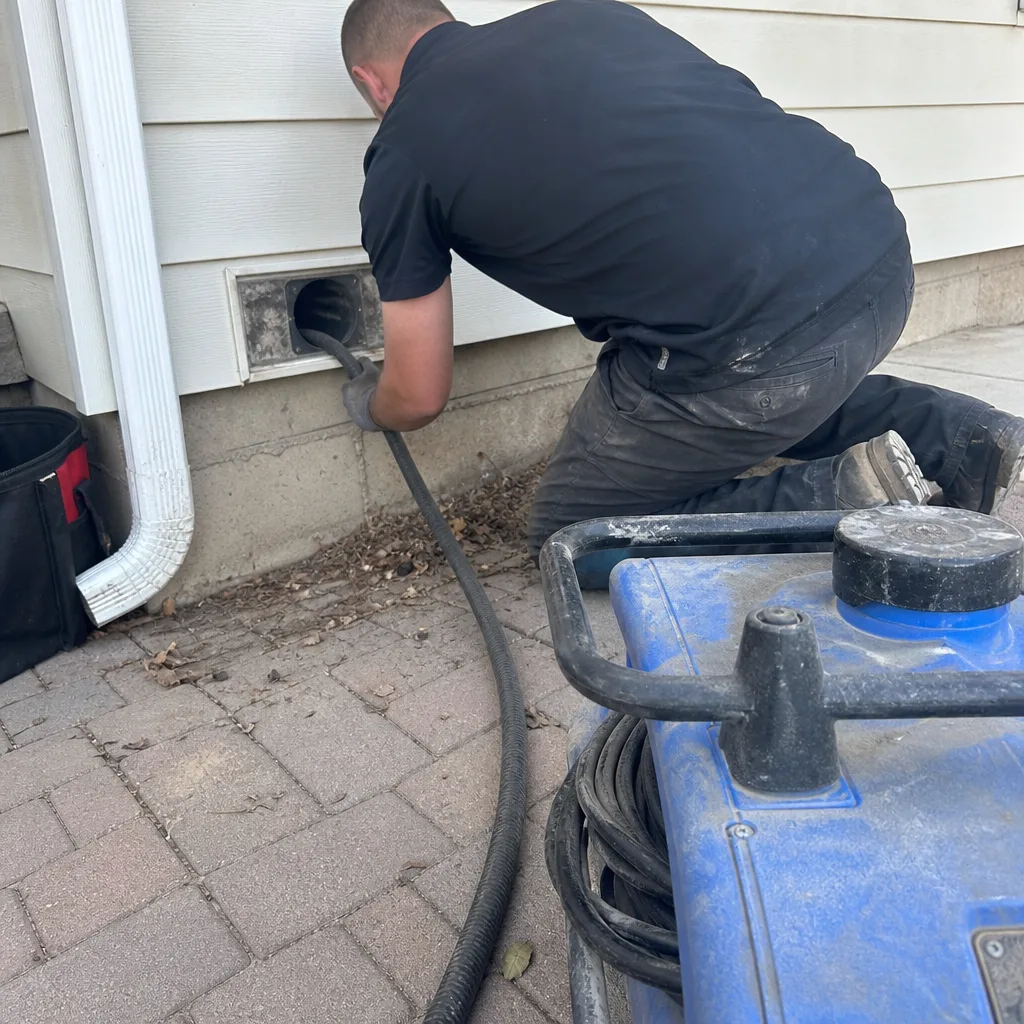 Before
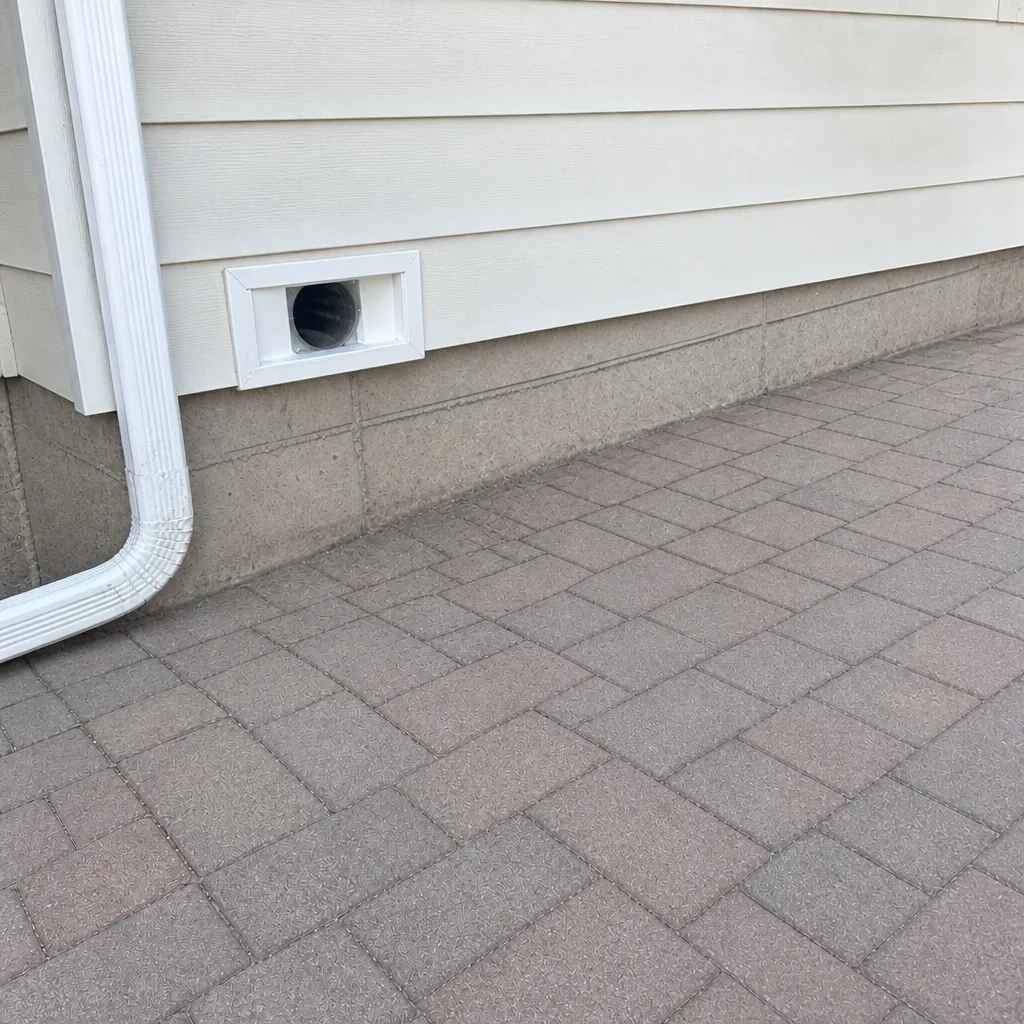 After
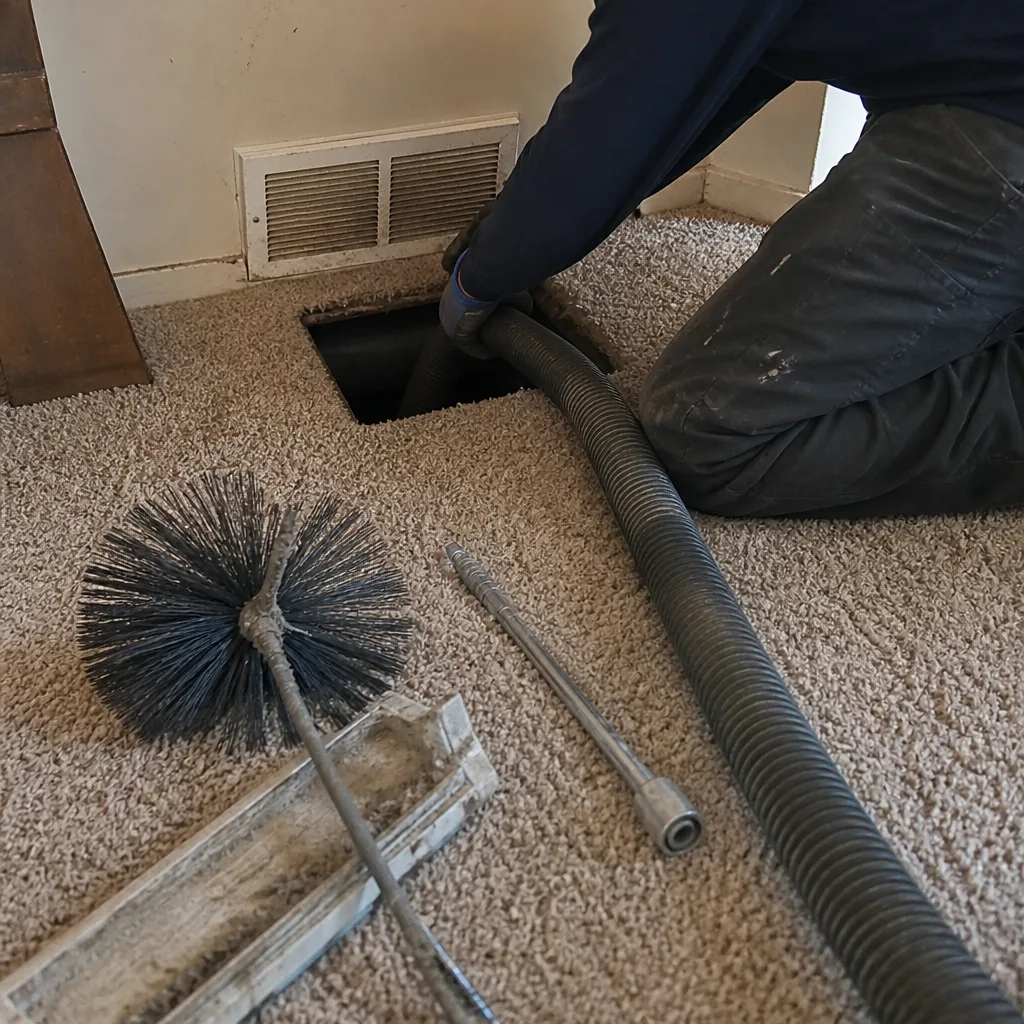 Before
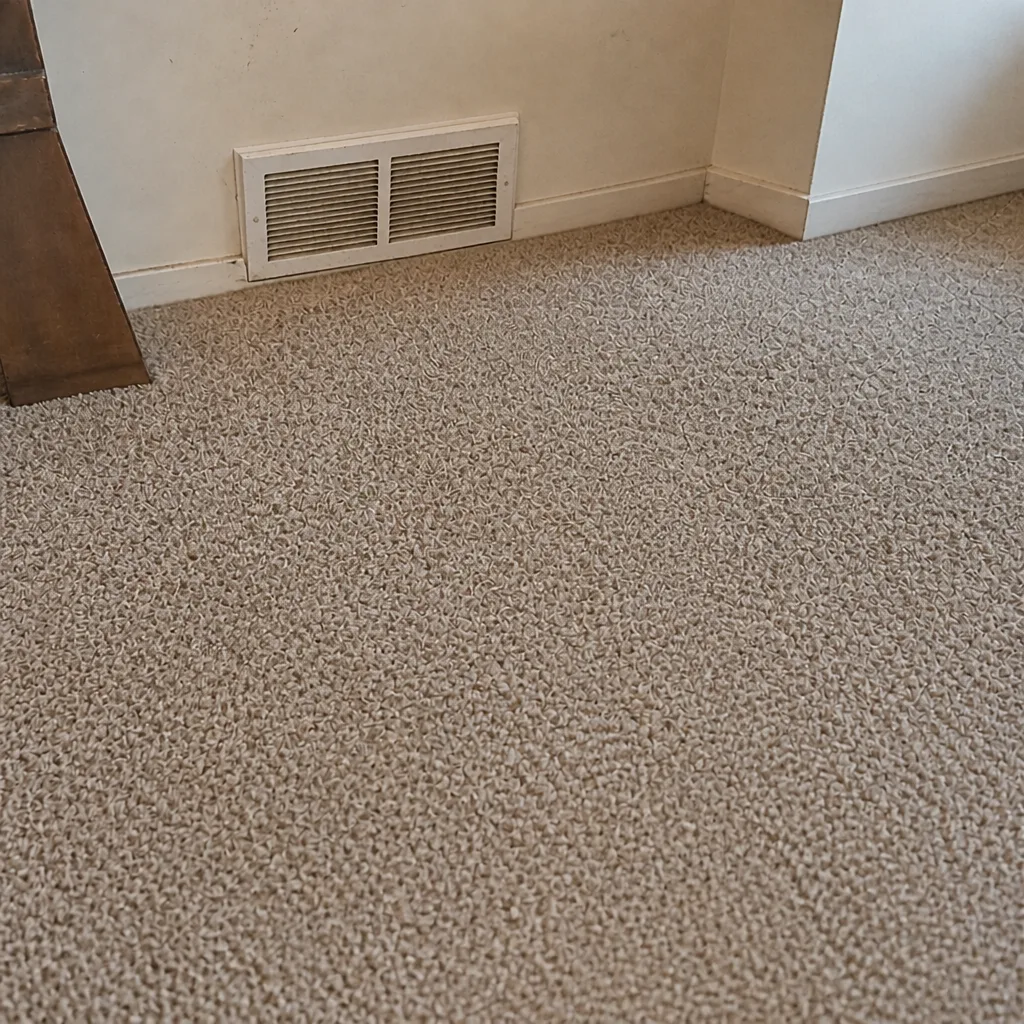 After
When to Call a Professional
Call a professional when the evidence points past cosmetic surface dust, or when the same symptom keeps returning after a filter change. Musty or acrid odors, pest evidence at a register, staining that looks wet, and repeated filter loading on a system that used to behave are all situations worth a professional look. We also recommend a professional inspection if you’re buying a home and don’t know the duct history, or if you’ve recently finished a renovation that produced a lot of airborne dust and debris.
For a real assessment rather than a guess, Tooele Air Duct Cleaning offers free estimates in Tooele, and we’ll tell you honestly whether you need cleaning, sealing, sanitizing, or none of the above. Call (855) 658-4369 to schedule a look. Our technicians have up to 9 years of experience reading exactly these signs, and we use contractor-grade equipment on every job so the containment matches the work.
Frequently Asked Questions
Yes, dark rings usually indicate airflow turbulence or leakage at the register seam, not just surface dust. The ring forms because air is escaping or eddying at that point and depositing particulate along the edge. Investigate the boot and the connection behind the grille before assuming you need whole-system cleaning.
Not always mold, but always moisture. A musty smell when the heat first runs means moisture lingered somewhere in the system through the cooling season and grew something that the heating season is now circulating. Whether it’s mold or another microbial presence needs a professional inspection to answer, and the fix starts with cleaning and sanitizing. Call (855) 658-4369 for an estimate.
There’s no single answer, because Tooele homes have different contamination profiles. Homes near the Tooele Army Depot corridor and near active farmland see particulate loading faster than homes in the middle of a subdivision. As a general guide, inspect your registers once a season and schedule cleaning when you see buildup past the first few inches or when odor shows up. A free estimate will give you a specific answer for your home.
The most likely cause is a leak or restriction in the duct run serving that room, not a thermostat issue. Air is being lost upstream or a disconnected run isn’t delivering. The fix is usually repair and sealing rather than cleaning, and a pressure check will confirm it. Call (855) 658-4369 for an estimate and we’ll tell you which it is.
Sometimes. Droppings near a register box, acrid or ammonia-like odor concentrated in one room, gnaw marks on duct sealant, and nesting material pulled into a return grille are all visible signs. If you see any of them, call a professional, because removal and sanitizing come before cleaning and the exclusion work has to follow. Call (855) 658-4369 for a free estimate and we’ll assess it properly.
Cleaning alone usually won’t move the bill much. Leakage is what drives energy loss, and that requires duct repair and sealing to address. Cleaning removes the accumulated debris, sealing stops more from coming in. Done together, they can change how the system performs. Call (855) 658-4369 and we’ll tell you honestly which combination makes sense for your home.
The Bottom Line
The warning signs are real and readable, once you know what to look for. Cosmetic dust is even and light. Dark rings, wet staining, musty or acrid odor, pest evidence, and performance complaints all point at something more specific: leakage, moisture, or intrusion. The October musty smell is the classic Tooele trigger, and it gets worse with heating-season use rather than better. If you inspect one register and one return this season, you’ll have a baseline most homeowners never bother to establish. Tooele Air Duct Cleaning can take it from there with contractor-grade equipment, and the estimate is free. Call (855) 658-4369. We answer 24/7. Fast dispatch from 7am to 7pm, Sunday through Friday.
Written by the team at Tooele Air Duct Cleaning.