
Last updated November 23, 2026
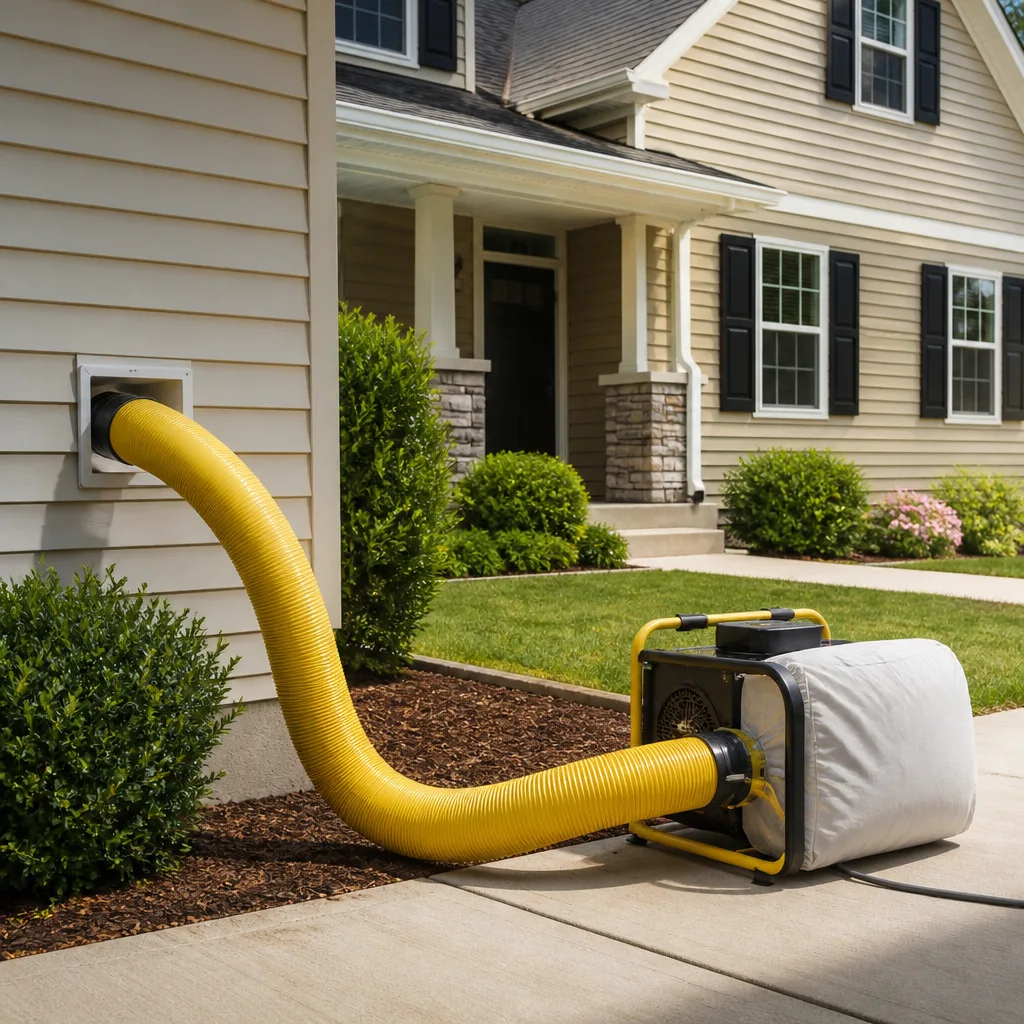 Whole-home duct cleaning
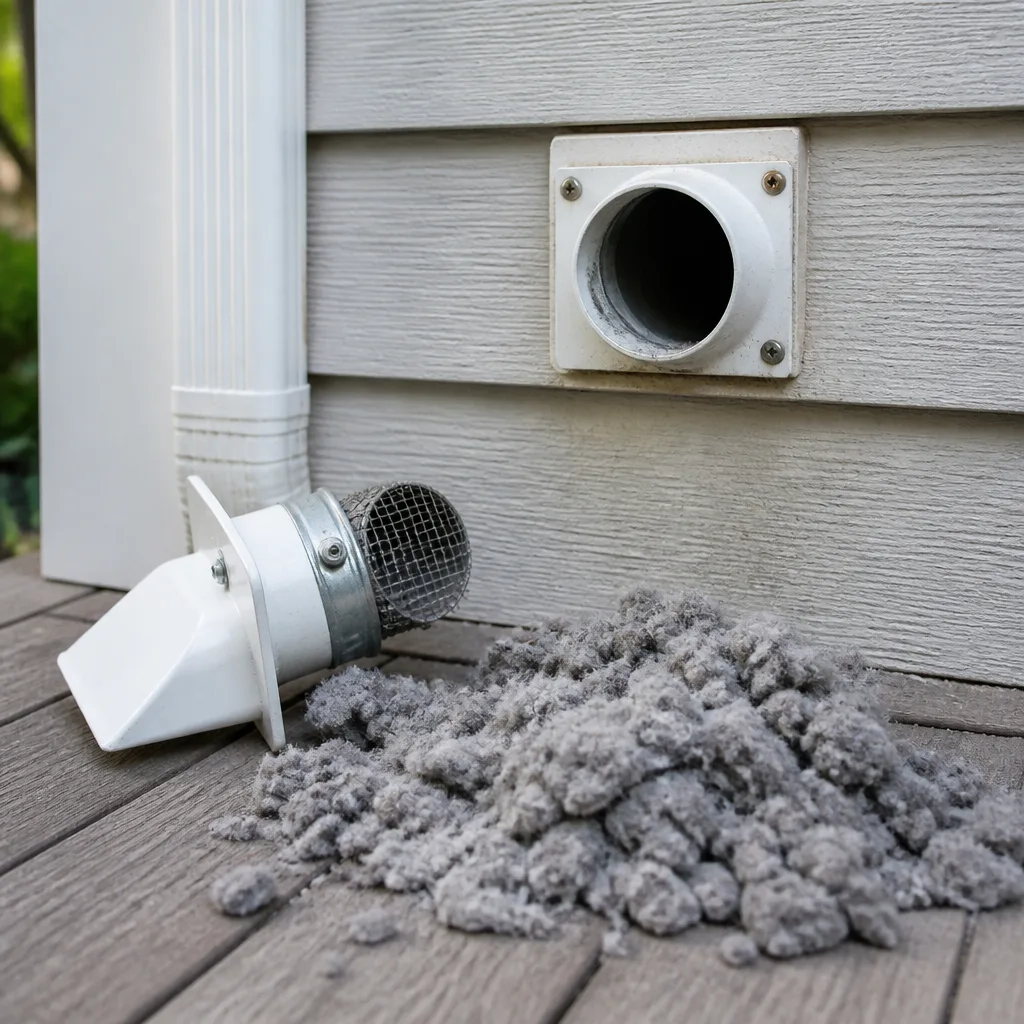 Dryer vent cleaning
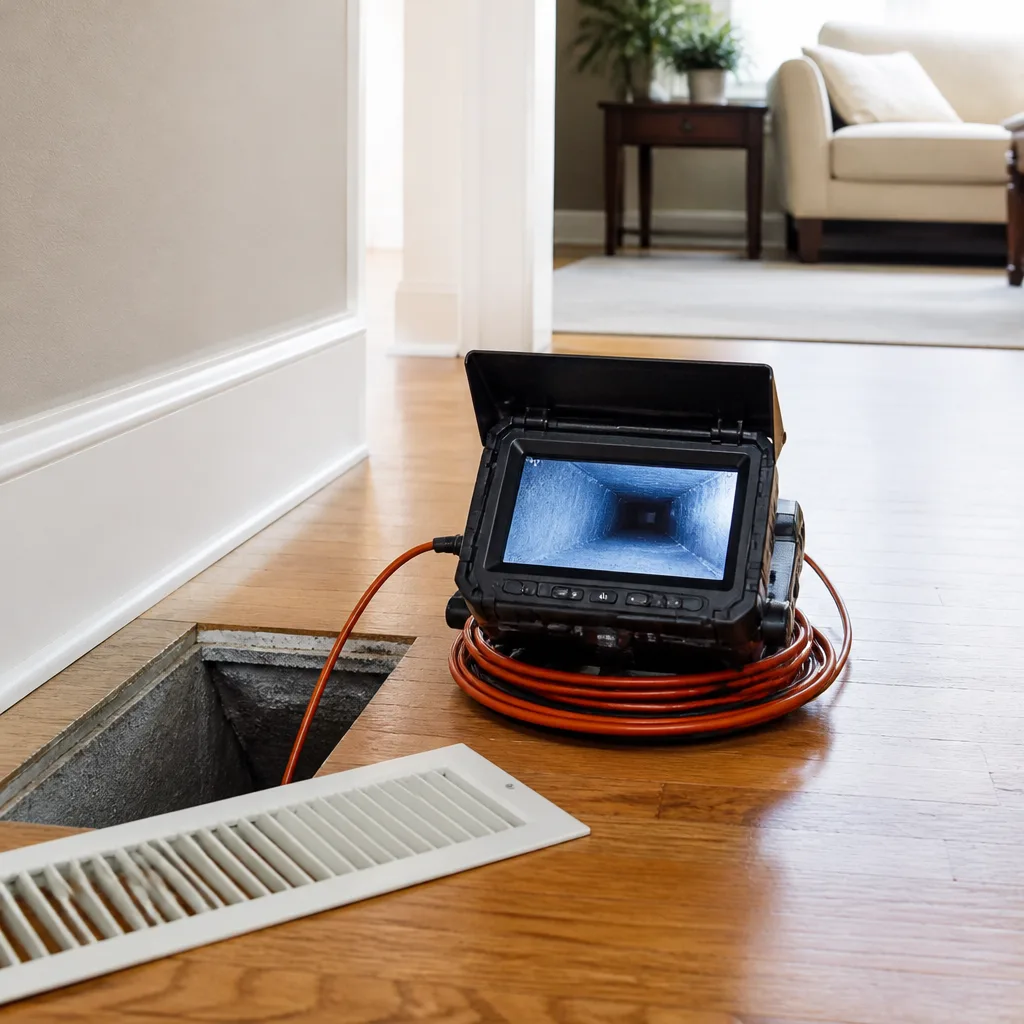 Camera inspection
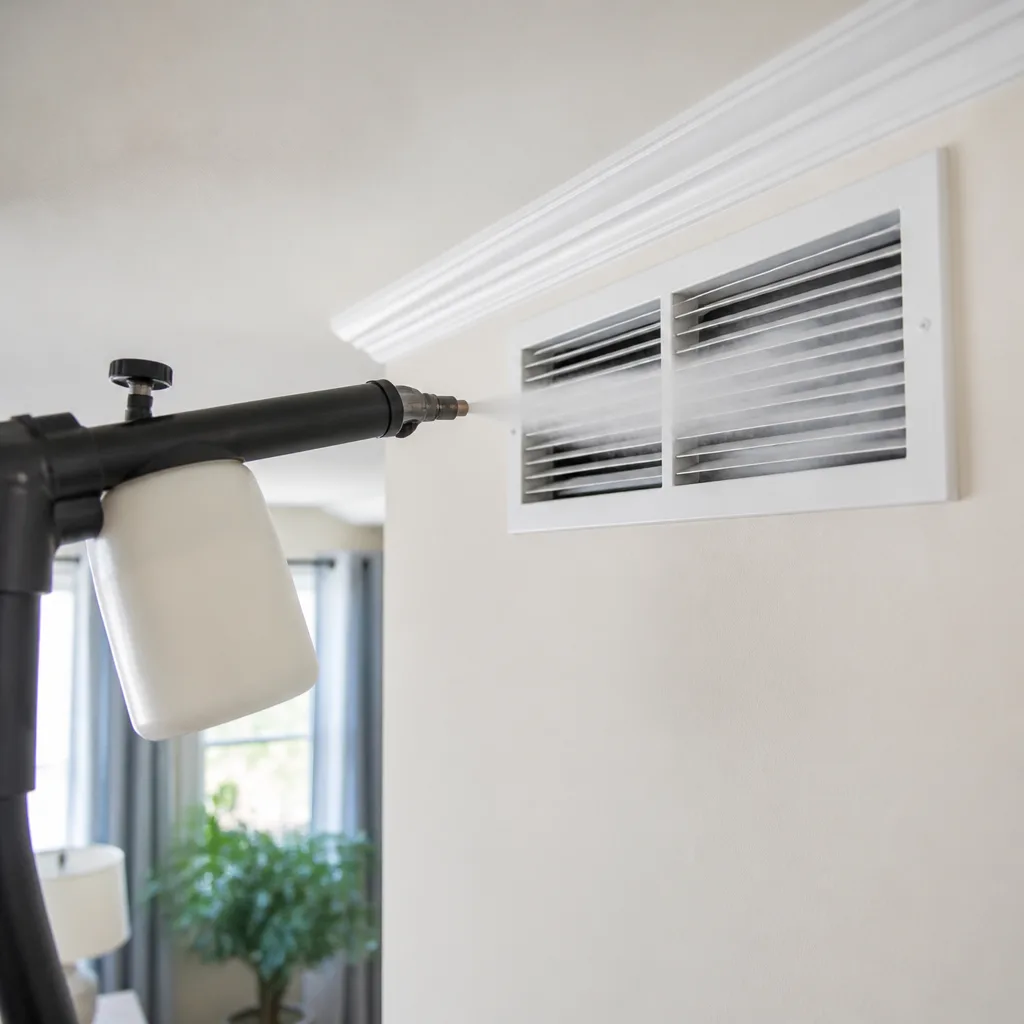 Sanitizing & deodorizing
Whole-system duct and dryer vent check with before-and-after photos - you see exactly what came out of your vents
That "$99 whole-house special" is a bait ad - the real number appears once they are in your hallway, or the "clean" is a shop-vac at the register. We photograph the inside of your ducts before and after instead.
Seasonal Air Duct Cleaning Care for Tooele: Year-Round Homeowner’s Guide
Most homeowners treat duct cleaning as a yearly checkbox, usually in spring. That’s the misconception worth correcting first. In Tooele, your ductwork faces four distinctly different contamination windows each year, and a single annual cleaning addresses only one of them. During winter inversion events, outdoor PM2.5 levels can climb into unhealthy ranges for days at a time, and every hour your HVAC runs in recirculation mode that particulate loads your filter, your coil, and eventually your duct lining in ways a spring cleaning alone can’t reverse. This guide maps each Tooele season to specific inspection and maintenance actions, so you know what to check, what to leave to a technician, and when cleaning is actually warranted.
Quick Answer
Seasonal air duct care in Tooele means matching your maintenance to what’s actually entering the system: wildfire smoke in summer, HVAC startup residue in fall, inversion particulate in winter, and pollen plus construction silica dust in spring. The minimum routine is a filter change and register check at each seasonal changeover, with professional cleaning when you see heavy dust at registers, musty odors, or visible buildup past the boot. One annual cleaning does not cover all four windows.
Styles & brands we work with
- Whole-home duct cleaning
- Dryer vent cleaning
- Camera inspection
- Sanitizing & deodorizing
Table of Contents
- Why Tooele Has Four Separate Duct Contamination Windows
- Summer: Wildfire Smoke Loading and What It Does to Your System
- Fall: Heating Startup Residue and the Changeover Checklist
- Winter: Inversion Particulate and Recirculation Habits
- Spring: Pollen, Construction Dust, and Protecting the Ducts
- Outdoor Air Intake Dampers: When Closing Them Makes Sense
- What You Can Inspect Each Season vs. When to Call a Pro
- Pre-Season Startup Checklists for Tooele’s Climate Range
Why Tooele Has Four Separate Duct Contamination Windows
Tooele sits in a valley with a climate range that produces four genuinely different air quality conditions through the year, and each one loads your ductwork differently. Summer brings wildfire smoke from regional fires, and that smoke is fine particulate that passes through standard filters more easily than you’d expect. Fall is the heating changeover, when a furnace that sat idle for months pushes its first heated air through ductwork that’s been collecting dust since spring. Winter means inversion events, where cold air trapped under a warmer layer holds particulate close to the ground for days. Spring brings both pollen and, increasingly, construction dust from the residential development reshaping large parts of the Tooele Valley.
Those four conditions don’t just differ in timing. They deposit different things in different places. Smoke particulate settles fine and travels deep, coating coil fins and the inner duct lining. Construction dust is heavier and coarser, and it drops out closer to the intakes and boots. Pollen is sticky and clings. Heating residue is a mix of dust and whatever the standing ductwork accumulated while the system was idle. If your cleaning schedule only targets one of these, you’re leaving the other three in the system through the months they matter most.
The way we think about it: your HVAC system works harder when your ducts leak or clog, and it works hardest in the season the contamination matches. A Tooele home that gets cleaned in March is carrying a full summer’s smoke load by September and a winter’s inversion particulate by February. Spacing inspection and cleaning to the actual contamination calendar is the whole point of this guide.
Summer: Wildfire Smoke Loading and What It Does to Your System
Wildfire smoke is the summer contamination driver in Tooele, and it’s deceptive because you often can’t smell it indoors. Smoke particulate that enters through an open window, a loose return, or a running fresh-air intake gets pulled into the return side and pushed through the filter. What the filter doesn’t catch lands on the evaporator coil, the blower wheel, and the duct lining. Over a smoke-heavy summer, that adds up quietly.
Here’s what we look for after a smoke season:
- Coil fouling: fine smoke particulate mixed with normal household dust forms a mat on the evaporator fins, which cuts cooling efficiency and can produce a musty smell when the system runs.
- Blower wheel imbalance: a dust-loaded blower wheel moves less air and runs louder.
- Duct lining staining: the inner surface of flex duct picks up a gray film that’s a sign the filter is being bypassed or overloaded.
- Filter loading rate: if your filter is gray and saturated in three or four weeks during smoke events, the system is working through more particulate than the filter can hold.
During heavy smoke days, the practical move is to keep windows closed, run the system on fan-only or recirculation to keep air moving through the filter, and change the filter more often than your normal interval. Don’t close every return vent trying to “trap” the smoke, because that starves airflow and stresses the blower. After the smoke clears, a professional inspection is worth it if the system ran hard through a long event and you’re seeing dust at registers or a smell when the fan kicks on. That’s also a good time to review air duct cleaning options rather than waiting for the spring cleaning window.
Fall: Heating Startup Residue and the Changeover Checklist
The first heating startup of the season is when a lot of Tooele homeowners notice a burnt-dust smell and assume something is wrong. Usually it’s the standing dust in the heat exchanger and ductwork burning off. That smell is a signal, though: it tells you what accumulated during the cooling season, and if it lingers past the first run or two, the ductwork is loaded enough to warrant attention.
Fall is also the best window to inspect the whole air pathway before the system runs hard for months. Clean ducts are only half the job; the other half is finding where the system is leaking or pulling in unfiltered air before winter locks everything down. A changeover inspection should cover:
- Filter condition and fit, including whether the filter is seated properly in its frame with no gaps around the edges.
- Return and supply register condition, looking for dust streaks, loose grilles, or gaps at the boot.
- Visible duct joints at accessible runs, especially in the garage, crawlspace, and attic, where leaks are most common.
- Any musty or dusty odor when the heat first comes on, and whether it fades within a few cycles.
- The blower compartment and coil, if accessible, for visible dust matting.
If your fall inspection turns up significant buildup, this is when a full cleaning makes sense, before the winter recirculation season pushes it deeper. It’s also the right time to think about duct repair and sealing, because the same leaks that let heated air escape in winter pull unfiltered attic or crawlspace air in year-round. Our HVAC cleaning service covers that pathway from intake to exhaust.
Winter: Inversion Particulate and Recirculation Habits
Winter inversion events are the Tooele season that most directly affects indoor air. When a cold layer traps warmer air above the valley, particulate from vehicles, wood smoke, and industry sits close to the ground for days. Your HVAC runs in recirculation mode trying to keep the house warm, and that means it’s pulling particulate in through the return, loading the filter, and pushing what the filter misses through the system and into the duct lining.
The winter habits that matter most:
- Filter replacement frequency: during a multi-day inversion, your filter can load faster than your normal interval. Check it visually mid-season, not just at the start.
- Keep the fan running on low or auto: running the fan continuously circulates air through the filter and helps with filtration, but it also moves more particulate into the system. Balance this against your filter’s capacity.
- Don’t rely on closing windows alone: infiltration through gaps around doors and the fresh-air intake still brings particulate in.
- Watch for the smell: a smoky or dusty odor when the heat runs during an inversion is a sign the system is holding particulate in the coil or duct lining.
By February, a Tooele home that went into winter with clean ducts has a full inversion season’s particulate load. If you’re seeing dust streaks at supply registers, a persistent smell, or allergy-type symptoms that worsen indoors during inversions, that’s when a professional inspection and cleaning pay for themselves. Sanitizing after mechanical cleaning, using Guardsman-grade products, addresses microbial growth and odor that particulate loading can leave behind.
Spring: Pollen, Construction Dust, and Protecting the Ducts
Spring in Tooele brings two contamination sources at once: pollen from the surrounding landscape, and construction dust from the residential development reshaping wide areas of the valley. Grading and framing release heavy silica dust that can travel well beyond the site, and if you live near an active build, that dust finds its way into attics, crawlspaces, and any duct joint that isn’t tight.
Protecting your ductwork during construction season is mostly about the envelope around the system:
- Seal accessible duct joints and boots before grading or framing starts nearby, so dust can’t pull in at gaps.
- Keep attic and crawlspace access closed and sealed during heavy site work, since those spaces are where ductwork is most exposed.
- Change filters more frequently near active sites, and don’t ignore a filter that loads in half the normal time.
- Check return registers weekly during grading, when silica dust drives highest.
- Avoid opening windows on high-wind construction days when the site is upwind of your home.
Pollen adds a different problem because it’s sticky and clings to coil fins and filter media. A spring cleaning that addresses both pollen and construction dust is more effective than a summer cleaning after both have been circulating for months. If you’re near an active build and want a containment-focused cleaning, our team uses Abatement Technologies negative-air tools during service to keep loosened debris in the ducts rather than in your living space.
Outdoor Air Intake Dampers: When Closing Them Makes Sense
If your home has a fresh-air intake damper, it’s a lever with real seasonal consequences. It’s designed to bring outdoor air into the return, which is fine on a clean spring day and a liability during a wildfire smoke event or a winter inversion. Understanding when to close it is one of the simplest seasonal air quality controls a Tooele homeowner has.
Closing the damper makes sense during:
- Wildfire smoke events, when outdoor PM2.5 is elevated and you’re keeping windows shut.
- Winter inversion days, when particulate is trapped at ground level.
- Active grading or demolition near your home, when silica dust is driving.
Reopen it when outdoor air is clean again, and don’t leave it closed permanently. A closed fresh-air damper over months can lead to stale indoor air, elevated humidity, and in tightly built homes a buildup of indoor pollutants the intake was designed to dilute. Check the damper at each seasonal changeover, and if you’re not sure whether your system has one or how it’s controlled, that’s a question for a technician during an inspection.
What You Can Inspect Each Season vs. When to Call a Pro
There’s a clear line between what a homeowner can reasonably check and what requires equipment and access. Knowing that line keeps you from either ignoring a real problem or paying for cleaning you don’t need.
What you can do yourself each season
- Remove supply and return register grilles and look inside with a flashlight. Visible dust coating the boot and the first stretch of duct is normal between cleanings; a thick mat of buildup is not.
- Change or clean the filter at each changeover, and check it mid-season during smoke or inversion events.
- Watch for dust streaks at registers, which indicate a leak or heavy load.
- Note any smell when the system starts, and whether it fades or persists.
- Check the outdoor damper position if you have one.
When to call a professional
- Visible buildup extends well past the boot and you can see it from the register.
- A musty or smoky smell persists after the first few cycles of a new season.
- You’ve been through a heavy smoke season, a long inversion winter, or live near active construction and haven’t had the system cleaned.
- Allergy-type symptoms worsen indoors and track with your HVAC running.
- You’ve never had the system cleaned and you’ve owned the home a while, so the baseline is unknown.
Professional equipment matters here. Contractor-grade systems like Rotobrush and Nikro use rotary brushes and negative-air collection rather than the blow-and-go methods that can push dust further into the system. If you’re deciding between a cheap coupon and a process-driven cleaning, the equipment difference is the reason.
Pre-Season Startup Checklists for Tooele’s Climate Range
Two changeovers matter in Tooele’s climate: the spring switch to cooling and the fall switch to heating. Each has its own checklist, and each is the best window to catch problems before the season runs hard.
Cooling season startup (spring)
- Replace the filter and confirm it’s seated with no gaps.
- Check supply and return registers for dust streaks and clean the grilles.
- Walk the accessible duct runs in the attic and crawlspace for disconnected joints or crushed flex.
- Confirm the outdoor damper is open and unobstructed.
- Run the system and note any odor or unusual noise at startup.
- If you’re near active construction, plan a filter check every few weeks through grading season.
Heating season startup (fall)
- Replace the filter before the first heat run.
- Expect a light burnt-dust smell on the first run; note if it persists.
- Inspect accessible duct joints for leaks before the system runs hard, since heated air escapes and unfiltered air pulls in at the same gaps.
- Check the return side for dust buildup that accumulated during the cooling season.
- Confirm the damper position for the coming winter.
- If the system hasn’t been cleaned in over a year and you had a smoke or construction season, book an inspection before winter.
These checklists are about inspection, not repair. Anything involving the heat exchanger, electrical components, or gas connections should go to a trained professional; a real expert flags that boundary for a reason.
Common Mistakes to Avoid
- Cleaning only once a year in spring. That schedule addresses pollen and dust but leaves summer smoke and winter inversion particulate in the system through the seasons they matter most.
- Trying to trap smoke by closing every return. Starving the return strains the blower and reduces filtration. Keep the returns open and let the filter do its job.
- Ignoring the outdoor damper during smoke and inversion events. Leaving a fresh-air intake open when outdoor particulate is high pulls contamination directly into the system.
- Using consumer-grade vacuums or shop vacs for “cleaning.” Those tools can’t collect the fine particulate and often just redistribute it. Contractor-grade equipment with negative-air containment is what keeps the job in the ducts.
- Skipping the mid-season filter check. During a heavy smoke or inversion stretch, a filter can load well before its normal interval, and a saturated filter bypasses particulate into the coil and duct lining.
- Cleaning without addressing leaks. A duct system that leaks will reload quickly. Sealing accessible joints after cleaning keeps the result from being undone by the next season.
- Treating musty odors as cosmetic. A persistent smell after the system starts often means microbial growth that needs sanitizing after mechanical cleaning, not just an air freshener.
See the difference
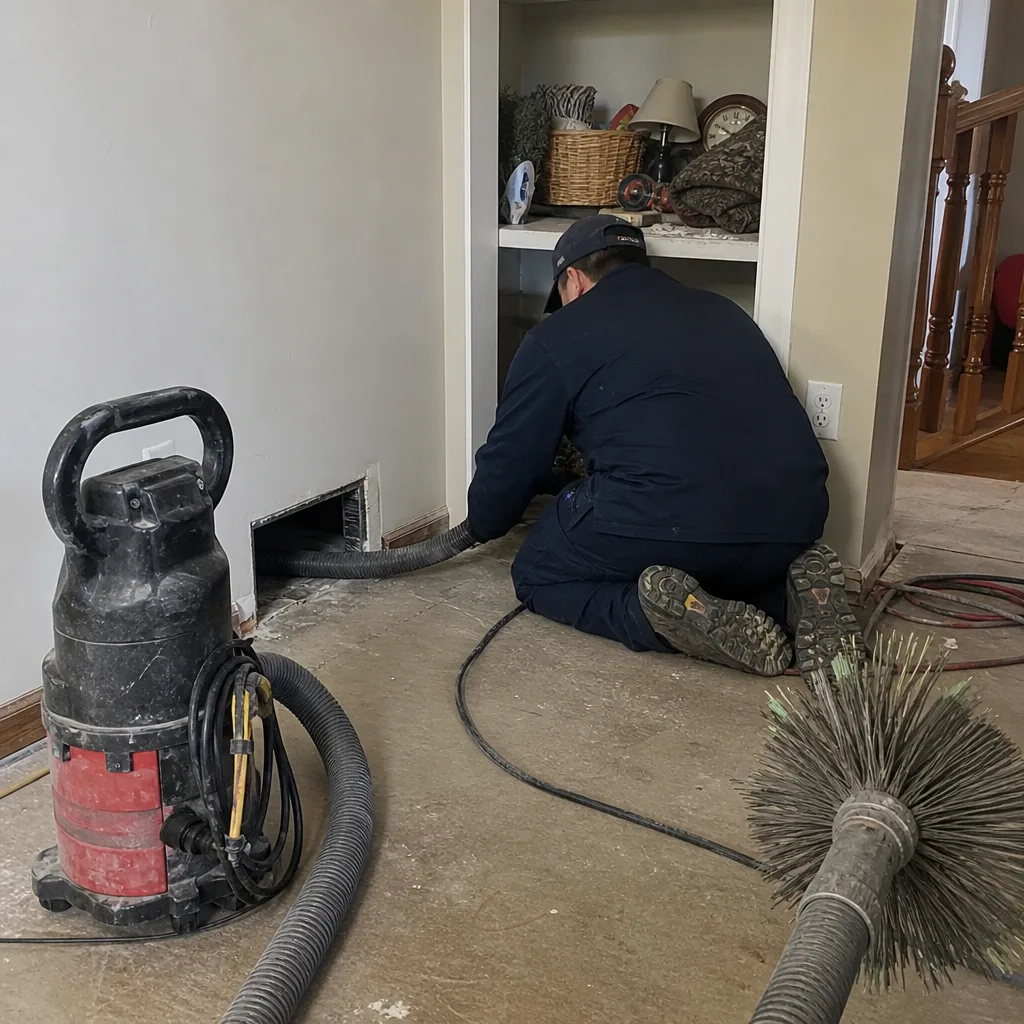 Before
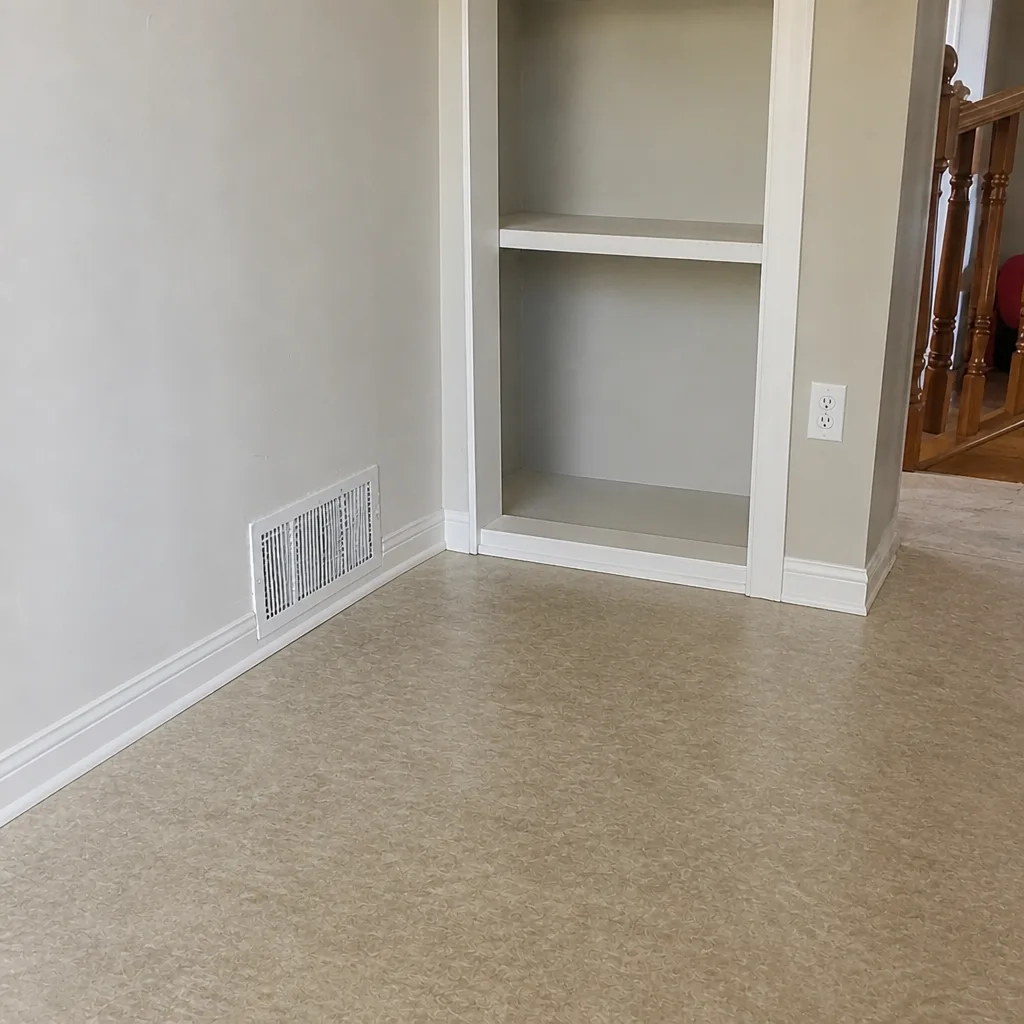 After
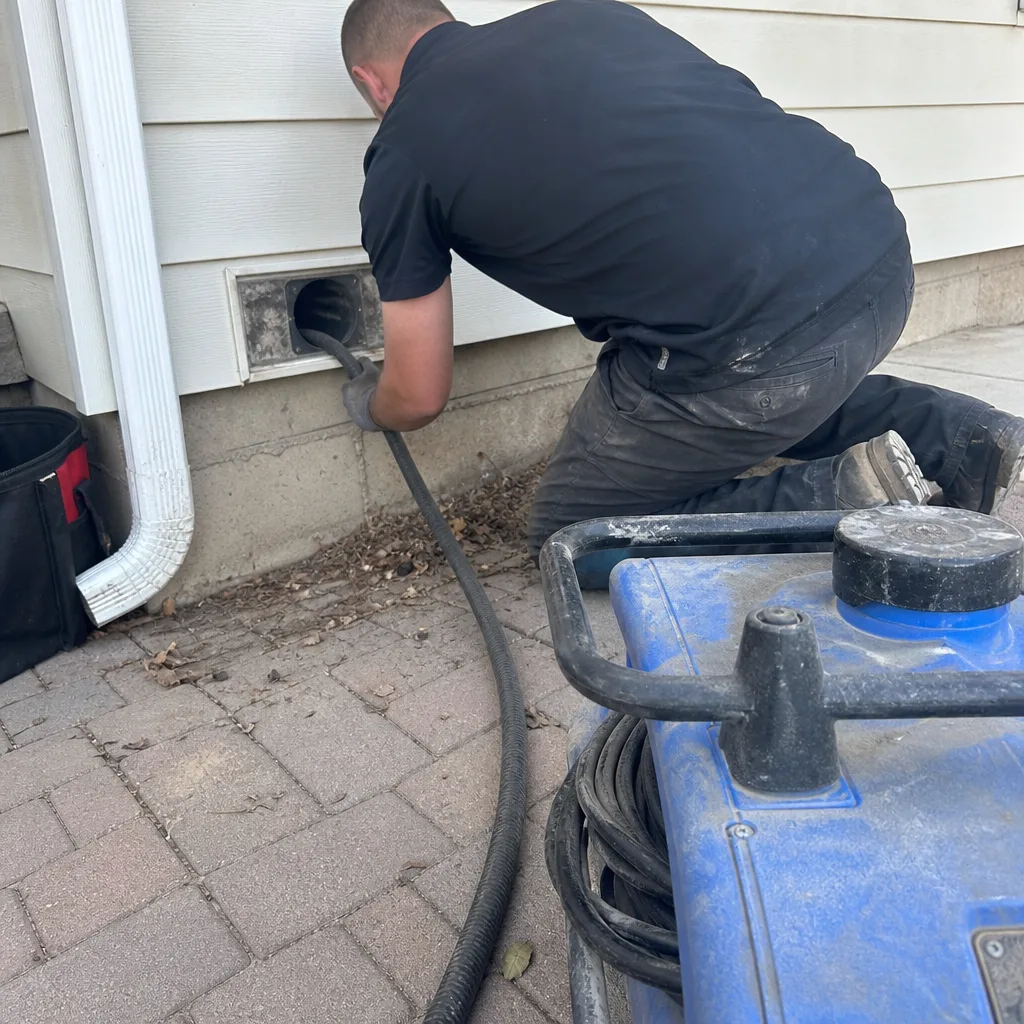 Before
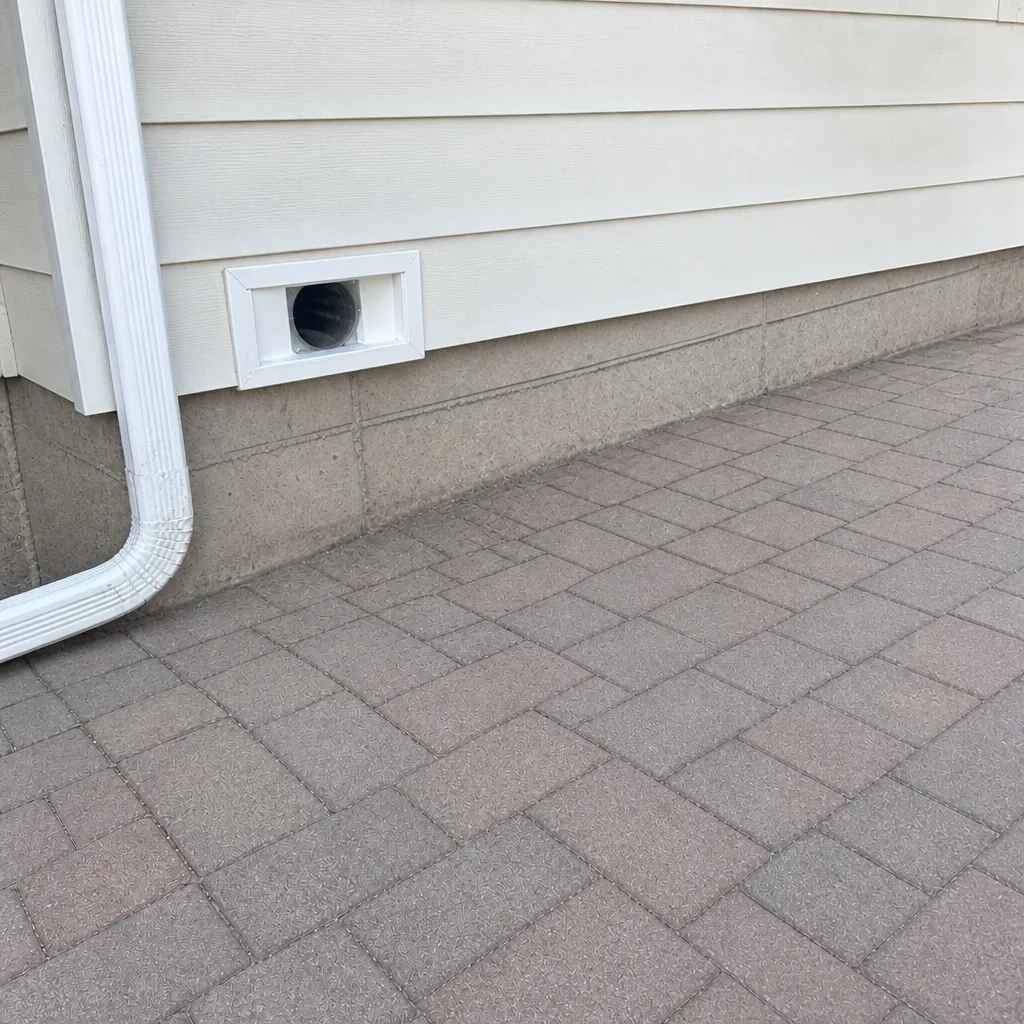 After
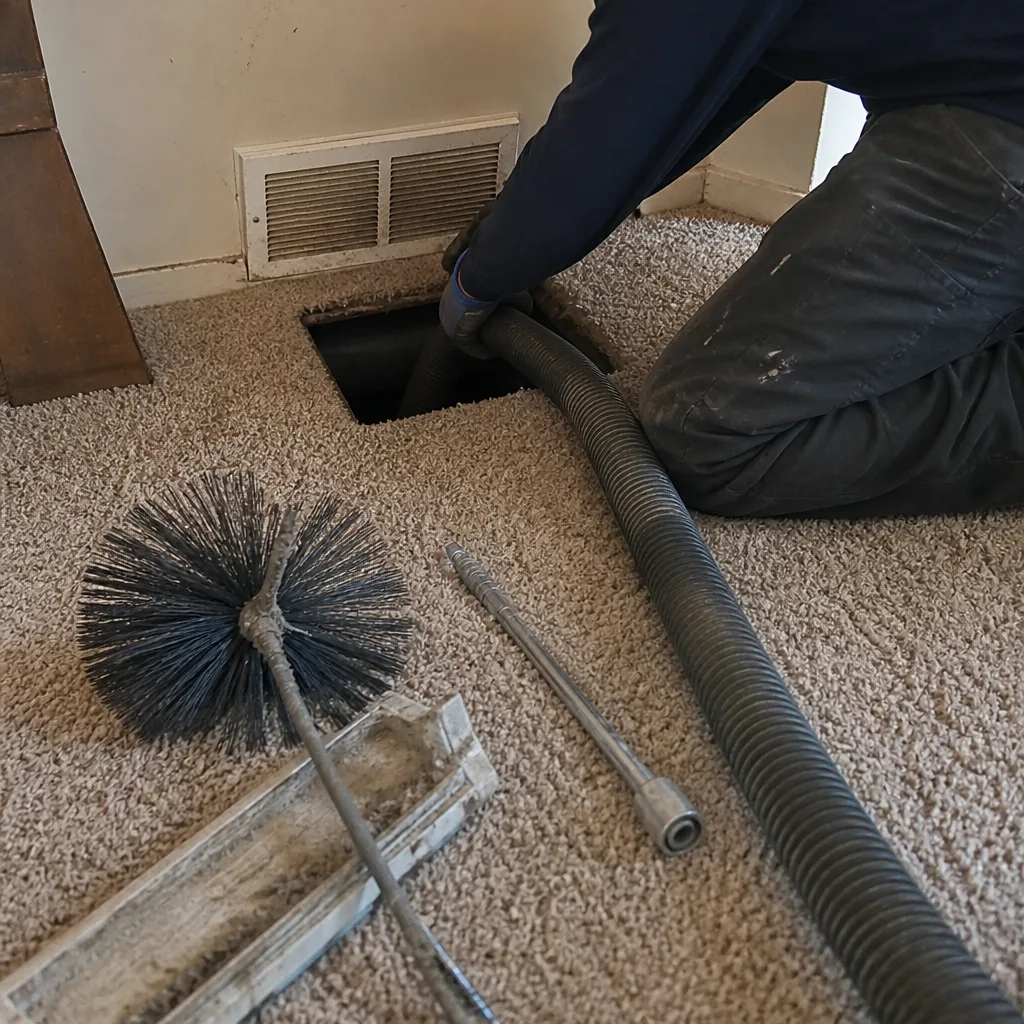 Before
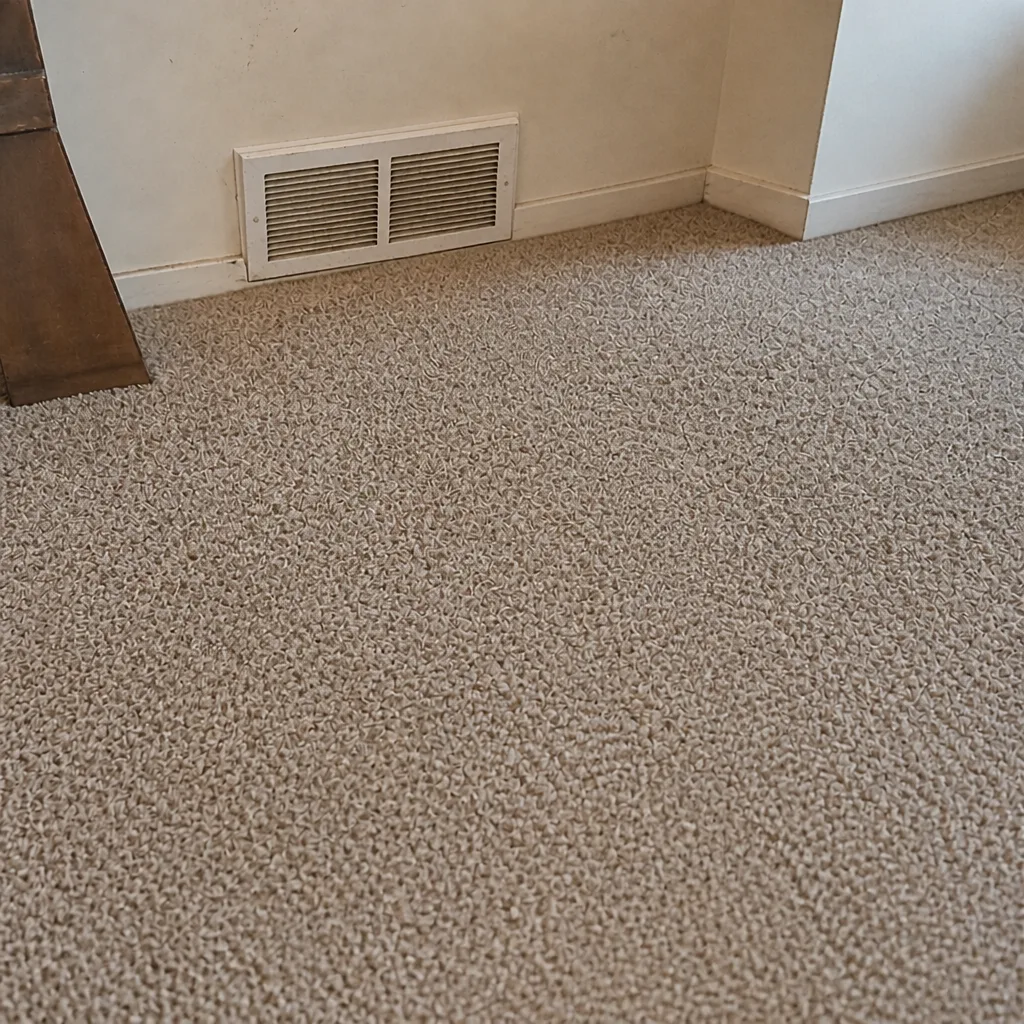 After
When to Call a Professional
Some situations call for a technician rather than a homeowner inspection. If you’ve been through a heavy wildfire smoke season and your system ran hard, if a winter inversion left a persistent smell or dust streaks at registers, if you live near active construction and haven’t had the system cleaned, or if allergy symptoms worsen indoors and track with your HVAC running, professional cleaning is warranted. The same applies if you’ve never had the system cleaned and don’t know the baseline, or if your own inspection shows buildup well past the boot. Tooele Air Duct Cleaning offers free estimates in Tooele. Call (855) 658-4369.
Frequently Asked Questions
Most Tooele homes do well with cleaning once every two to three years plus a seasonal inspection routine, but the smoke, inversion, and construction seasons here can justify a professional cleaning sooner if you’ve been through a heavy event. The right interval depends on your system load, whether you have pets, and how close you are to active construction. Call (855) 658-4369 for an exact quote based on your home. Estimates are free.
Yes. Wildfire smoke particulate enters through open windows, loose returns, and running fresh-air intakes, and what the filter misses lands on the coil and duct lining. A smoke-heavy summer leaves a real load in the system by fall. If your system ran hard through a long smoke event, an inspection is worth it. Call (855) 658-4369 for a free estimate.
Closing the fresh-air intake damper during a winter inversion or a wildfire smoke event limits how much particulate enters the return, and it makes sense while outdoor air is poor. Reopen it when air quality recovers. Don’t leave it closed permanently, because the intake exists to dilute indoor pollutants. If you’re unsure how your damper is controlled, call (855) 658-4369.
Air duct cleaning in Tooele is priced per whole system based on size, number of registers, and condition, and the written estimate sets the final price before work starts. We don’t price per vent and we don’t run a coupon that turns into a larger invoice on site. Call (855) 658-4369 for an exact quote. Estimates are free.
Cheap quotes usually reflect consumer-grade equipment, blow-and-go methods, or per-vent pricing designed to grow once the technician is on site. Contractor-grade systems like Rotobrush and Nikro, with negative-air containment like Abatement Technologies units, cost more to run and do a different job. If a quote seems too low to include real equipment, ask what they’ll use. Call (855) 658-4369 to compare.
Before-and-after photos of your own ducts are the simplest verification, and any technician doing real work should be able to show you the system before and after. Ask to see the register and boot condition and the inside of an accessible duct run. With Tooele Air Duct Cleaning, we document the system so you can see what changed. Call (855) 658-4369 for a free estimate.
The Bottom Line
Tooele’s four seasons load your ductwork in four different ways, and one annual cleaning doesn’t cover them. Summer smoke settles deep in the coil and lining. Fall is your best window to inspect the whole pathway before winter runs hard. Winter inversion particulate loads your filter and duct lining through months of recirculation. Spring brings pollen and construction dust that reward an earlier cleaning. The minimum routine is a filter check and register inspection at each changeover, with professional cleaning when buildup, odor, or symptoms point to a real load. Match your maintenance to what’s actually entering the system, and the whole pathway stays cleaner year-round. Call (855) 658-4369 for a free estimate. We answer 24/7. Fast dispatch from 7am to 7pm, Sunday through Friday.
Ready to get your Tooele home’s air pathway checked for the season ahead? Start with Tooele Air Duct Cleaning for a free estimate, add dryer vent cleaning if your dryer is running long, and ask about our duct repair and sealing options to keep the next season from undoing the work. Call (855) 658-4369. We answer 24/7. Fast dispatch from 7am to 7pm, Sunday through Friday.
Written by the team at Tooele Air Duct Cleaning.