
Last updated November 23, 2026
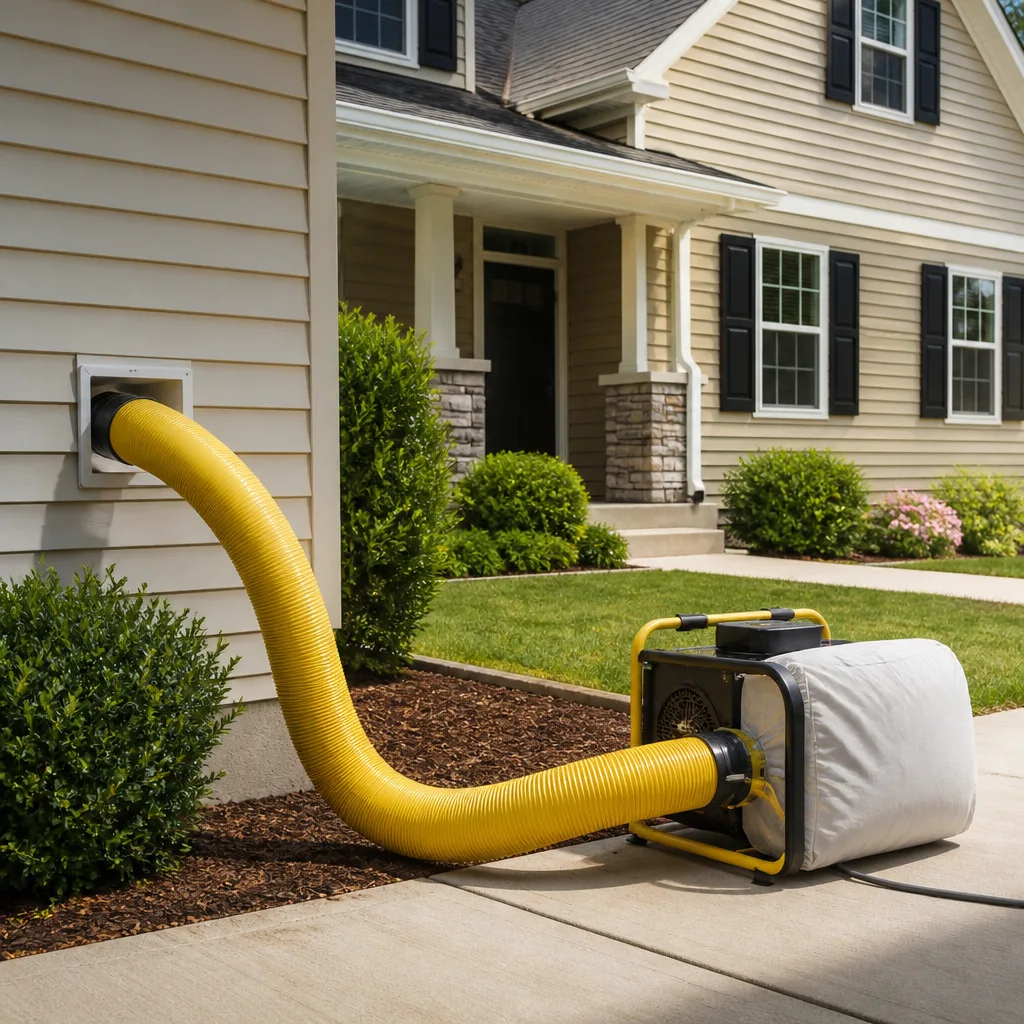 Whole-home duct cleaning
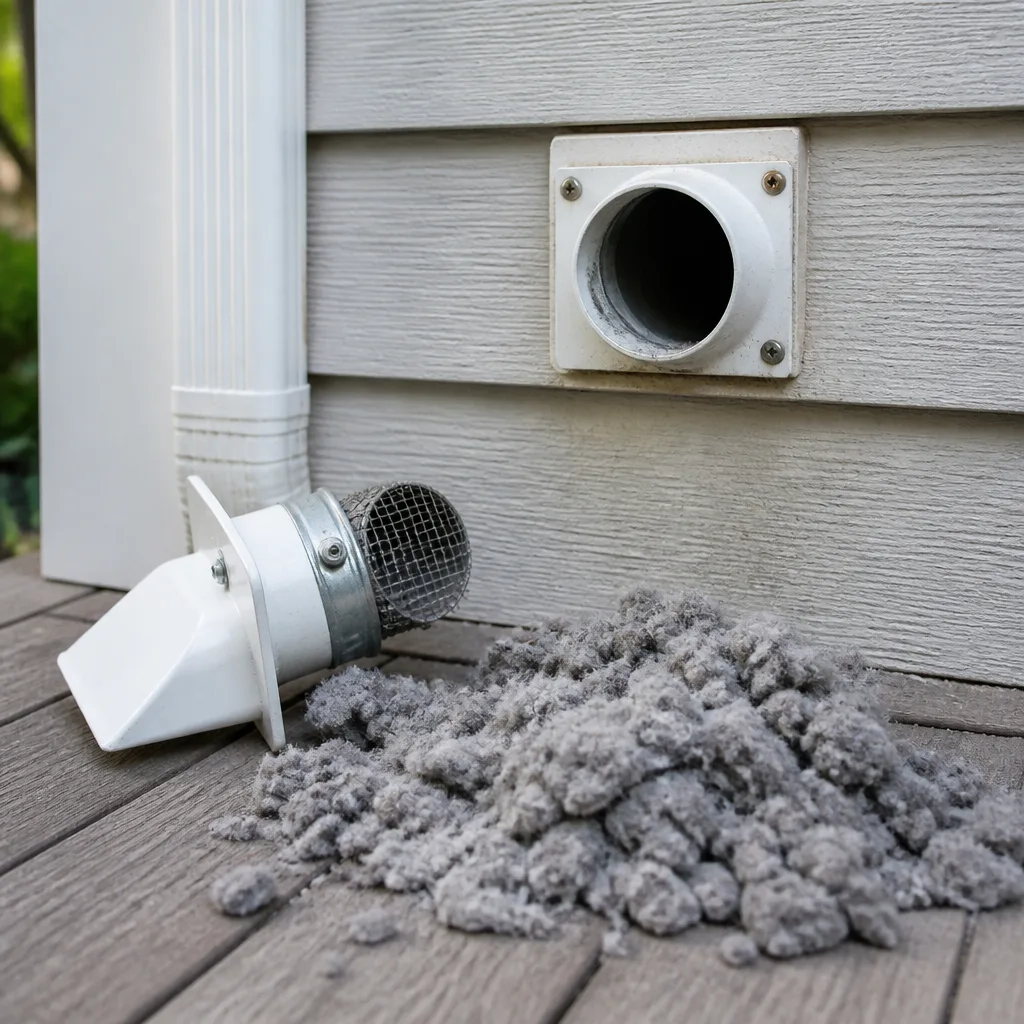 Dryer vent cleaning
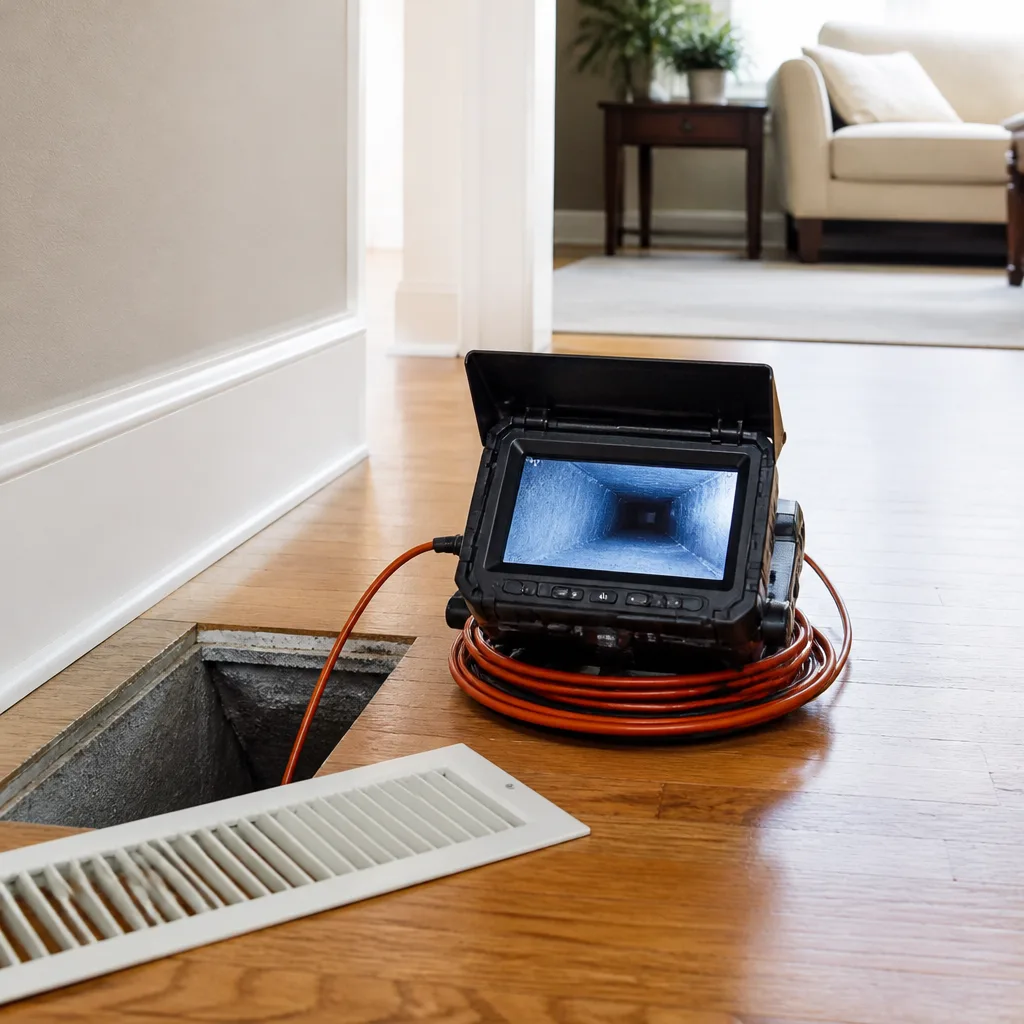 Camera inspection
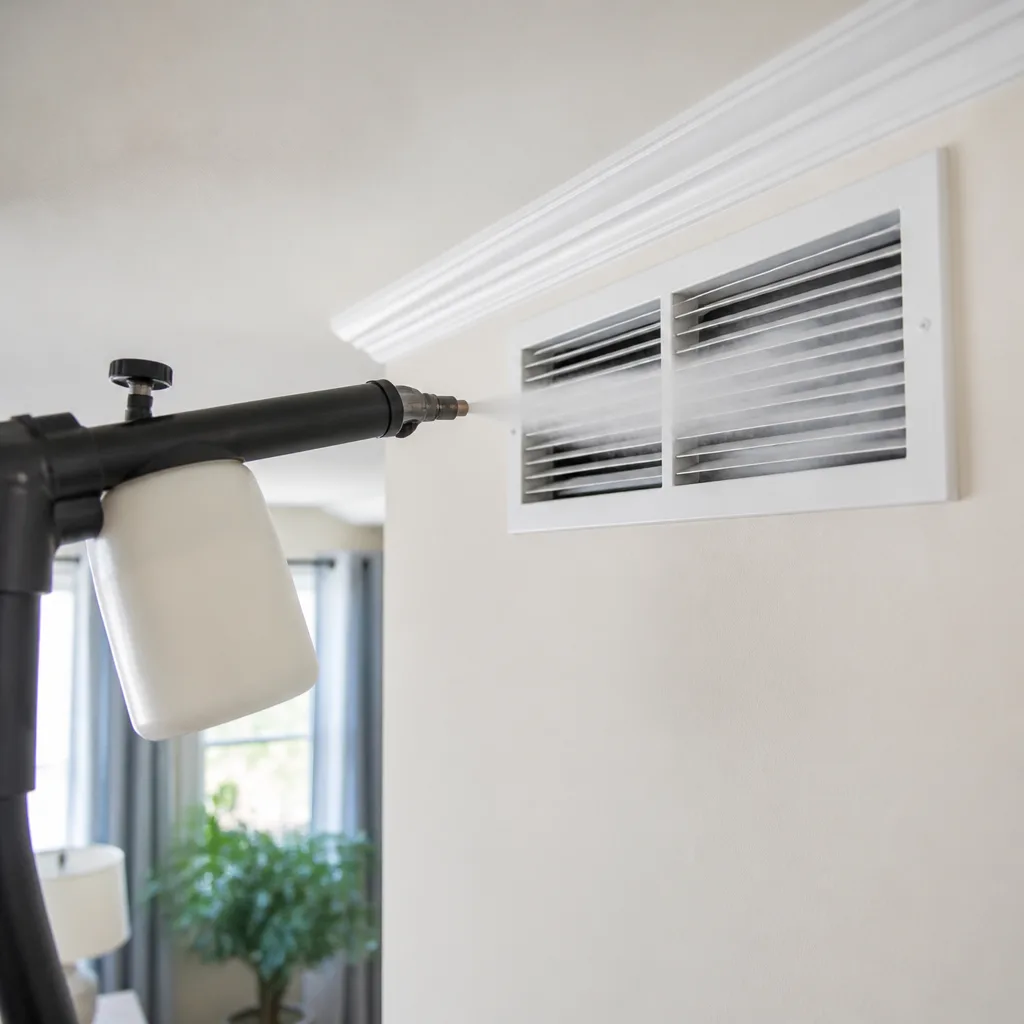 Sanitizing & deodorizing
Whole-system duct and dryer vent check with before-and-after photos - you see exactly what came out of your vents
That "$99 whole-house special" is a bait ad - the real number appears once they are in your hallway, or the "clean" is a shop-vac at the register. We photograph the inside of your ducts before and after instead.
The Complete Guide to Air Duct Cleaning in Tooele
Most people think a duct cleaning is done when the vacuum shuts off. In practice, the part of the job that matters most is the part nobody films: pulling the blower wheel, opening the evaporator coil housing, checking the return plenum for moisture or growth, and measuring airflow before and after. A rotating brush and a big vacuum can move a lot of debris, but if those checks never happen, you’ve cleaned part of your system and have no idea what the rest of it looks like. This guide walks through what a complete job actually covers in Tooele, how local desert dust and inversion-season air shape the contamination you’ll find, and how to tell a real cleaning from a cursory one.
Quick Answer
A complete air duct cleaning in Tooele covers the entire air pathway: return ducts, supply ducts, the blower compartment, the evaporator coil housing, and every register, using contractor-grade negative-air equipment and rotary brushes rather than a shop vac. It should include a before-and-after check, either visual camera inspection or airflow measurement, so you can see what changed. Cleaning alone won’t fix leaks or microbial growth, so a credible provider will tell you when sealing or sanitizing is the right next step.
Styles & brands we work with
- Whole-home duct cleaning
- Dryer vent cleaning
- Camera inspection
- Sanitizing & deodorizing
Table of Contents
- The Full System Map: What a Complete Cleaning Actually Covers
- How Tooele’s High-Desert Dust and Inversion Season Shape Contamination
- Contractor-Grade Equipment vs. Shop-Vac Shortcuts
- Before-and-After Verification: How You Know the Work Was Done
- When Cleaning Alone Isn’t Enough: Sealing, Repair, and Sanitizing
- What a Full Job Looks Like, Step by Step
- How Much Air Duct Cleaning Costs in Tooele
- How Often Ducts Really Need Cleaning
The Full System Map: What a Complete Cleaning Actually Covers
Your HVAC system isn’t a set of pipes with air blowing through it. It’s a chain of components, and each one collects a different kind of contamination. A complete job treats every link in that chain as a separate item to inspect and clean. When a provider skips a component, the whole system keeps recirculating what was left behind.
Here’s how we break the system down, from intake to exhaust:
- Return ducts and the return plenum. This is where unfiltered household air first enters the system. It carries the largest debris load, and it’s the spot most likely to show dust buildup, pest activity, or moisture at a poorly sealed connection.
- The blower compartment and blower wheel. Dust cakes onto the blades over time, which throws the wheel off balance and reduces the volume of air the blower can move. Pulling the wheel is a step many quick cleanings skip entirely.
- The evaporator coil and its housing. The coil stays damp during cooling season, which makes its housing a common place for biological growth in a dry climate where people run the AC hard in summer. Cleaning the coil face without addressing the housing leaves the source in place.
- Supply ducts. These carry conditioned air to the rooms. Because they’re downstream of the filter, they typically hold less debris than returns, but they still collect fine dust and, in older Tooele homes, construction grit from past remodels.
- Registers and grilles. Each supply and return register needs to be removed, cleaned, and reset. Dust at the register face is the most visible sign a homeowner notices first, but it’s the last thing on the pathway, not the first.
When we talk about following the air start to finish, this is what we mean. A provider who cleans only the supply runs has cleaned the easy half. The diagnostic value is in the intake side and the mechanical components in between.
How Tooele’s High-Desert Dust and Inversion Season Shape Contamination
Tooele sits in a high-desert valley, and that changes what ends up in your ducts compared with a wetter climate. Fine alkaline dust is a constant here, especially during spring wind events and after summer thunderstorms push dirt off the surrounding slopes. That dust is finer than typical household lint, which means it slips past standard filters and settles inside ductwork rather than collecting at the grille.
Winter brings its own pattern. Tooele Valley is prone to temperature inversions, where cold air gets trapped under a warmer layer and particulate matter accumulates near the ground for days at a time. During those stretches, the outdoor air a homeowner might otherwise open a window to is worse than the indoor air, so the system runs more, cycles more dust through the return, and loads the filter faster. Homes here often show a heavier film on return-side surfaces after a long inversion season than you’d expect from a house of the same age in a milder climate.
Two more local factors matter:
- New construction and remodels. Tooele has seen steady residential growth, and drywall dust, sawdust, and insulation fibers from a build or remodel settle deep into ductwork. A system that ran during construction needs a full cleaning, not just a filter swap.
- Dry air and static. Low humidity increases static charge, which makes fine dust cling to duct walls and blower blades instead of blowing through. That’s one reason buildup here can look stubborn even when airflow seems fine.
If you’ve noticed musty odors when the system starts, visible dust at registers shortly after cleaning them, or allergy symptoms that worsen when the HVAC runs, the climate pattern above is often the explanation. A proper air duct cleaning addresses the accumulation directly rather than masking the symptom.
Contractor-Grade Equipment vs. Shop-Vac Shortcuts
Equipment is where the difference between a real cleaning and a cosmetic one lives. A consumer shop vac creates suction at the hose end but does nothing to keep loosened debris from drifting into your living space. Contractor-tier systems work differently, and the difference is visible during the job.
We use Rotobrush and Nikro duct cleaning systems, the rotary-brush and negative-air setups that professional HVAC contractors rely on. The rotary brush agitates debris off duct walls while a high-volume vacuum pulls it out, and the negative-air setup keeps the whole duct run under slight negative pressure so loosened material travels toward the collection point rather than into the room.
During service we also deploy Abatement Technologies air filtration units to contain any debris that escapes at the register openings. That’s what negative-air containment means in practice: the job stays in your ducts, not in your living room. If a provider shows up with a shop vac and a length of flex hose, you’re getting surface suction, and the deeper contamination stays put.
Here’s what contractor-grade equipment actually achieves that consumer gear can’t:
- Full-length agitation. Rotary brushes reach the far end of a duct run and scrub the walls, not just the opening.
- Sustained negative pressure. The whole system is held under vacuum so debris moves toward collection, not back into rooms.
- Filtration at the source. Air scrubbers capture fine particulate at the work zone instead of letting it settle on furniture.
- Component access. The equipment and process are built around opening the blower compartment and coil housing, not just the registers.
Before-and-After Verification: How You Know the Work Was Done
The single best way to tell a credible job from a cursory one is whether the provider shows you evidence. Cleaning you can’t verify is a cleaning you have to take on faith, and this industry has earned its reputation for exactly that reason. Before any work begins, ask how the provider will document what changed.
Two verification methods matter:
- Visual camera inspection. A camera run through the ductwork before and after gives you a direct look at the walls, the plenum, and the coil housing. Before-and-after photos of your own ducts, not stock images, are the standard to expect.
- Airflow measurement. Measuring static pressure or airflow at the registers before and after shows whether the cleaning actually improved the system’s ability to move air. A blower wheel caked in dust restricts airflow, and a cleaning that frees it should show up on a gauge.
Ask to see both. A provider who documents the job this way is confident in the result, and you get a record of the condition of your system at the time of service, which is useful for tracking buildup over the years. This is also where one flat price per system, agreed before work starts, matters: it removes the pressure to upcharge mid-job and lets the verification step focus on actual results rather than justifying a bigger invoice.
When Cleaning Alone Isn’t Enough: Sealing, Repair, and Sanitizing
Clean ducts are only half the job. Cleaning removes what’s already inside the system, but it doesn’t fix leaks, disconnected joints, or microbial growth on wet surfaces. Your HVAC system works harder when your ducts leak or clog, and no amount of cleaning closes a gap at a joint that’s been pulling attic or crawlspace air into the supply run for years.
Here’s when cleaning needs to be paired with something else:
- Leaking or disconnected ducts. If return or supply runs have separated at joints or flex duct has collapsed, you’re losing conditioned air and drawing in unconditioned air. Duct repair and sealing addresses the root cause of leakage and energy loss rather than just the surface contamination.
- Biological growth in the plenum or coil housing. In a dry climate this is less about persistent damp and more about seasonal condensation on the coil and any past moisture event. When growth is present, mechanical cleaning needs to be followed by a sanitizing treatment. We apply Guardsman-grade sanitizing products after mechanical cleaning is complete, for microbial and odor control.
- Odors that return after a cleaning. If a smell comes back quickly, the source is usually a wet surface or a contaminated component the last cleaning skipped. Sanitizing after a full mechanical clean addresses it at the source.
- Long-term air quality goals. For homeowners who want to go beyond a single cleaning, we work with Honeywell and Aprilaire IAQ product lines, which opens an upgrade path from cleaning to ongoing air quality management in a single visit, including Aprilaire filtration and humidity control options.
Whether your system needs cleaning alone or cleaning plus sealing and sanitizing is something a diagnostic walkthrough should answer before any work begins.
What a Full Job Looks Like, Step by Step
A complete job follows a fixed sequence. The order matters, because you can’t clean what you haven’t accessed, and you can’t verify results you didn’t measure first. Here’s the general flow we follow on a full-system job in Tooele.
- System walkthrough and inspection. Registers are located and counted, the blower and coil housing are opened, and the return plenum is checked for moisture. If the system has never been cleaned, this step often reveals exactly where the worst buildup sits.
- Baseline documentation. Before anything is touched, airflow is measured and the worst areas are photographed, so there’s a record to compare against.
- Negative-air setup. Abatement Technologies filtration units and the vacuum are connected, and the system is brought under negative pressure.
- Mechanical cleaning, return side first. Rotobrush rotary brushes work the return runs, plenum, blower wheel, and evaporator coil housing, following the air pathway.
- Supply-side cleaning and register removal. Each supply duct is brushed and pulled clear, and every register and grille is removed, cleaned, and reset.
- Sanitizing where needed. When growth or odor is present, Guardsman-grade sanitizing products are applied after mechanical cleaning.
- Sealing and repair if required. Leaking joints or disconnected runs are sealed, addressing root-cause energy loss.
- Post-cleaning verification. Airflow is measured again, after photos are taken, and you get the comparison alongside a written record of the job.
If you’re also dealing with a sluggish dryer vent, that’s a separate pathway worth handling in the same visit. A full-system provider covers ducts, HVAC, sanitizing and dryer vent cleaning, so you’re not scheduling multiple trips.
How Much Air Duct Cleaning Costs in Tooele
Air duct cleaning in Tooele is priced per system by a written estimate, not by the vent. Whole-system jobs typically fall in a mid-range depending on the size of the home, the number of registers, and whether the job includes coil or blower access, sanitizing, or duct sealing. A provider who quotes a per-vent price or a teaser coupon figure is one you’ll want to ask hard questions of, because that’s exactly where bait-and-switch pricing starts.
What drives the estimate:
- Home size and register count. More runs and more systems mean more work, and the estimate reflects it.
- Access and system condition. A home with a sealed return plenum or a difficult attic run takes more setup.
- Add-on services. Sanitizing, duct sealing, or repair are quoted separately because they’re separate scopes of work.
- Number of HVAC systems. A two-system home is priced as two systems, not one.
The number that matters is the one written on the estimate, agreed before any work starts. One flat price per system, no surprises once the technician is in your hallway, and before-and-after photos of your own ducts to back it up. Call (855) 658-4369 for a free estimate. We answer 24/7. Fast dispatch from 7am to 7pm, Sunday through Friday.
How Often Ducts Really Need Cleaning
There’s no universal interval, and anyone who gives you a fixed number without looking at your system is guessing. The honest answer depends on what’s in your home and how the system is running. In a high-desert valley like Tooele, several conditions push that interval shorter.
Reasons to schedule a cleaning sooner:
- You’ve just finished a remodel or moved into a home that was built or renovated recently. Construction debris settles deep into ducts.
- The home has pets, and you’re seeing dust return quickly after cleaning registers.
- You’ve noticed musty odor when the system starts, or allergy symptoms that worsen indoors.
- The system has never been cleaned and the home is older. Decades of fine desert dust settle in returns, and a first cleaning usually pays off in airflow alone.
- You’ve had a past moisture event, or you can see growth in the plenum or around the coil housing.
If none of those apply, a cleaning every few years is a reasonable baseline, and the before-and-after documentation from the last job tells you how fast your system accumulates. For commercial accounts with higher occupancy and more air cycling, the interval is shorter. These are general guidelines, not a schedule, and the right way to set one is to inspect the system and measure airflow first.
Common Mistakes to Avoid
- Calling it done when the register vacuum stops. If the technician never pulled the blower wheel or opened the evaporator coil housing, you’ve cleaned part of the system. Ask before booking what components the job actually covers.
- Choosing the lowest per-vent quote. A per-vent price is a teaser that invites a mid-job upcharge. One flat price per system, quoted in writing before work starts, is the honest structure.
- Accepting stock before-and-after photos. Generic photos prove nothing. Ask for pictures of your own ducts, from your own home, taken during the job.
- Treating cleaning as a substitute for sealing. In Tooele’s climate, a cleaning that leaves leaking joints in place keeps pulling dry outdoor dust and unconditioned air into the supply run. Cleaning and sealing solve different problems.
- Assuming a dusty register means clean ducts. Visible dust at the grille is the last stage of the pathway, not the first. The buildup that matters is at the return plenum and blower.
- Skipping the dryer vent. A sluggish dryer vent is a separate pathway with its own fire risk, and it’s often handled on the same visit.
- Scheduling a cleaning with someone who won’t inspect first. A provider who quotes a price without opening the blower or checking the plenum hasn’t seen your system. A diagnostic walkthrough is the only way to know what the job needs.
See the difference
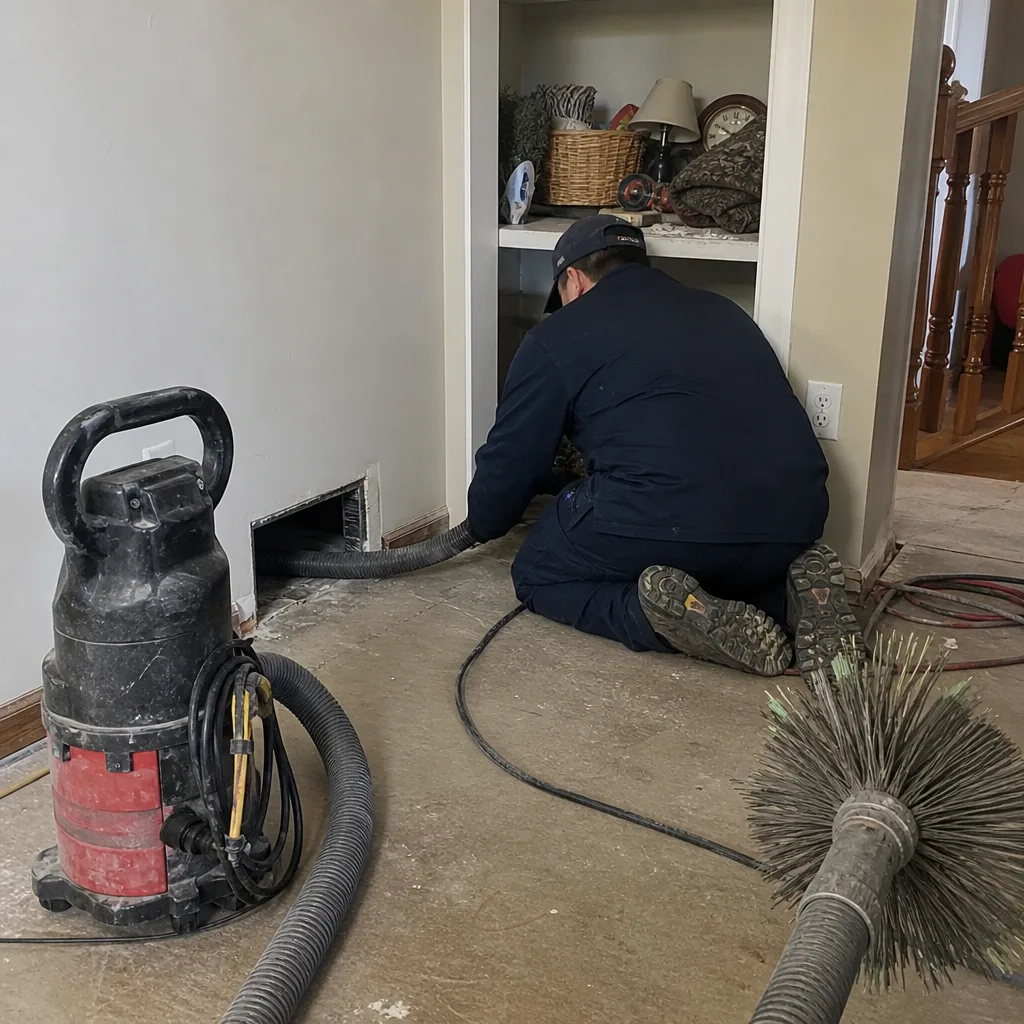 Before
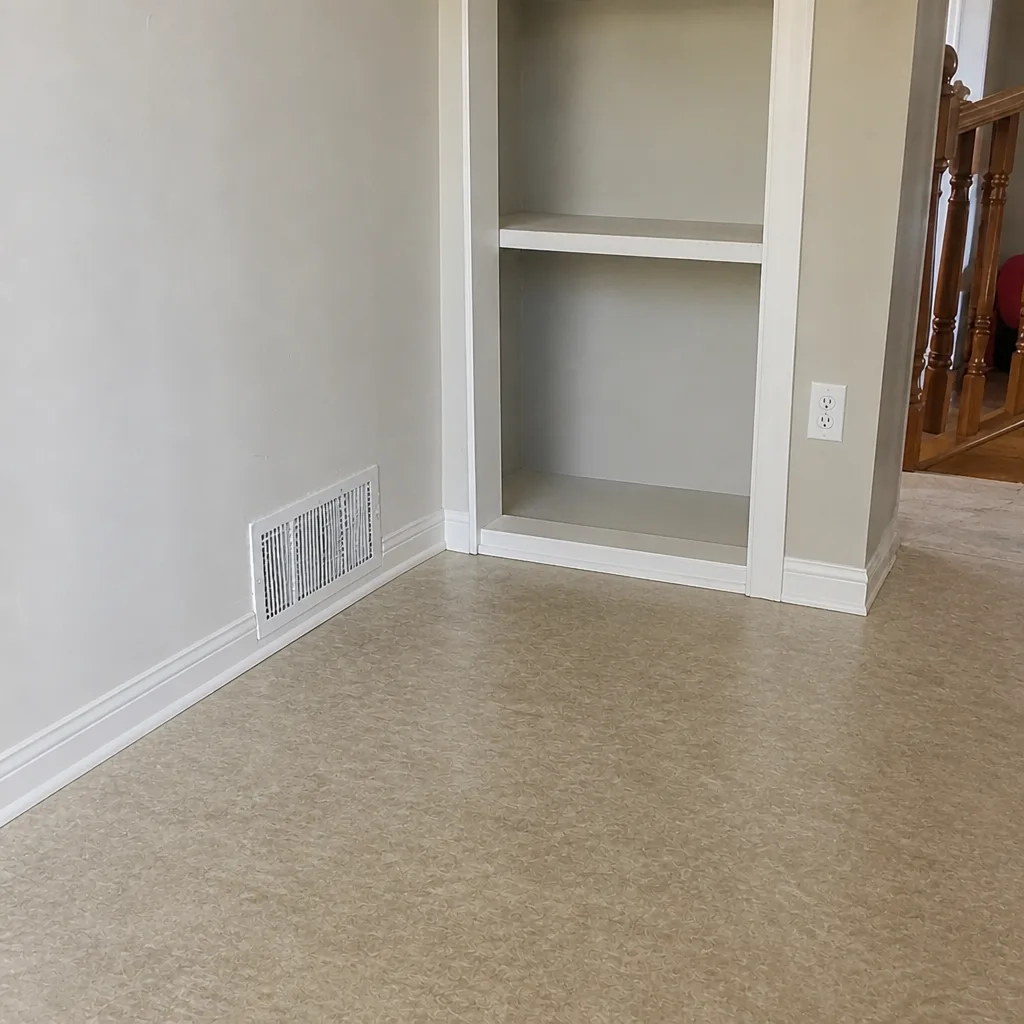 After
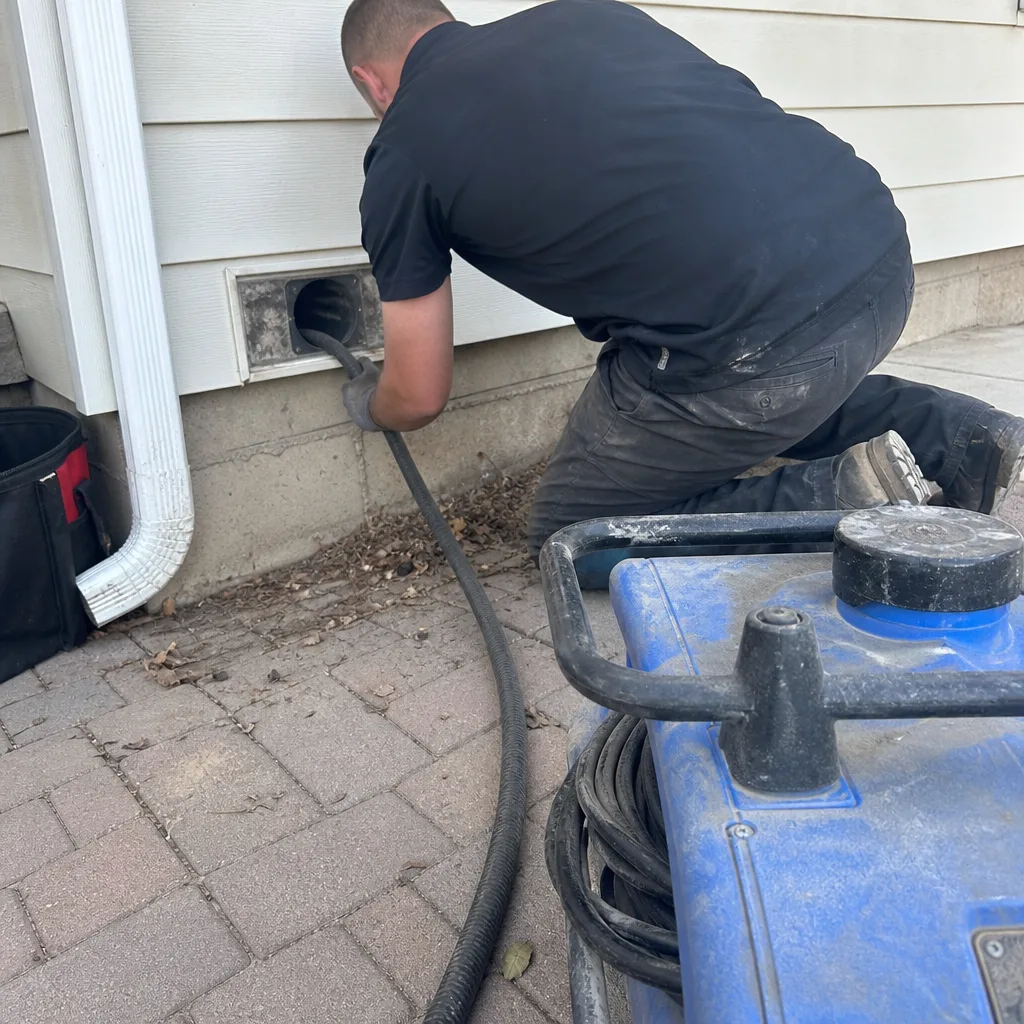 Before
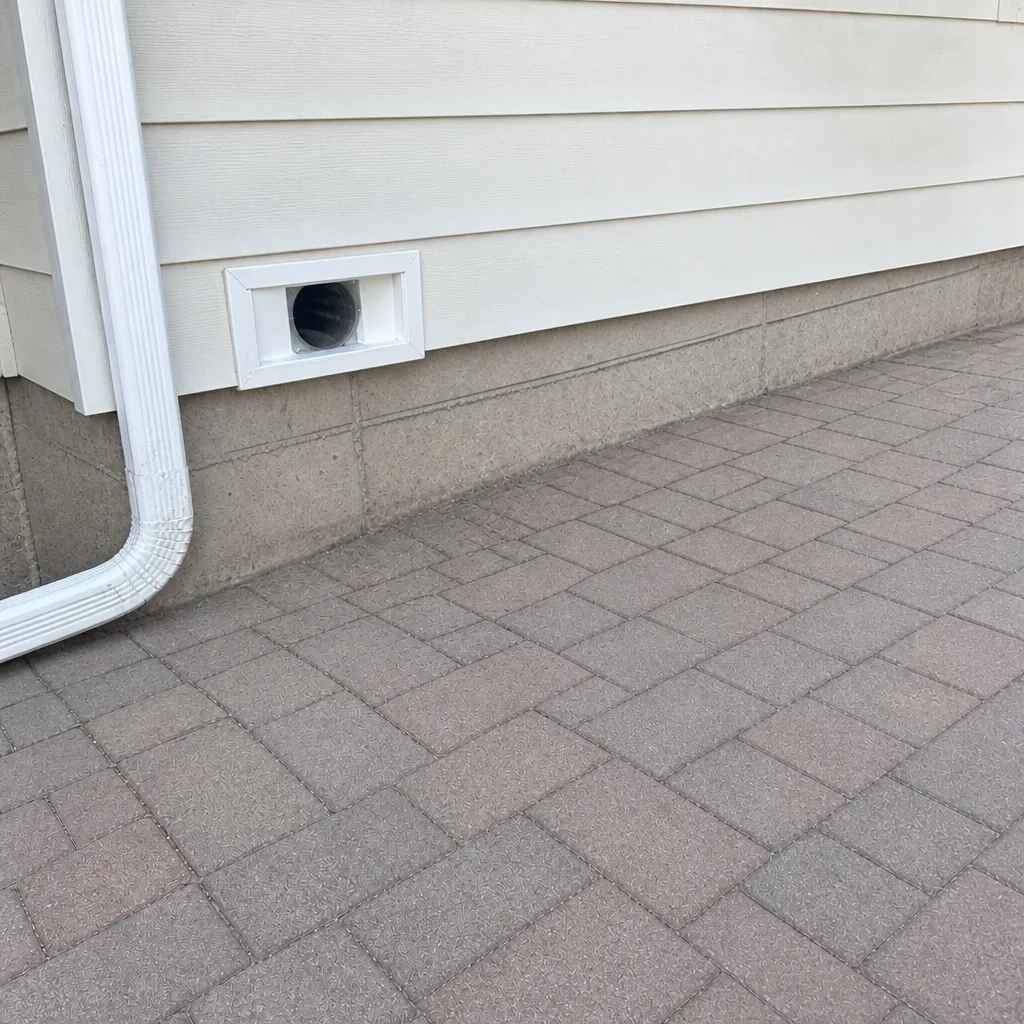 After
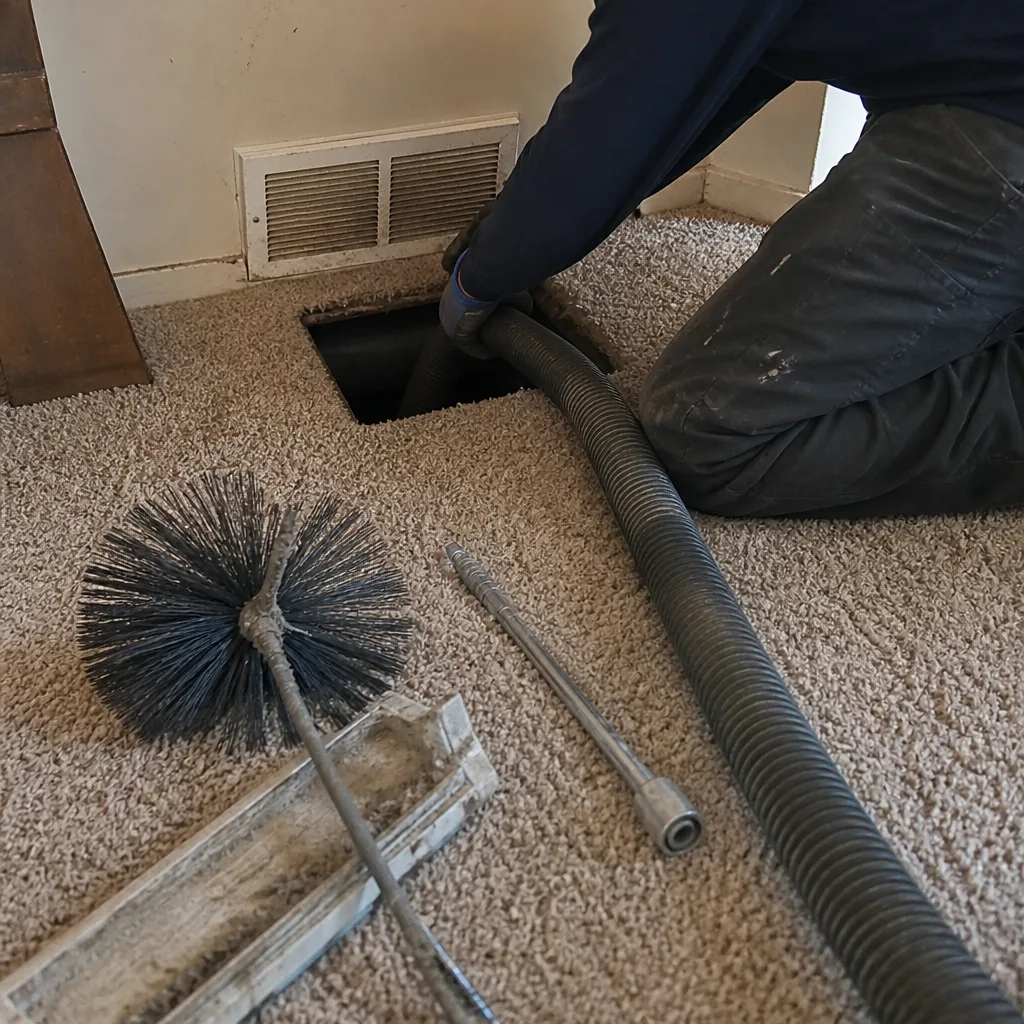 Before
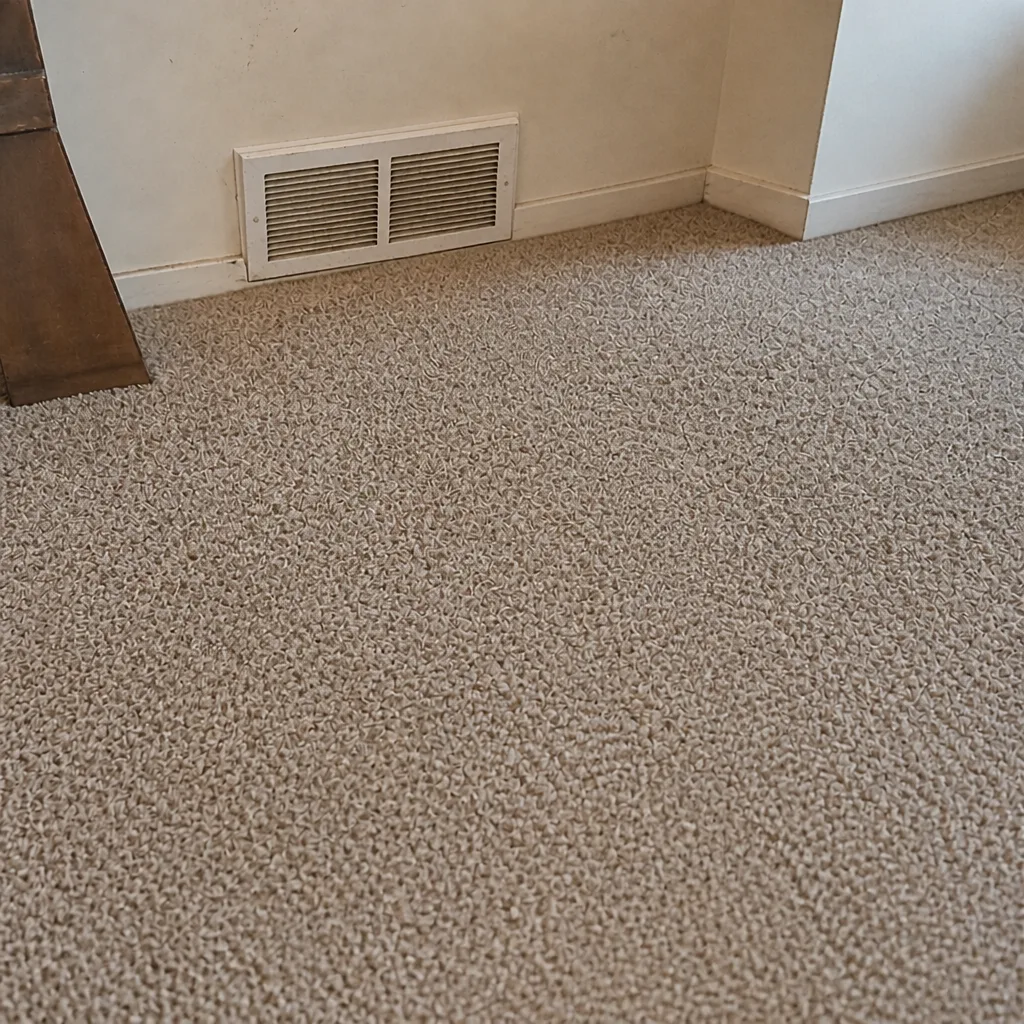 After
When to Call a Professional
Some jobs need a contractor-grade setup, not a DIY attempt. Call a professional if your registers put out dust shortly after you clean them, if you smell a musty odor when the heat or AC kicks on, if allergy symptoms get worse when the HVAC runs, or if you’ve finished a remodel or moved into a recently built home. Call sooner if you can see growth in the plenum or coil area, or if a duct has separated or collapsed. In a high-desert valley, the fine dust pattern makes buildup harder to spot from the register alone. Tooele Air Duct Cleaning offers free estimates in Tooele. Call (855) 658-4369.
Frequently Asked Questions
It’s priced per system by a written estimate, and typical whole-system jobs depend on home size, register count, and whether you add sanitizing or sealing. The final number is whatever’s on your written estimate, agreed before any work begins. Call (855) 658-4369 for a free estimate. We answer 24/7.
Cheap quotes usually cover a smaller scope: surface suction at the registers, no blower access, no coil housing, and no verification. A per-vent teaser price is also a sign of a job that grows once the technician is on site. Ask what the quote covers before you compare numbers. Call (855) 658-4369 for a flat, per-system estimate.
You should see camera inspection photos or airflow readings before and after the job, of your own ducts. A provider who documents the work this way is confident in the result. Ask for both when you book, and don’t accept stock images. Call (855) 658-4369 to schedule a verifiable cleaning.
There’s no fixed number; it depends on pets, remodels, and how much dust the system accumulates in this high-desert climate. A cleaning every few years is a reasonable baseline if none of the warning signs apply. The prior job’s documentation tells you how fast your system builds up. Call (855) 658-4369 to talk through your system.
Cleaning reduces the dust and debris that recirculate through your home, which is worth doing if that’s your concern. It doesn’t treat allergies, and no cleaning removes every particle. For ongoing improvement, we work with Honeywell and Aprilaire filtration options. Call (855) 658-4369 to discuss what fits your system.
Only if the inspection finds leaks, disconnected joints, or a return pulling in unconditioned air. Sealing addresses the root cause of energy loss, and cleaning addresses contamination; they solve different problems. A diagnostic walkthrough tells you which one you need. Call (855) 658-4369 for a free estimate.
The Bottom Line
A complete air duct cleaning in Tooele is a full-pathway inspection, not a vacuum pass. It covers return ducts, supply runs, the blower wheel, the evaporator coil housing, and every register, using contractor-grade equipment that keeps loosened debris contained. It ends with a verification step, either camera photos or airflow readings, so you know what changed. Where leaks or growth are present, sealing and sanitizing finish the job. One flat price per system, agreed before work starts, and before-and-after photos of your own ducts are the standard to hold any provider to. For a diagnostic estimate on your system, call Tooele Air Duct Cleaning at (855) 658-4369. We answer 24/7. Fast dispatch from 7am to 7pm, Sunday through Friday, and we’re closed Saturday. Start with Tooele Air Duct Cleaning, or if you’re booking the full pathway in one visit, our HVAC cleaning covers the unit itself alongside the ducts.
Written by the team at Tooele Air Duct Cleaning.