
Last updated November 23, 2026
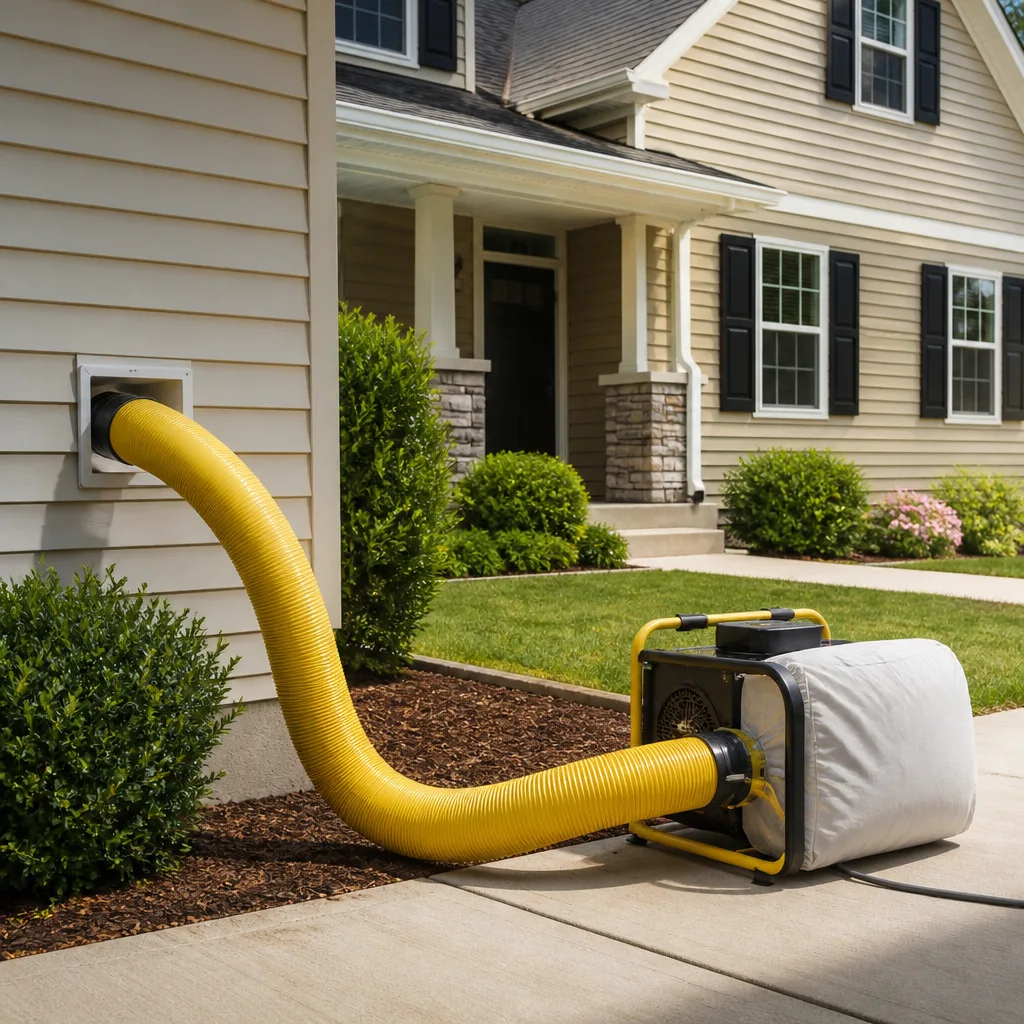 Whole-home duct cleaning
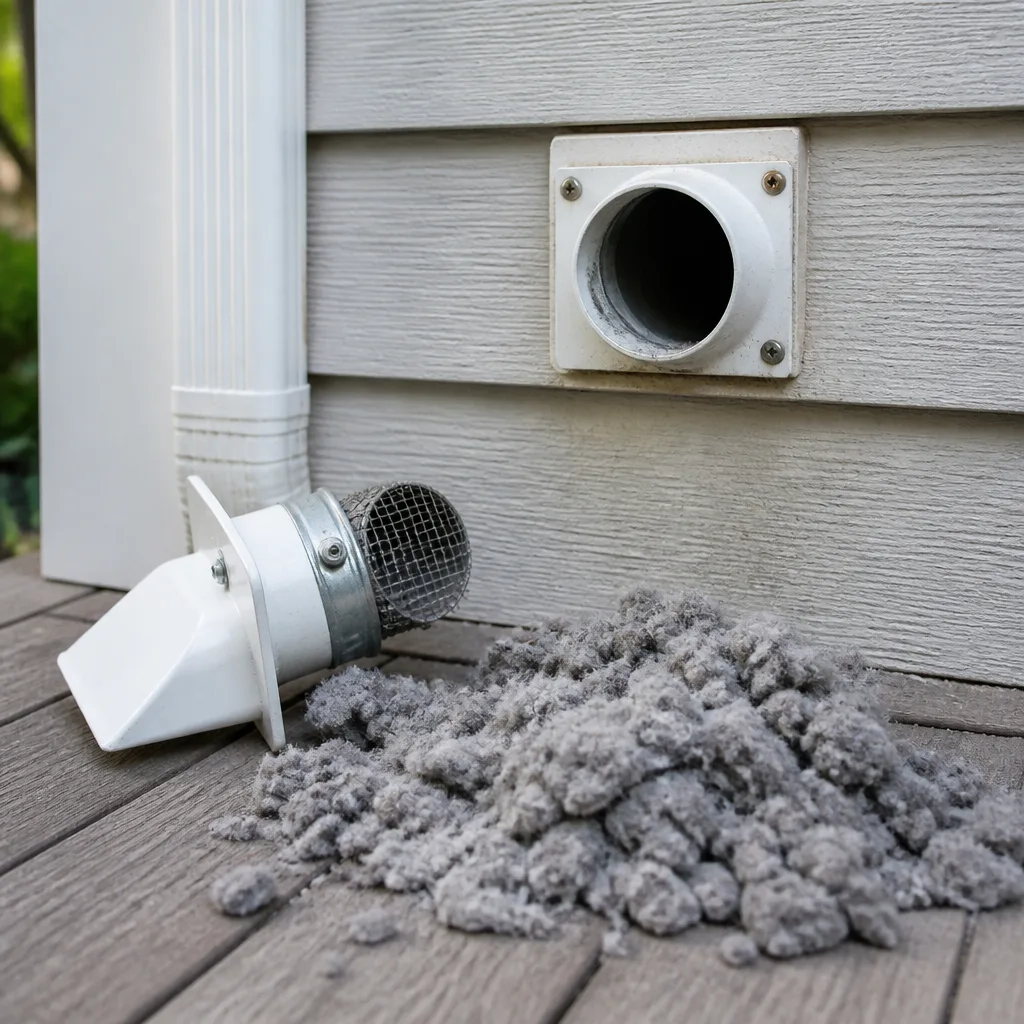 Dryer vent cleaning
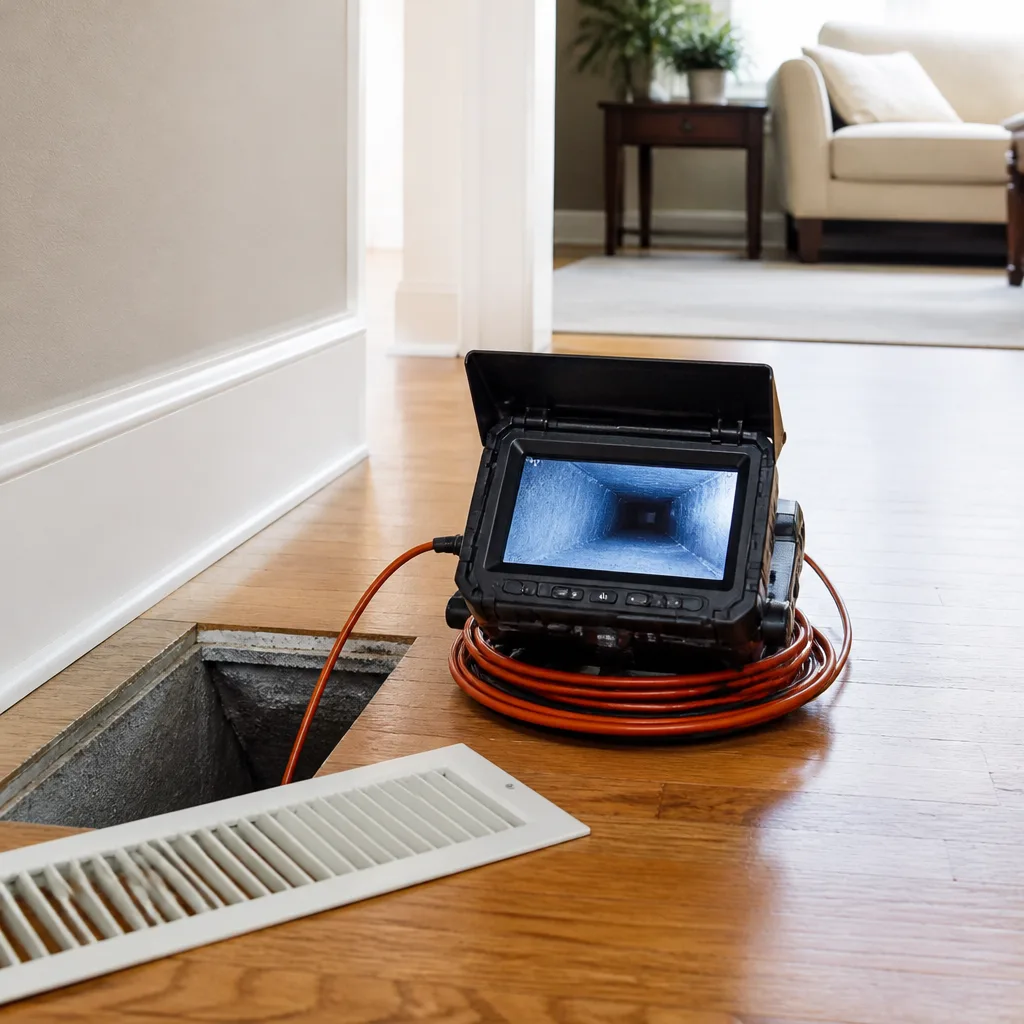 Camera inspection
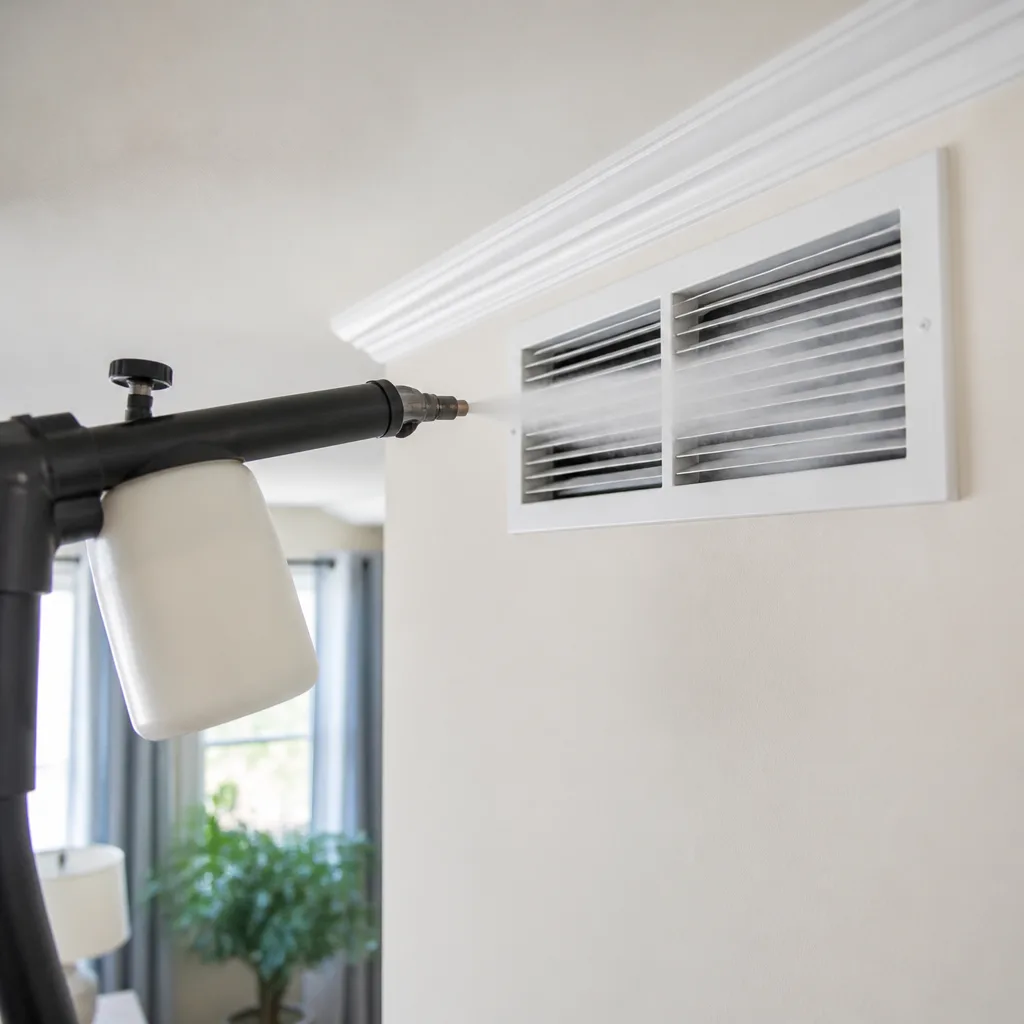 Sanitizing & deodorizing
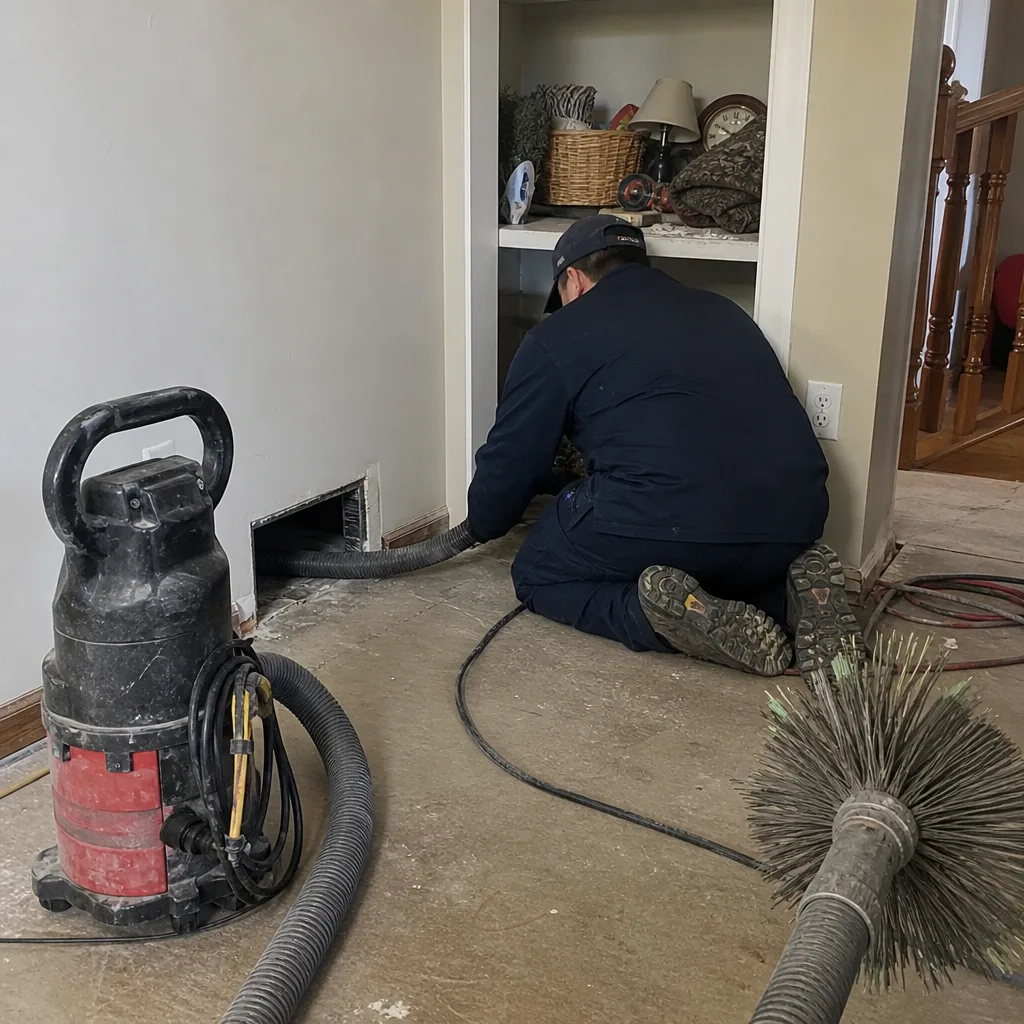
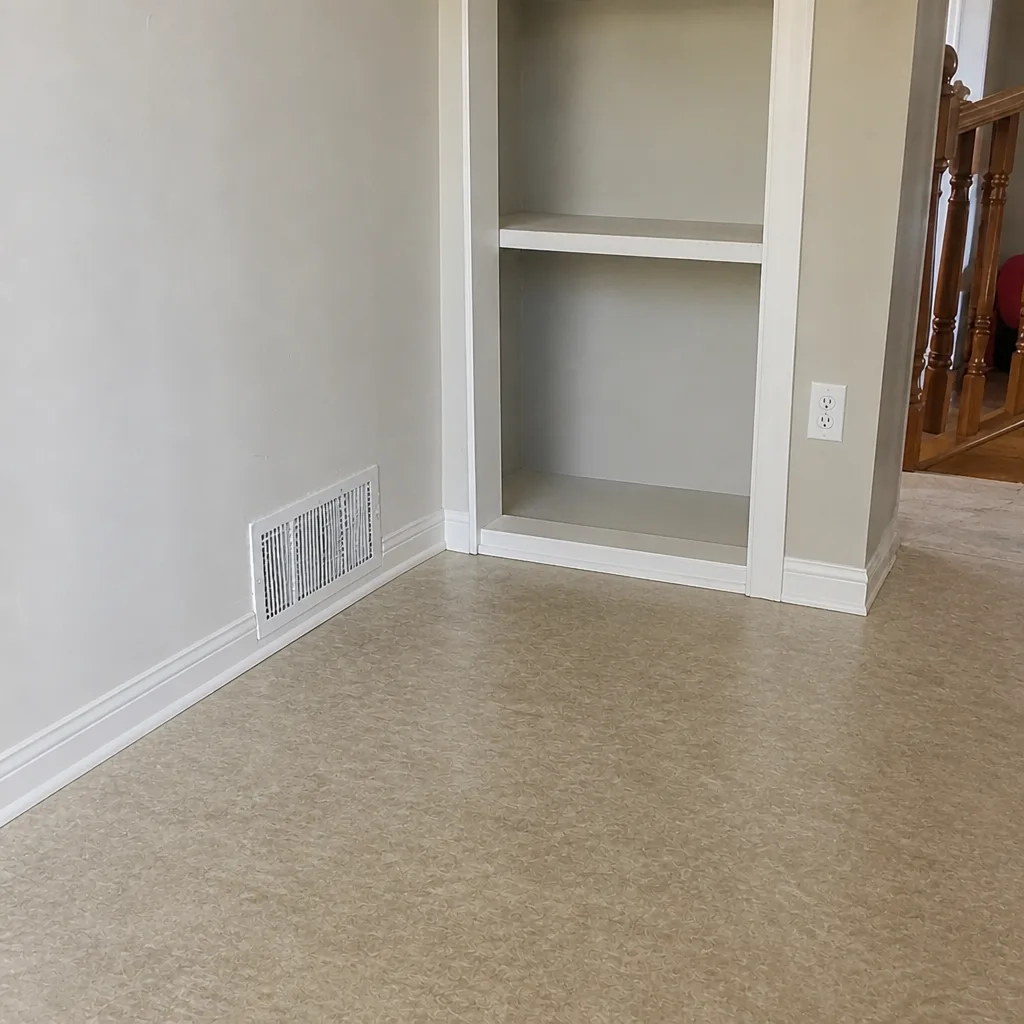
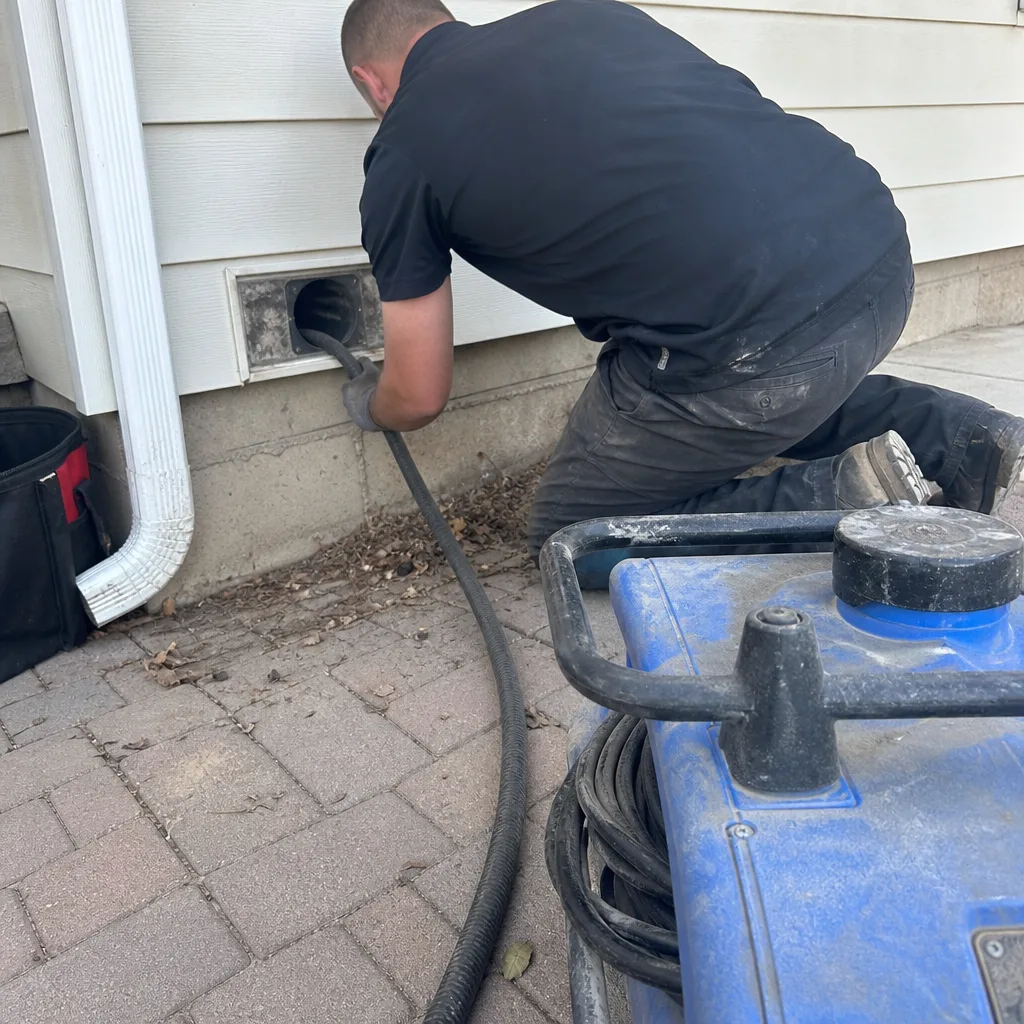
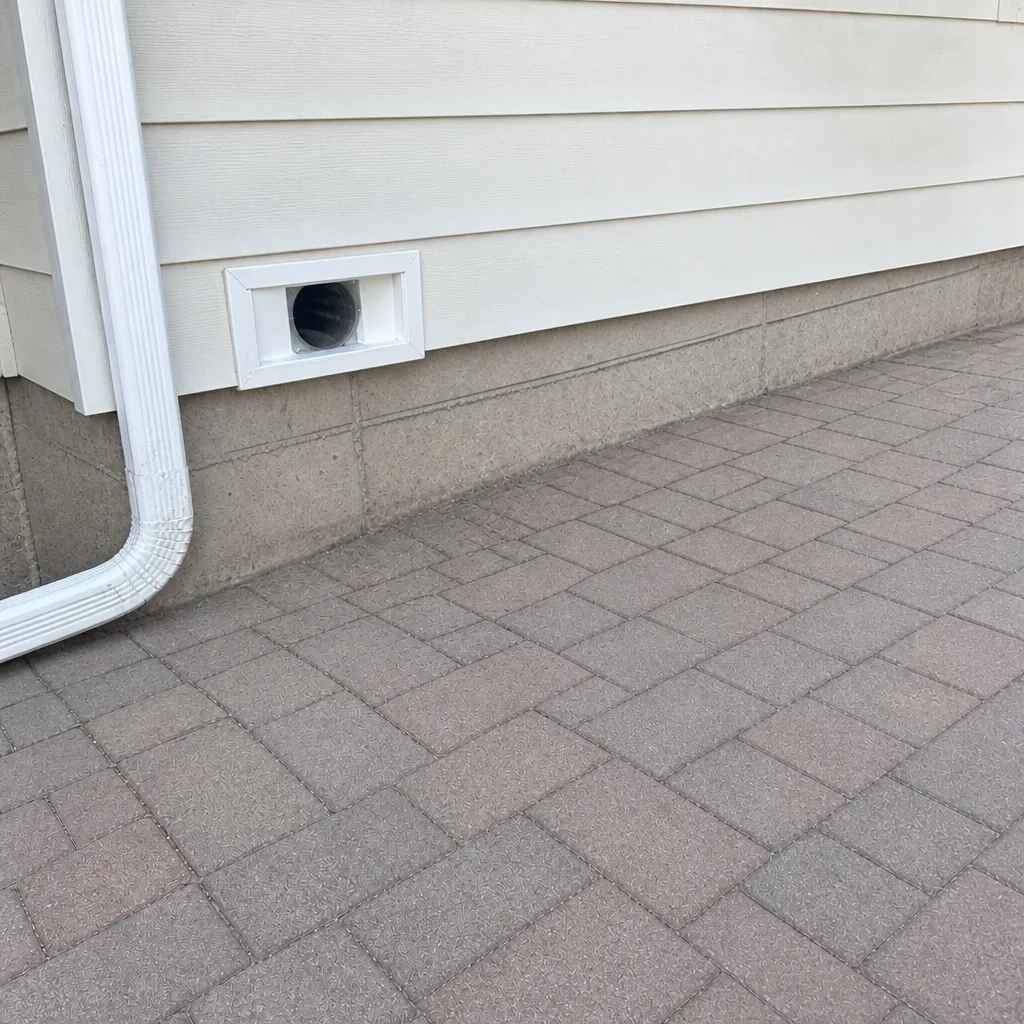
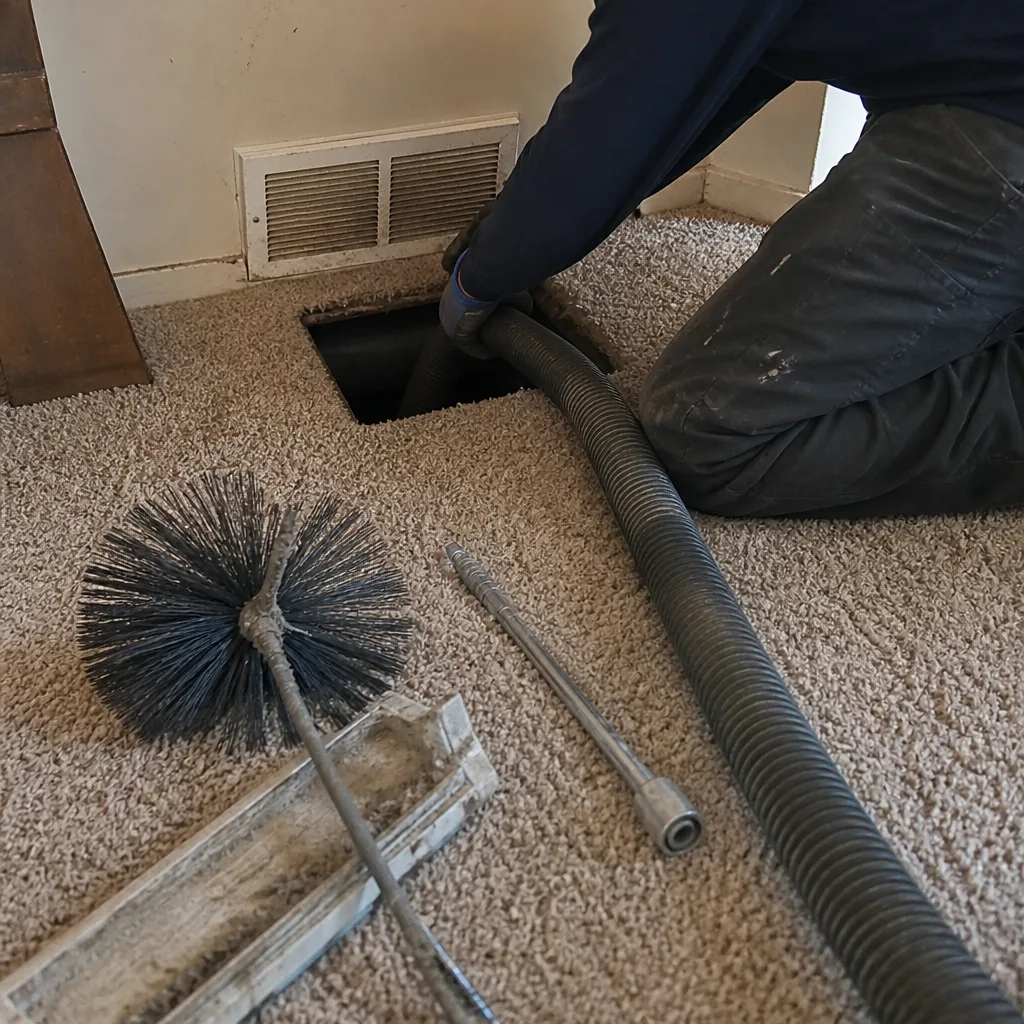
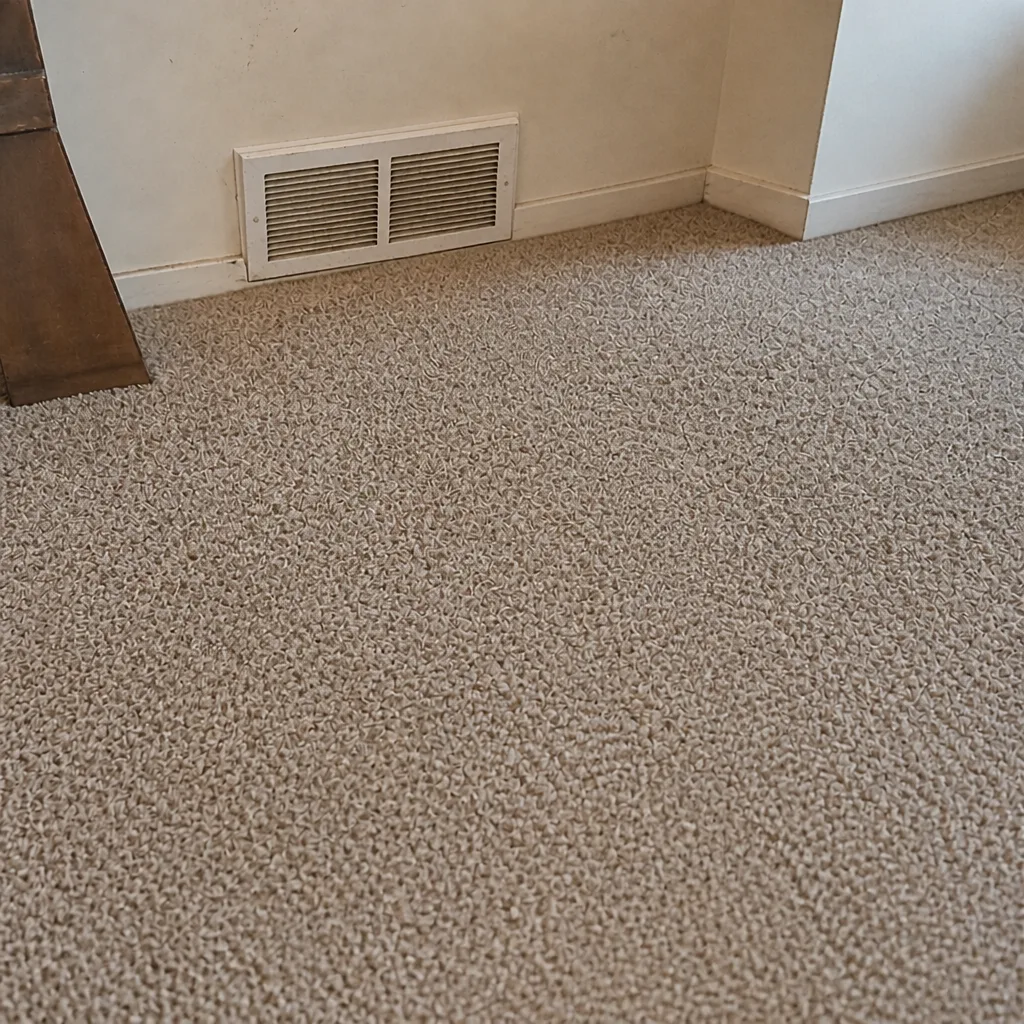
Whole-system duct and dryer vent check with before-and-after photos - you see exactly what came out of your vents
That "$99 whole-house special" is a bait ad - the real number appears once they are in your hallway, or the "clean" is a shop-vac at the register. We photograph the inside of your ducts before and after instead.
Air Duct Cleaning Emergency Preparedness Guide for Tooele Homes
Most emergency kits leave out the system that runs every hour of every day: your ducts. During northern Utah’s wildfire smoke events, a central HVAC system running a standard filter pulls fine particulate into the duct network and then re-releases it into living rooms for weeks after the sky clears. That cycle is invisible, which is why so many Tooele homeowners never connect lingering haze, musty smells or static dust to their air handler. Ducts are one of the few parts of a home that can turn from a clean-air source into a contamination vector in a single afternoon. This guide walks through the specific duct protocols for smoke, water intrusion, dust and seismic events, from shutdown and restart to the professional inspection that closes the loop.
Quick Answer
For duct emergencies in Tooele, the priority order is always shut down the air handler first, protect the return intake second, and document conditions third. During a smoke or dust event, run the fan on low with a high-MERV filter or turn the system off entirely until outdoor air clears. After water reaches ductwork, the safe window before mold takes hold is 24 to 48 hours, so call for a professional inspection at once. After an earthquake, treat any separated duct joint or debris intrusion as a contamination event before restarting the system.
Styles & brands we work with
- Whole-home duct cleaning
- Dryer vent cleaning
- Camera inspection
- Sanitizing & deodorizing
Table of Contents
- Wildfire Smoke Protocol for Tooele HVAC Systems
- Water Intrusion: The 24-48 Hour Window
- Earthquake Preparedness and Duct Integrity
- How to Temporarily Seal Returns During a Dust or Smoke Event
- Filter Selection and Upgrade Thresholds
- The Post-Emergency Professional Inspection Scope
- Restart, Verification and Recurring Maintenance
Wildfire Smoke Protocol for Tooele HVAC Systems
When smoke from a fire in the Oquirrh Mountains or a broader regional event settles over the Tooele Valley, the trap most homes fall into is running the HVAC exactly as usual. A standard one-inch filter is not built to catch the fine particulate that dominates wildfire smoke, so it passes straight through the return and settles along the interior walls of the duct run. Once deposited, that material keeps entering the living space with every fan cycle, long after the smoke has cleared.
Here’s what we recommend as a sequence:
- Switch to recirculate or off. If your system pulls in outdoor air, close that damper or turn the system off. Many residential systems don’t have an outdoor-air intake, so this may mean only that windows and doors stay shut.
- Upgrade the filter before the event, not during it. Have a MERV-13 filter on hand if your air handler can accommodate one. Not every blower is rated for higher static pressure, so check the equipment label or ask a technician.
- Run the fan on low if you must run it. Constant fan moves more air across the filter and catches more particulate, but only if the filter is the right one. A clogged filter increases pressure and reduces airflow.
- Watch the filter. Under heavy smoke, a filter that normally lasts months can load in weeks. Inspect it more frequently during an event and replace when it looks gray or matted.
- Schedule an inspection when the smoke clears. Deposit that settles in ductwork won’t come out with a filter change.
Smoke events in Tooele tend to arrive with the same wind patterns that bring high winds off the west desert, so the two often combine into a single load on your system. That combination is why we treat smoke and dust as one protocol rather than two separate ones. If the event is severe enough that you’re seeing visible haze at the registers indoors, the ducts likely need attention before the next heating season. Our air duct cleaning service is designed around source removal at the register and the main trunk, not surface work.
Water Intrusion: The 24-48 Hour Window
Water in your ductwork is a different kind of emergency. Mold can begin establishing on wet, dust-laden surfaces within 24 to 48 hours of exposure, and duct interiors are almost always dust-laden. A basement flood, a roof leak at a ceiling register, or a burst pipe above the mechanical closet all create the same risk: moisture reaching rigid or flexible duct sections and starting a growth cycle you can’t see from the living room.
What to do in the first hours:
- Turn off the air handler. Running the fan pushes humid air through the entire duct network and spreads the problem.
- Document the water line. Photograph where the water reached so a technician knows which runs were exposed.
- Identify affected sections. Ceiling registers and duct runs in the wet ceiling zone matter most. A basement flood may not touch ductwork at all if the furnace and plenum are elevated.
- Dry the surrounding structure first. Ductwork cannot be dried while the ceiling or floor above it is still wet.
- Call for an inspection within the window. If duct insulation, flex duct liner or duct board got wet, it usually cannot be dried in place and needs replacement. That determination belongs to a trained technician.
Utah’s dry climate helps with surface drying, but it does not protect duct interiors. Enclosed spaces trap moisture far longer than an open room, which is exactly why the 24 to 48 hour window matters here as much as anywhere. If you’ve had a water event and the ducts were exposed, we can inspect and determine whether cleaning, sanitizing or section replacement is the right answer. Guardsman-grade sanitizing products are part of our air quality and sanitizing scope when microbial growth is a concern.
Earthquake Preparedness and Duct Integrity
Utah has real seismic risk along the Wasatch Front, and the Tooele Valley sits within that broader zone. When a significant seismic event occurs, duct systems can develop separated joints, dislodged flex duct, and debris intrusion from the surrounding structure. The risk isn’t just that the duct system loses efficiency; it’s that the system starts drawing air from wall cavities, attics or crawl spaces that contain construction debris.
Here’s the sequence we recommend for post-seismic duct checks:
- Shut the system off before inspecting. Don’t run the air handler while you’re checking for damage.
- Look for visible separation at registers and plenums. A gap at the register boot or a loose connection at the plenum means the system is pulling from the wrong place.
- Check the air handler cabinet. If it shifted or was hit by falling objects, have it inspected before restart.
- Look for debris at registers. Drywall dust, insulation fibers, and dust from cracked plaster all migrate into ductwork after a seismic event.
- Schedule an inspection if anything moved. Duct repair and sealing is often needed after even a moderate event because flexible joints under tension don’t always reseal on their own.
Households with flexible duct runs are especially likely to develop joint separations after an event, and rigid metal trunk lines can pull away from their hangers. Both cases mean the ducts are no longer a sealed pathway, and that’s before you account for any debris that entered. Our HVAC cleaning scope includes checking the air handler and plenum for the same reasons post-event. If you want an inspection after a seismic event, call and we’ll book you in the next opening, Sunday through Friday.
How to Temporarily Seal Returns During a Dust or Smoke Event
When the outdoor air is thick with dust, blowing topsoil from the west desert, or heavy wildfire smoke, the biggest risk to your ducts is the return intake. Every cubic foot of contaminated air pulled through that grille deposits a fraction of its particulate along the duct interior. You can slow that deposit rate with materials already in most Tooele homes.
Materials that work:
- Blue painter’s tape (leaves less residue than duct tape on painted grilles)
- Plastic sheeting or a large contractor bag
- A HEPA-rated or MERV-13 rated furnace filter sized to your return grille
- Clean cotton towels or old cotton sheets
What to do:
- Turn off the air handler first. Never cover a return while the blower is running; the system will starve and could overheat the motor.
- Cover the largest returns. Prioritize the central return grille and any large floor or wall returns. Use a furnace filter cut to size if you have one, or tape sheeting over the grille with a loose seal so you’re restricting, not sealing completely.
- Leave bedroom and small supply registers alone. You want the system to still function if it runs.
- Don’t tape over the return at the air handler itself if it’s in an enclosed closet. Restricting intake at the cabinet can create pressure problems.
- Remove all temporary covers before restarting the system normally. Write a reminder where you’ll see it.
Temporary covers are a stopgap, not a solution. Over days of an event, particulate still enters through door gaps, windows, and the system’s own recirculation. When the event clears, that material is in the duct run and needs source removal. Negative-air containment during professional service, using tools like Abatement Technologies filtration units, is what keeps the removal from spreading debris back into the living space. That’s part of how we handle a system after a smoke event.
Filter Selection and Upgrade Thresholds
Filter upgrades matter, but the wrong upgrade can damage the air handler. MERV rating measures particle capture, and higher-MERV filters are denser. A denser filter creates more static pressure, and the blower in a typical Tooele home was sized for the filter that came with it. Pushing too high a MERV into an older system costs airflow, comfort and fan motor life.
Here’s how we think about the thresholds:
- MERV-8: Standard protection for pollen, dust mites and larger debris. Adequate for everyday use in most homes.
- MERV-11 to MERV-13: Captures fine particulate, including the size range that matters in wildfire smoke. Appropriate for many modern air handlers and for homes in the Tooele Valley during smoke season, provided the blower is rated for it.
- Higher than MERV-13: Usually requires a media cabinet and a blower rated for the pressure drop. Not a drop-in swap.
Filter thickness matters as much as MERV. A 4-inch or 5-inch media filter at MERV-13 usually creates less static pressure than a 1-inch filter at the same rating, because the deeper pleat has more surface area. If your system has a 1-inch filter slot, upgrading to a media cabinet is often the better long-term path. We work with Honeywell and Aprilaire media cabinet lines for exactly that reason, and our technicians can tell you whether your specific air handler can take the pressure change.
During a dust or smoke event, inspect the filter at twice its normal frequency. During normal Tooele conditions, factories near the valley’s industrial areas and seasonal pollen add to the load, so most homes benefit from a filter check at every season change regardless of what the packaging says.
The Post-Emergency Professional Inspection Scope
A post-emergency inspection should be measurable, not a sales presentation. Here’s what a thorough technician should check, document, and clear before the system returns to normal operation:
- Filter condition and system static pressure. The new filter should be in place, and a pressure check confirms the air handler can handle the filter you’ve installed.
- Visible duct runs at registers and plenums. Every accessible register boot, every main trunk connection, and every plenum junction should be checked for separation.
- Air handler and blower wheel condition. Post-event dust load lands on the blower wheel and evaporator coil; both should be inspected and cleaned if necessary.
- Contamination assessment with before-and-after photos. A real inspection includes photos of the duct interior before cleaning and after. Ask for them.
- Moisture and microbial check if the event involved water. Air quality and sanitizing treatment with Guardsman-grade products should follow mechanical cleaning, not substitute for it.
- Duct sealing validation. Any joints that separated or that tested as leaky should be sealed as part of the same visit.
Our inspections follow the air pathway from the return intake through the air handler to the supply registers, using contractor-grade Rotobrush and Nikro systems rather than shop-vac style consumer equipment. That equipment difference matters on a post-emergency job because deposit removal is the whole point of the service. When you’re ready for an inspection, call (855) 658-4369. We answer 24/7. Fast dispatch from 7am to 7pm, Sunday through Friday.
Restart, Verification and Recurring Maintenance
Restarting a system after an emergency is not the same as turning it back on. The restart should follow verification that the system is clean, sealed and running at the correct static pressure. Skipping verification is how a system ends up with a partially-cleaned duct network and a homeowner who can’t figure out why the dust came back.
A sound restart sequence:
- Confirm the new filter is installed and correctly sized
- Confirm all temporary covers were removed from returns
- Confirm the air handler cabinet is closed and sealed
- Run the fan and check for airflow at each register
- Watch for any change in system noise, which can indicate a blocked run or an over-tight filter
- Note when you last replaced the filter so the next interval is easy to track
After any major event, Tooele homeowners should plan for a follow-up inspection on a seasonal rhythm. Dryer vent maintenance is also a piece of the emergency-preparedness picture; a lint-loaded vent line is a fire risk year-round and is worth scheduling alongside a duct inspection. Our dryer vent cleaning service is a whole-line job, front to back, so any obstruction or lint buildup is removed rather than just loosened. For readers looking at the broader picture of their home’s air quality after an event, the main hub at Tooele Air Duct Cleaning is the starting point.
Common Mistakes to Avoid
- Running the HVAC during a smoke event without checking the filter first. A loaded filter during heavy smoke becomes a blower restriction, and the system runs hotter for every minute it stays on. Swap filters before the event, not in the middle of it.
- Taping over every return grille in the house. Starving a blower motor is a way to create a new problem while solving an old one. Cover the largest returns and leave the system able to breathe.
- Assuming the ducts stayed clean because the house didn’t. Post-event dust at the registers is the visible signal; the duct interior is not visible at all and is usually worse.
- Skipping the moisture check after a water event. In Tooele’s dry climate it’s easy to assume a wet duct dried on its own. Enclosed duct interiors don’t dry on their own and mold can establish in 24 to 48 hours.
- Using a high-MERV filter as a substitute for cleaning. A better filter catches more, but it doesn’t remove what’s already in the duct network. Filtering and cleaning solve different halves of the problem.
- Restarting after a seismic event without checking duct joints. A separated flex joint means the system is drawing air from the wall cavity. That’s a contamination issue, not just an efficiency issue.
- Accepting a post-emergency quote with no photo documentation. Ask for before-and-after photos of your own ducts. If a quote doesn’t include them, that’s a warning sign about what actually gets done on the visit.
See the difference
 Before
 After
 Before
 After
 Before
 After
When to Call a Professional
Call a professional after any event that put contamination on the inside of your ductwork, and don’t wait for symptoms to appear. That means after a wildfire smoke event that ran for more than a few days, after any water intrusion that reached a register or plenum, after a seismic event where you saw or suspected a separated joint, and after a major renovation that produced drywall dust. It also means whenever you’re seeing visible dust at the registers immediately after a filter change, or smelling something musty that comes back with the heat. Those are duct-system signals, not household dust signals. Tooele Air Duct Cleaning offers free estimates in Tooele; call (855) 658-4369. Our technicians have up to 9 years of experience and use contractor-grade equipment from Rotobrush, Nikro and Abatement Technologies. The estimate is free, and the price you see is set per job by the written estimate before any work starts.
Frequently Asked Questions
Air duct cleaning in Tooele typically runs in the range of a few hundred dollars for a standard residential system, with the exact figure set by the written estimate after we see the system. Larger homes, multiple systems or heavy post-emergency contamination sit at the higher end. Call (855) 658-4369 for an exact quote. Estimates are free.
Low quotes almost always reflect a smaller scope of actual work: a per-vent price that stops at surface cleaning, or a blow-and-go approach that loosens debris into the air without capturing it. A proper job uses source removal with negative-air containment, so debris leaves the system rather than resettling in your living room. Our pricing is flat per system, not per vent, and it’s set in writing before we start.
Ask for before-and-after photos of your own duct interiors, taken by the technician on the visit. On a post-emergency job, you should also receive a clear plan of what was inspected, what was cleaned and what was sealed, so you can compare it against the scope on your written estimate. If a company can’t show you pictures of your duct run, the work is not verifiable. Call (855) 658-4369 to schedule an inspection with documentation included.
Most homes in Tooele benefit from a professional cleaning every few years under normal conditions, but events reset the clock. A wildfire smoke event, a water intrusion, a renovation or a seismic disturbance each justify an inspection on their own timeline, regardless of when the last cleaning happened. Call (855) 658-4369 and we’ll help you figure out what your system actually needs.
Cleaning removes settled particulate and biological material from the duct network, which is often a meaningful contributor to indoor symptoms during smoke season. We won’t promise a health outcome, because every home and every occupant is different, but removing the source of contamination is the first step. Our technicians can walk through what we find in your system before quoting any work. Call (855) 658-4369 for a free estimate.
That depends on your policy and the cause of the damage, and we can’t speak for your carrier. What we can do is document the conditions we find with before-and-after photos and a written scope so you have the paperwork to submit with a claim. Call (855) 658-4369 to schedule an inspection and we’ll make sure the findings are documented clearly.
The Bottom Line
Tooele’s climate makes a handful of duct emergencies far more likely than most homeowners realize: wildfire smoke from regional fires, dust events off the desert, water intrusion during storm season, and the possibility of seismic disturbance along the Wasatch Front. Each scenario has a first step and a follow-up step. The first step is always to stop moving contaminated air through the system, and the follow-up is always a professional inspection with documentation. Contractor-grade equipment, negative-air containment and a written per-system price are what turn the follow-up into a real result rather than a coupon visit. Prepare before the event, inspect after it, and document the work.
Call (855) 658-4369 for a free estimate. We answer 24/7. Fast dispatch from 7am to 7pm, Sunday through Friday.
Written by the team at Tooele Air Duct Cleaning.