
Last updated November 23, 2026
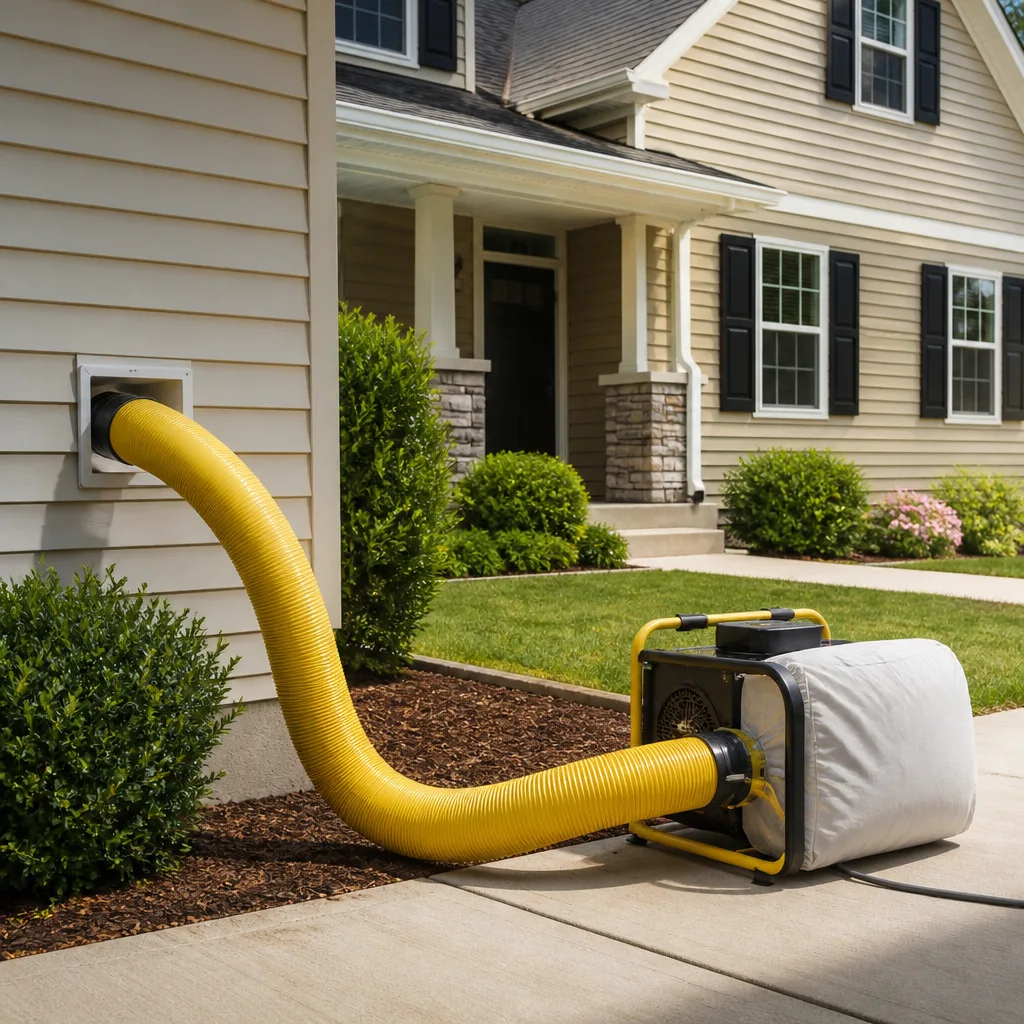 Whole-home duct cleaning
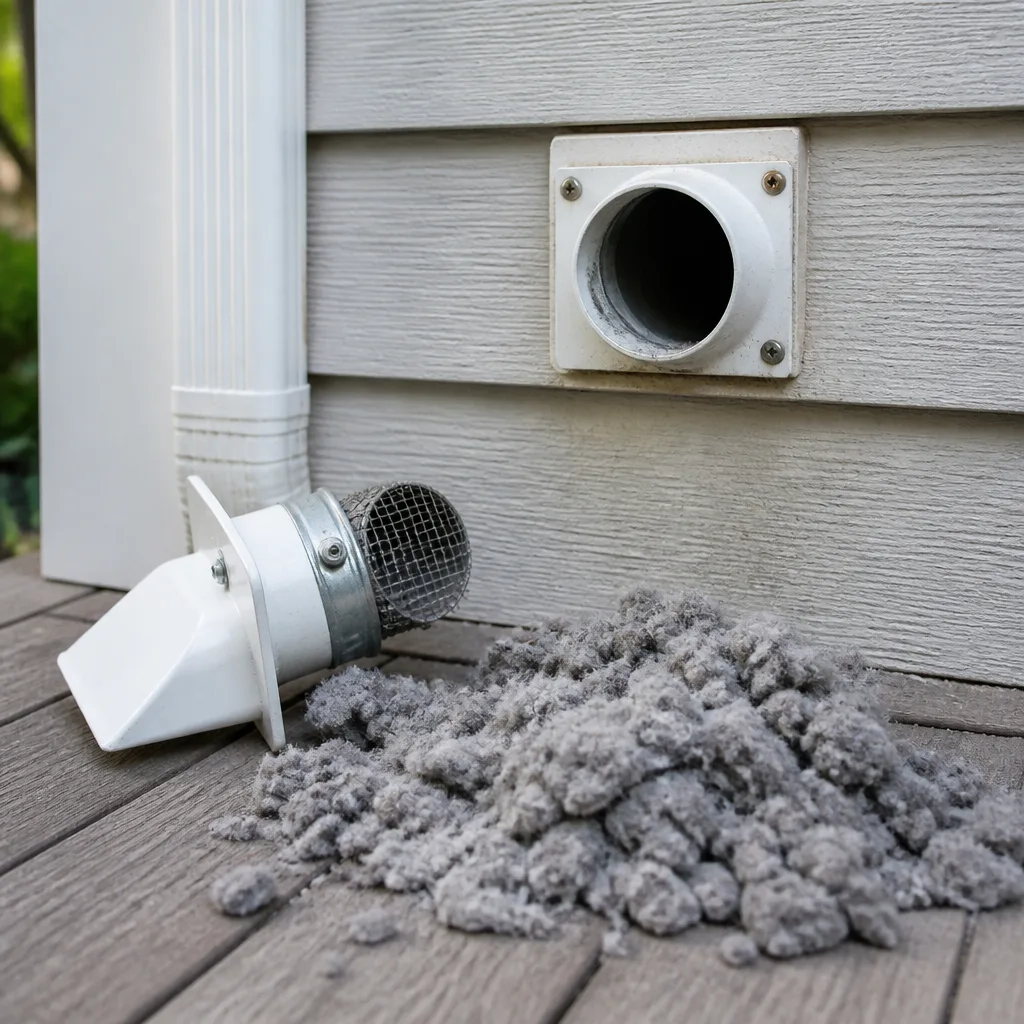 Dryer vent cleaning
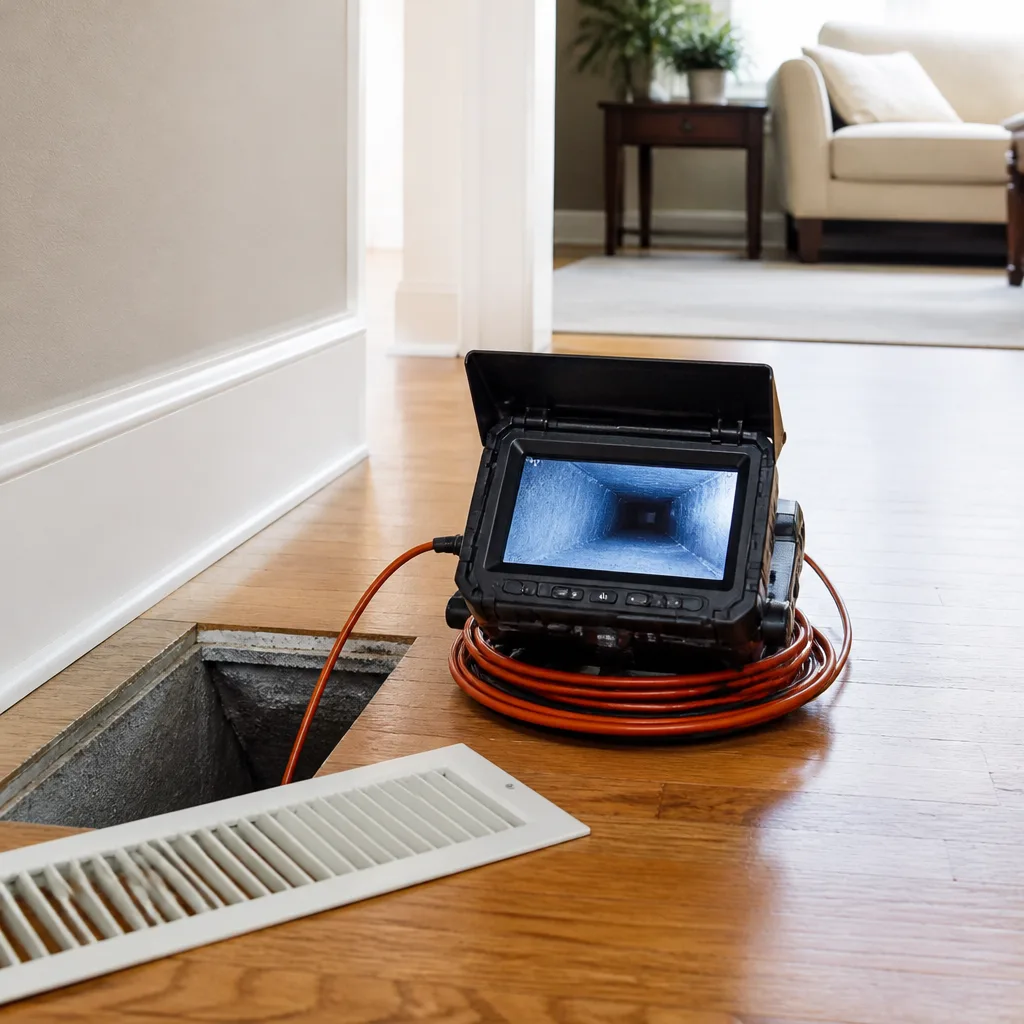 Camera inspection
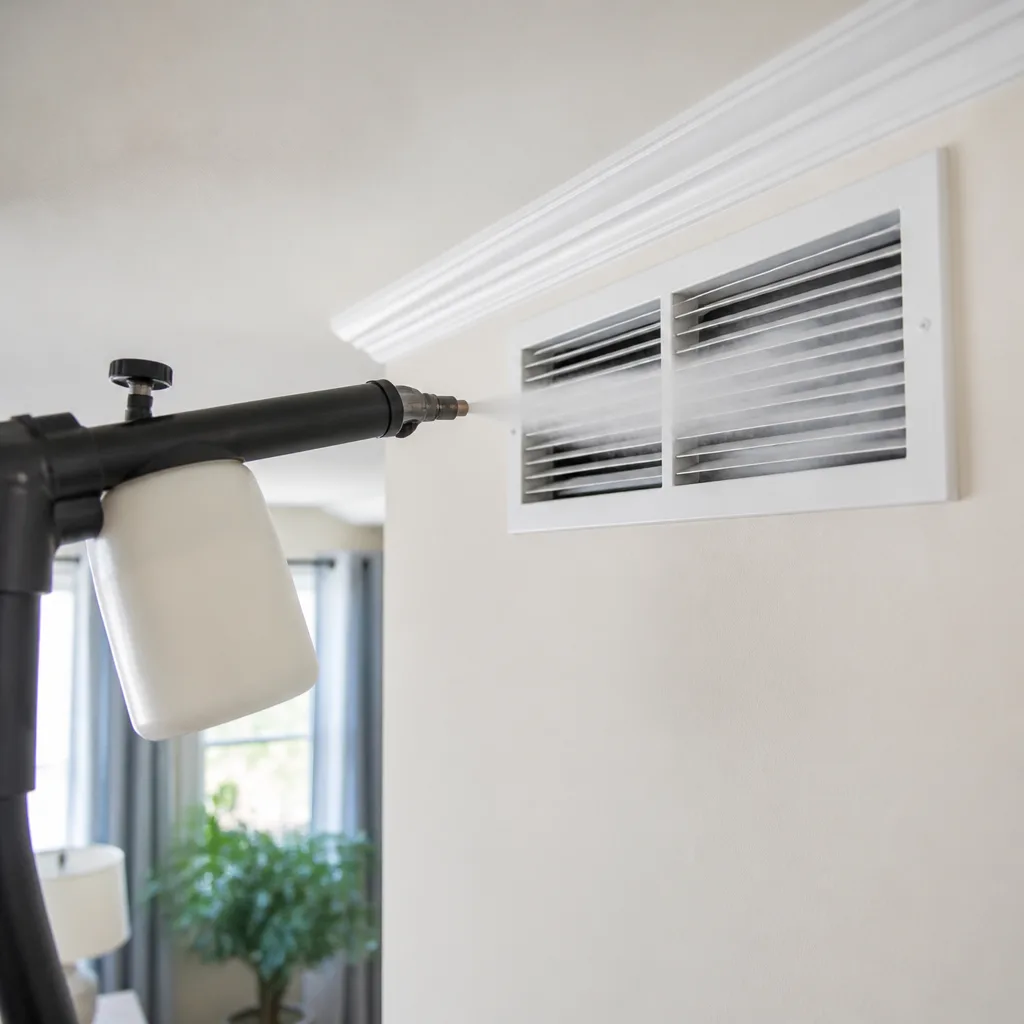 Sanitizing & deodorizing
Whole-system duct and dryer vent check with before-and-after photos - you see exactly what came out of your vents
That "$99 whole-house special" is a bait ad - the real number appears once they are in your hallway, or the "clean" is a shop-vac at the register. We photograph the inside of your ducts before and after instead.
Air Duct Cleaning Maintenance Schedule: What to Do and When
Most homeowners in Tooele are told some version of “clean your ducts every three to five years and forget about it.” The problem with that advice is that it was built for a house in a climate with average dust, average sealing, and no winter inversion season. Tooele Valley sits in a natural air basin, and when cold air settles under a warm layer through the heating months, particulate from wood smoke, road grit, and construction dust has nowhere to go. Some of it ends up in your duct system. A calendar date can’t see that. A condition trigger can. This guide shows you how to read your own system and build a maintenance schedule that responds to what’s actually happening in your house, not to a number on a wall.
Quick Answer
For most Tooele homes, a full duct cleaning every three to five years is a starting point, not a rule. The better approach: clean when a condition trigger fires (renovation, pest evidence, HVAC replacement, a new pet, or the end of inversion season) and inspect at fixed seasonal checkpoints. Homes with pets, allergies, recent remodels, or heavy winter wood-burning should expect closer to every two to three years. Homes with no pets, good filtration, and no recent work can often stretch longer, provided the system is inspected once a year and sealed properly.
Styles & brands we work with
- Whole-home duct cleaning
- Dryer vent cleaning
- Camera inspection
- Sanitizing & deodorizing
Table of Contents
- Why a Generic Schedule Doesn’t Fit Tooele
- The Five Condition Triggers That Reset Your Schedule
- What the Return Air Filter Tells You Monthly
- A Seasonal Task Calendar for Tooele’s Climate
- How to Log a Duct Condition Baseline After Cleaning
- What You Can Do Yourself vs. What Needs Contractor-Grade Equipment
- Signs Your System Needs Attention Before the Schedule Says So
- Choosing a Maintenance Style That Fits Your Home
Why a Generic Schedule Doesn’t Fit Tooele
Tooele is not a bad place to own a home. It’s a place with a specific set of conditions that wear a duct system faster than the national averages those “3 to 5 year” charts were written around. Tooele Valley’s geography is the biggest one. The valley acts like a bowl. Through the cold months, a temperature inversion can hold a layer of cool, dense air near the ground while warmer air sits above it. That trapped layer collects whatever is being emitted below it: fireplace and wood-stove smoke, vehicle exhaust, and the fine dust that comes off graded dirt and gravel shoulders around new development.
Tooele’s building pattern matters too. The city has grown steadily, and new construction brings drywall dust, joint compound fines, sawdust, and insulation fibers that a home’s ductwork gets exposed to during the build and first year of settling. A brand-new Tooele house can carry more debris in its ducts than a twenty-year-old one. That’s not a knock on the builder. It’s physics.
And Tooele’s mix of older homes near the historic downtown and new subdivisions on the valley’s edges means duct condition varies enormously from street to street. A 1950s house on a crawl space, a 1990s build with flex duct, and a 2020s new build with a sealed envelope all need different schedules. That’s why we treat the maintenance question as a decision tree rather than a fixed calendar. When we plan an air duct cleaning for a Tooele home, the first thing we want to know is the house’s condition history, not the date of the last cleaning.
What the National Advice Gets Wrong
National “every 3 to 5 years” schedules assume average indoor air and average filtration. They don’t account for a valley that traps particulate, a warm-season dust coming off the Oquirrh foothills, or a home that just finished a kitchen remodel. The number works as a fallback. It’s not a plan.
The Five Condition Triggers That Reset Your Schedule
Treat these five triggers as the events that override elapsed time. If any of them happens, put your duct system on the inspection list now, even if it was cleaned last year.
- Renovation or remodeling. Any project that opens walls, cuts drywall, sands joint compound, or roughs in new plumbing or electrical sends fine dust through the home’s air. The system pulls that dust into returns and deposits it deep in duct runs. Even a single kitchen remodel can push a lot of material into the ducts.
- Pest evidence. Droppings, nesting material, or gnaw marks near registers, returns, or the air handler are a reason to inspect and clean immediately. Rodents and insects move through duct chases. A system that has hosted them needs mechanical cleaning, not a scent cover.
- HVAC equipment swap. When a furnace, air handler, or coil is replaced, the ducts are opened up and the new equipment deserves a clean start. Sealing gaps in the duct system at the same time is the best chance you’ll have to reduce leakage around the new unit.
- A new pet. One dog or cat can double the amount of hair and dander entering the return. If the pet sheds, or if anyone in the house is sensitive to dander, plan on a cleaning sooner than the last one suggests.
- Post-inversion season. Once the heating months ease in Tooele and the valley’s trapped particulate clears, that’s the natural time to have the system checked and cleaned. Everything that settled into the ducts through the inversion comes out at once, so the cleaning catches the accumulated load before the cooling season begins.
These triggers compound. A remodeling project in a home with a shedding dog, followed by an inversion-heavy winter, is a much bigger load than any one of those on its own.
What the Return Air Filter Tells You Monthly
The single most useful maintenance habit in a Tooele home costs nothing: look at the return air filter once a month and look at the slot it sits in.
What a filter can tell you about the system behind it:
- A filter that’s grey and loaded in under a month means the system is pulling a lot of particulate. That’s a sign the ducts are also collecting it.
- A filter that’s clean but the slot around it is dusty means air is bypassing the filter, usually through a poor gasket or an oversized slot. Unfiltered air is carrying dust straight into the ducts and the coil.
- Black specks or rust streaks inside the return boot can point to moisture in the system or, in some cases, to pest activity.
- A filter that’s still nearly white after two months suggests your home is tight and clean. It’s also a reason to inspect yearly, since less debris at the filter isn’t proof of less debris deeper in the system.
When you change the filter, run a clean cloth along the inside of the return boot. If the cloth comes out heavily grey after a month, that’s a data point in favor of cleaning sooner than the calendar says. We recommend a mid-efficiency pleated filter changed on a schedule you’ll actually keep, and we’ll talk about filter ratings honestly rather than pushing the highest-priced option.
A Seasonal Task Calendar for Tooele’s Climate
Tooele’s year has three natural checkpoints for the air system. Work them into your household routine just like you’d work in a furnace filter change or a smoke alarm check.
Before Heating Season (Late Summer to Early Fall)
- Inspect and change the return filter.
- Walk the house and check each register for visible dust, pet hair, or debris.
- Look at supply and return grilles for signs of tampering or pest activity.
- Have the furnace and duct system looked at if it hasn’t been serviced since last winter. A professional HVAC cleaning before heating season catches debris and coil loading before the system runs hard.
- Confirm your ducts are sealed well enough to keep warm air where it belongs. Loose joints waste energy.
Before Cooling Season (Spring)
- Check the filter again. Warm-season dust and pollen are different from what winter delivers.
- Check the condensate line and drain pan area for signs of moisture or growth.
- Have a duct inspection done if the previous cleaning was more than two years ago.
- If you use a whole-home IAQ product, swap filters and check sensor readings. Aprilaire and Honeywell components should be inspected once a year.
After Inversion Season (Early Spring)
- This is the natural time for a cleaning in Tooele. Any debris the system accumulated through the winter is best removed now.
- Walk the return and supply boots again and note any changes since fall.
- Log what you see. That entry becomes next year’s baseline.
The calendar should flex. If the heating season runs longer than usual and the wood stove gets heavy use, shift the cleaning earlier. If the winter was mild and the house was empty for months, the system may only need a check.
How to Log a Duct Condition Baseline After Cleaning
You can’t tell if a system is getting worse unless you know what “good” looks like. After a professional cleaning, take ten minutes to record a simple baseline. Keep the record where you’ll find it: a note in your phone, a folder with the HVAC paperwork, or a page taped inside the furnace closet door.
- Photograph each register and return. A picture with the grille in place and one with it removed. Note the date.
- Note the filter type and date of change. Write down the brand, the MERV rating, and when it was put in.
- Record the receiver readings if your system has a pressure or static reading from the technician’s report. Changes over time point to duct loading or leakage.
- Note any musty odor, whistling, or uneven airflow room by room. “The home office gets less air than the master bedroom” is a baseline observation.
- Write down the date of the cleaning and what was done, including any sealing or sanitizing.
You don’t need a spreadsheet. You need a reliable record so that when a technician comes back in three years, they can compare to something concrete. In our experience, the homeowners who get the longest useful life out of their duct systems are the ones who do this simple logging habit. It turns “should we clean it?” into “is it actually worse than last time?”
If part of the cleaning included sealing gaps, log the areas that were sealed. Those notes help you spot if sealant has failed or a joint has opened up again.
What You Can Do Yourself vs. What Needs Contractor-Grade Equipment
Some of this maintenance is genuinely homeowner work. Some of it is not. Trying to do the latter with a shop vac and a brush from the hardware store can make things worse by pushing debris deeper or coating the living room with dust.
Reasonable Homeowner Tasks
- Change the return air filter on schedule.
- Vacuum register and return grilles with a brush attachment.
- Wipe down accessible boots and grille frames.
- Keep the furnace closet dry and free of clutter.
- Record observations in your baseline log.
- Replace filters on an IAQ product (Honeywell and Aprilaire systems typically have scheduled filter swaps in the owner’s manual).
Tasks That Need Professional Equipment
- Mechanical cleaning of the duct interiors. A rotary brush system like Rotobrush is built to work the whole run without shredding flex duct. A consumer vac can’t reach past the first elbow.
- Negative-air containment. Abatement Technologies units keep loosened debris inside the duct system while it’s being worked. Without negative pressure, the dust you knock loose ends up in your living room. Negative-air containment keeps the job in your ducts, not in your living room.
- Deep sanitizing after cleaning. Guardsman-grade sanitizing products are applied by a technician after the mechanical work is done, with attention to the correct dwell time and coverage.
- Sealing gaps and repairing leaks. Modern duct sealing is precise work. Mastic and proper sealing tape applied to the right spots stop energy loss; DIY patch jobs often miss the worst leaks.
- Cleaning the HVAC unit itself including the coil, blower, and plenum. Coil fins are fragile, and improper cleaning can damage them.
One related maintenance task deserves its own place on your calendar: dryer vent cleaning. Lint buildup in a dryer vent is a fire risk and a dryer-efficiency problem, and it should happen about once a year for most households. It’s not part of the HVAC duct system, but it belongs in the same maintenance season.
Signs Your System Needs Attention Before the Schedule Says So
Your house will tell you when the ducts need work, regardless of what the calendar says. Watch for these signals, which in Tooele tend to cluster at the end of winter and again after any major remodel.
- Visible dust at registers within days of cleaning them. If the grille is dirty again in a week, the debris is coming from behind it.
- A musty smell when the system runs. Odor usually points to moisture, microbial growth, or debris accumulation somewhere in the pathway.
- Uneven airflow. Rooms that used to heat well and now lag are often on a leaky or blocked branch.
- Whistling or whooshing at registers. Often a sign of restricted flow or a leak at a joint.
- Increased utility bills without a change in habits. Your HVAC system works harder when your ducts leak or clog. That shows up on the bill before it shows up anywhere else.
- Allergy or asthma symptoms that get worse in the house. That’s a reason to inspect. It’s not proof on its own, but it’s a good prompt.
- Recent pest sightings or droppings. Treat as a trigger, not a symptom to monitor.
One practical note on safety: if you’re ever looking inside a furnace cabinet, remember that a furnace contains gas lines and electrical components. Any work on the gas side or the wiring belongs to a trained professional. Even opening the cabinet for a look should stay limited to what the manufacturer’s manual says a homeowner can safely do.
Choosing a Maintenance Style That Fits Your Home
Three approaches work, and each one suits a different kind of household. Pick the one that matches your home, then stick with it.
Calendar-Based
You clean on a fixed interval (every three or four years) and inspect once a year. This works for a newer home with no pets, no smokers, no recent remodels, and a good filtration setup. The weakness is that a hidden event like a pest intrusion or a slow leak might slip past until the next scheduled date.
Trigger-Based
You clean when one of the five triggers fires, and otherwise you inspect yearly. This fits most Tooele homes, especially those with pets or anyone with respiratory sensitivity. It requires you to actually notice the triggers, which is why the monthly return filter check matters so much.
Condition-Based
You rely on a professional inspection with photos and measurements to decide when cleaning is due. It’s the most accurate option, and the best fit for property managers who handle multiple Tooele units. If you manage rentals, condition-based scheduling keeps units in consistent shape and gives you documented service records. Working with Honeywell and Aprilaire compatible IAQ systems makes sense if you control multiple units, since consistent parts and filters across buildings simplify maintenance.
None of these approaches is right for every house. The best fit is the one you’ll actually keep up with.
Common Mistakes to Avoid
- Following the “every 5 years” rule with no inspection in between. A five-year gap is fine for the average empty-nest home and far too long for a home with a shed-heavy dog and a recent kitchen remodel. Inspect yearly even if you clean rarely.
- Judging the system only by the return filter. The filter is one data point. Filters often bypass air, in which case the filter looks good while the ducts behind it fill up.
- Taking a coupon-driven cleaning and assuming it’s the same service. Blow-and-go cleaning pops the line to the vent and calls it done. Mechanical cleaning and negative-air containment take longer, and that’s the whole difference between cleaning and dusting.
- Ignoring sealing after cleaning. Clean ducts are only half the job. An unsealed duct system leaks again quickly. Plan for sealing if the ducts are leaky.
- Skipping the sanitizing step after mechanical cleaning. Sanitizing with Guardsman-grade products after mechanical cleaning is what addresses odor and microbial concerns. Skipping it leaves the root cause for a musty smell in place.
- Not logging the baseline. Without a record, you’re guessing whether the system is worse than before. Ten minutes of notes saves you guessing later.
- Doing the cleaning with a shop vac and a drill brush. This is one of the highest-risk DIY moves in home maintenance. It sends loosened debris into the living space and can damage flex duct. Contractors use equipment like Rotobrush and Nikro systems for a reason.
See the difference
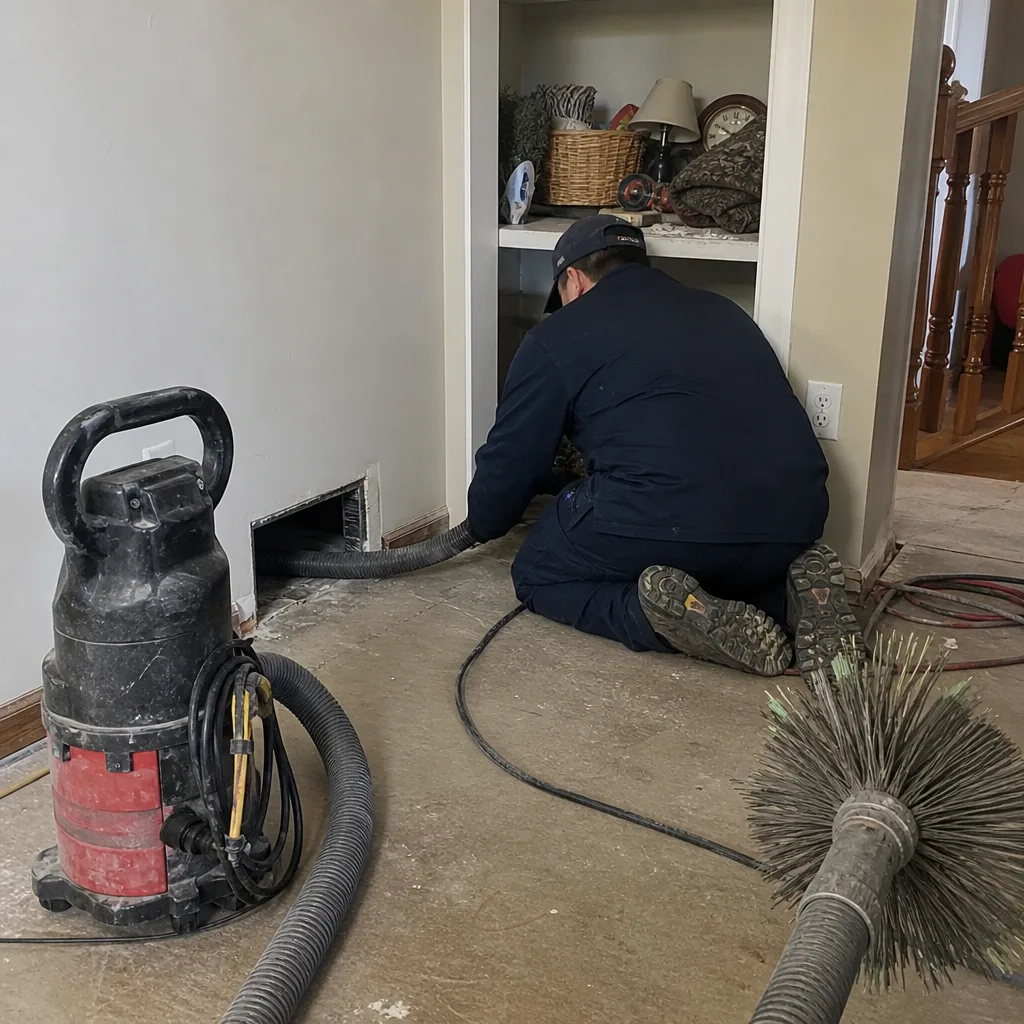 Before
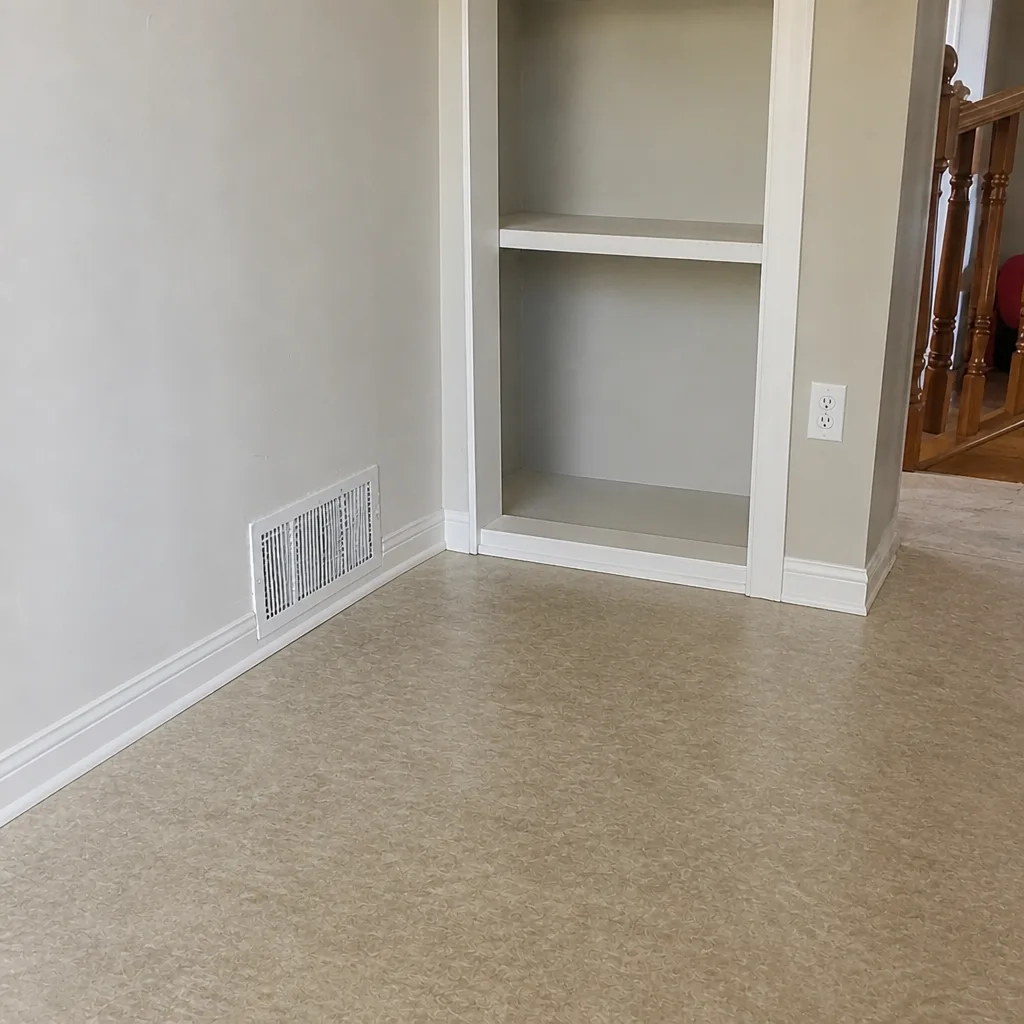 After
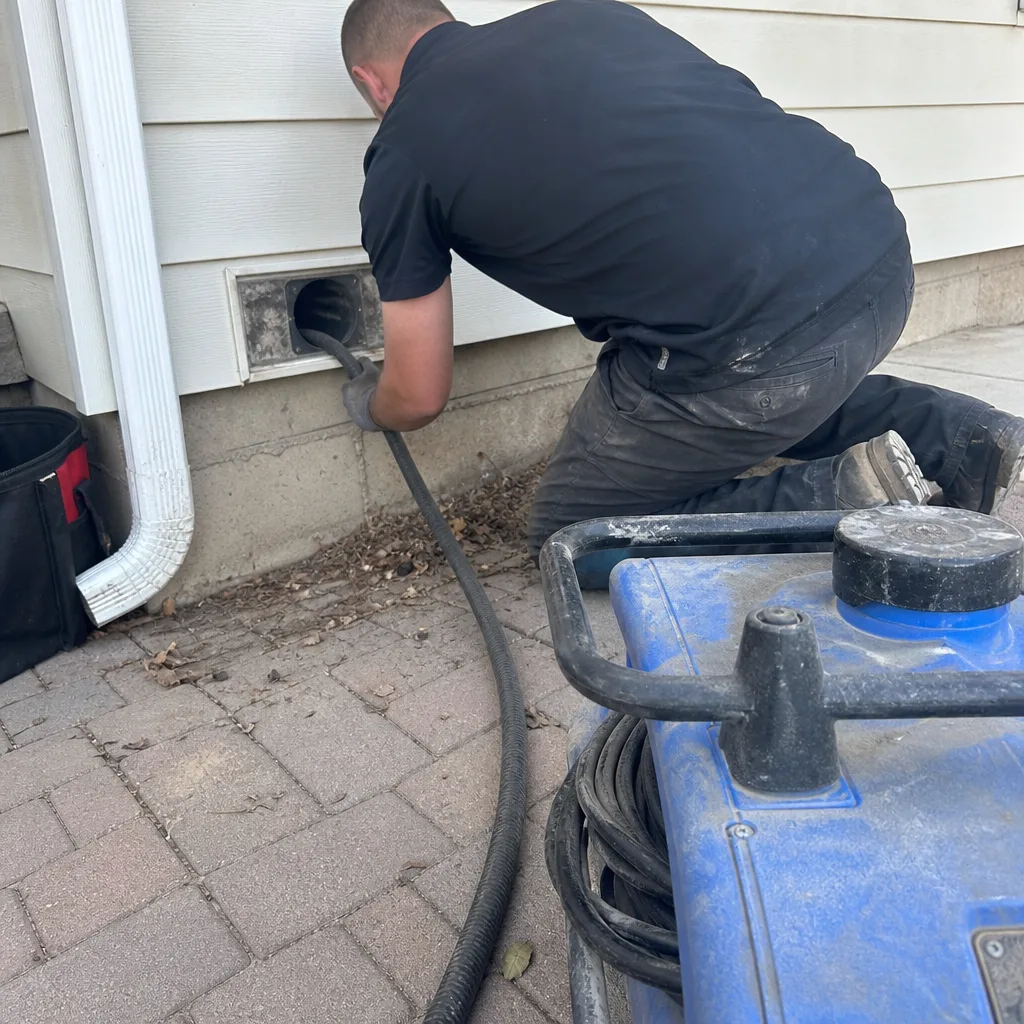 Before
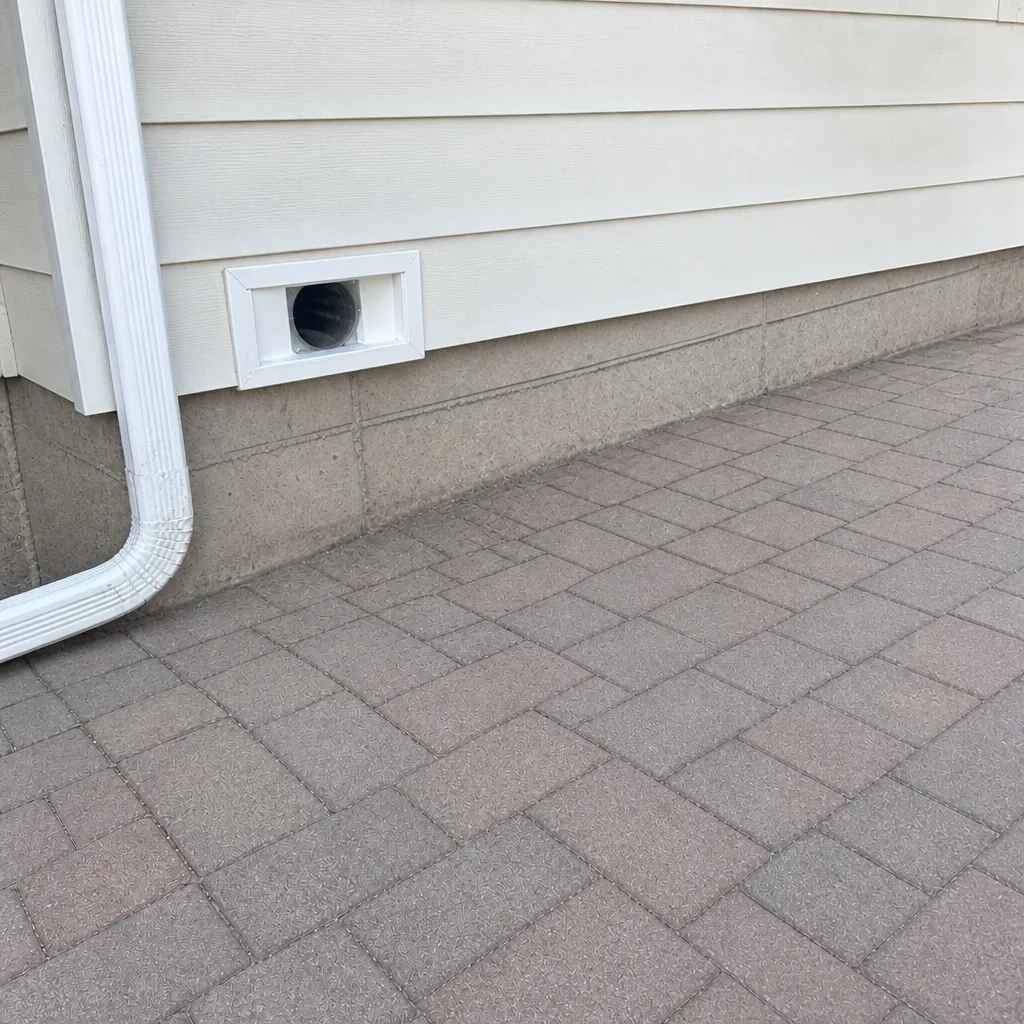 After
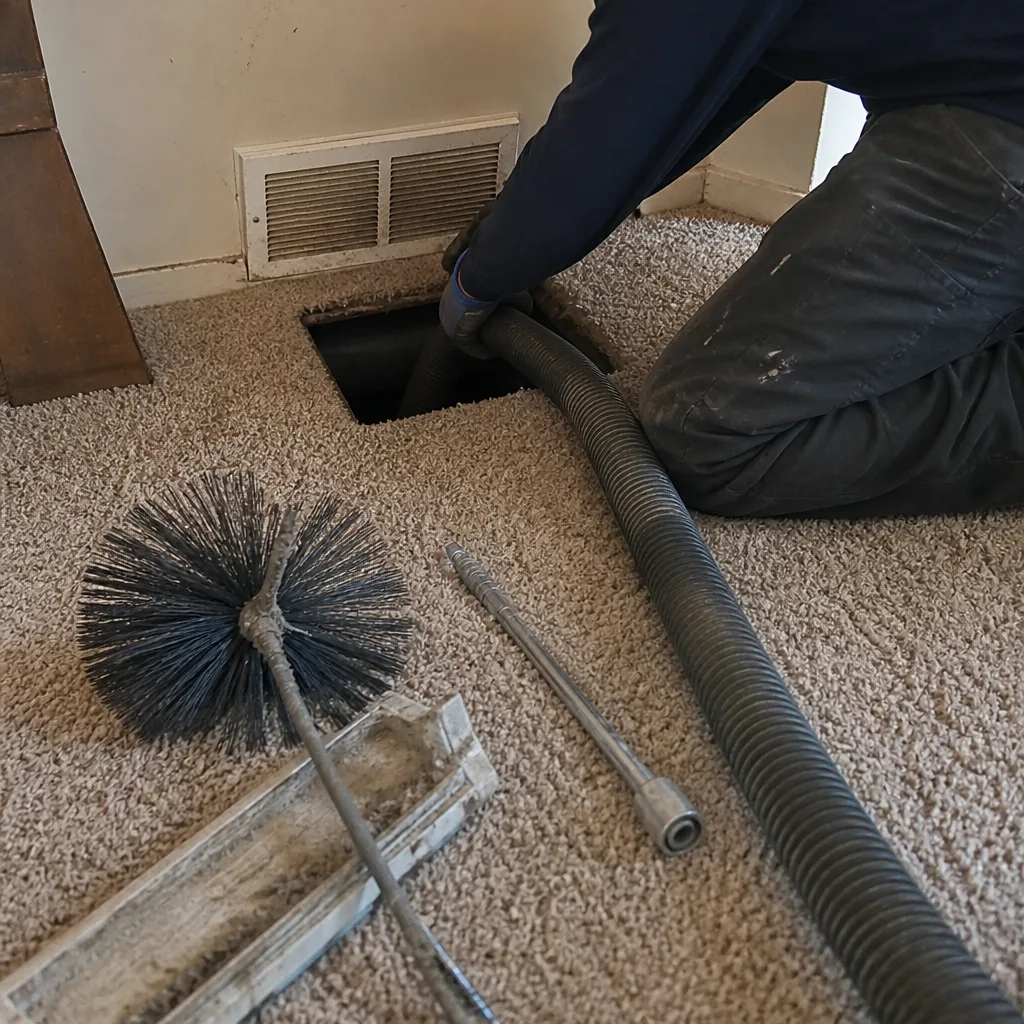 Before
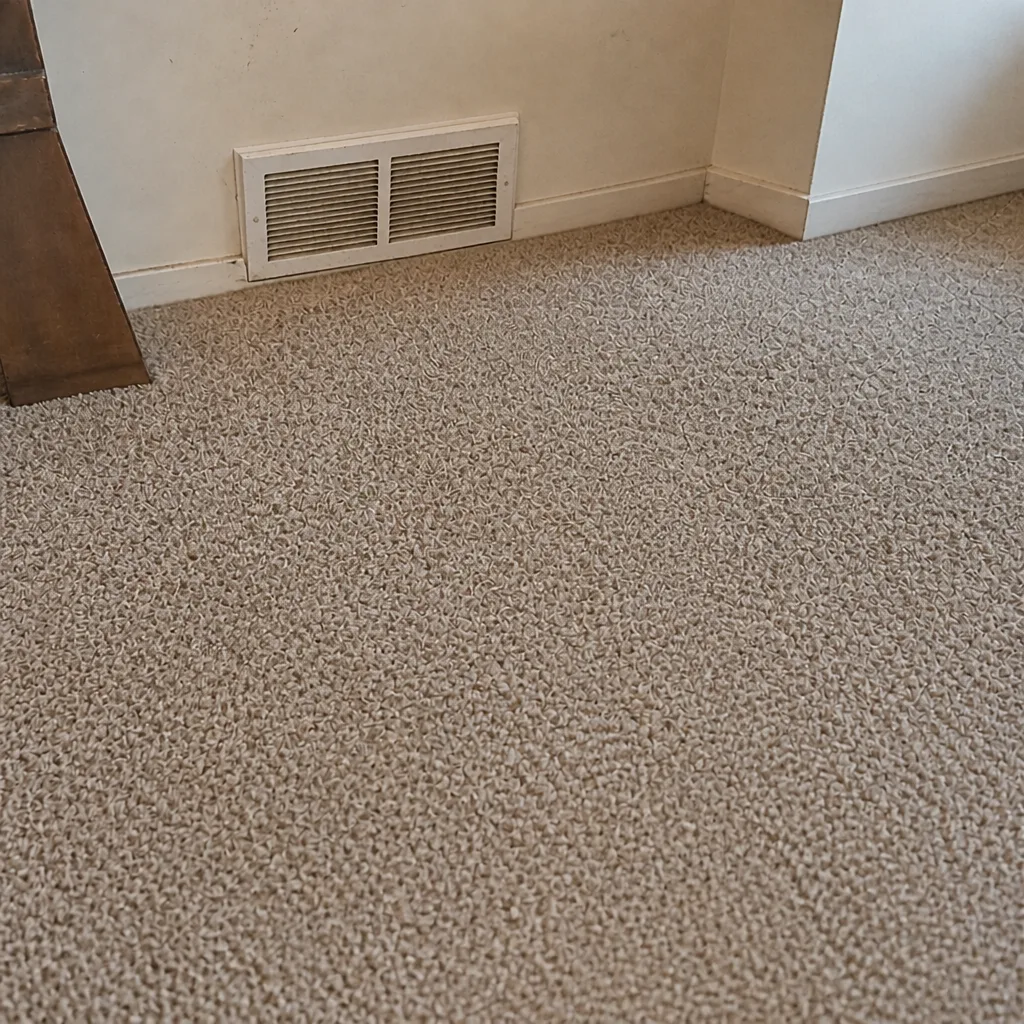 After
When to Call a Professional
Call a professional when you see pest evidence in the ducts, when a home has just finished a major remodel, when someone in the household has developed allergy symptoms that worsen indoors, when the system has never been cleaned and the home is more than a decade old, or when a UV or IAQ product needs service beyond a filter change. Call also if you’ve noticed musty odor, uneven airflow, or rising bills. Those point to deeper problems than a filter change can fix. Tooele Air Duct Cleaning offers free estimates in Tooele – call (855) 658-4369. We answer 24/7. Fast dispatch from 7am to 7pm, Sunday through Friday.
If you suspect the job needs sealing or repair as well as cleaning, tell us when you call. We can plan for both so the visit doesn’t stop at the surface level. Sealing and repair combined with cleaning addresses the root cause of leakage, not just the dust you can wipe off a grille.
Frequently Asked Questions
Most Tooele homes do best with a full cleaning every three to four years, though the schedule should shift earlier after a remodel, a pest intrusion, an HVAC replacement, a new pet, or a heavy inversion season. Homes with pets or allergy sufferers often benefit from every two to three years. Call (855) 658-4369 for an exact quote – estimates are free.
Annual cleaning is usually excessive for a household with no pets and no recent remodeling. Annual inspection is a different story and makes sense for most Tooele homes. Inspect once a year, clean on condition triggers, and you’ll rarely be surprised. Call (855) 658-4369 to schedule an inspection.
Cheap quotes usually reflect a different service: blow-and-go work that dislodges dust at the register without mechanical cleaning or containment. A real cleaning uses contractor-grade rotary brushes and negative-air filtration, which costs more to operate. A single flat price per system, agreed before work starts, keeps the invoice predictable. Call (855) 658-4369 for an exact quote.
Ask for before-and-after photos of your own ducts, not stock images, and ask for a written summary of what was cleaned. Reputable crews photograph the runs before they start and again after cleaning. We include before-and-after photos with every job. Call (855) 658-4369 to book a cleaning.
It helps the home side of the problem, not the outdoor side. Cleaning removes accumulated particulate from the ducts and sanitizing addresses odor and microbial concerns, but outdoor air quality is beyond any HVAC service. What cleaning does is keep the system from recirculating what has already collected inside it. Call (855) 658-4369 for an exact quote.
Yes. Remodeling sends drywall dust, joint compound fines, and insulation particles into the return system, and those materials collect deep in duct runs where a normal vacuum can’t reach. Clean after the dust has settled, not during the final walkthrough. Call (855) 658-4369 to schedule post-remodel cleaning.
The Bottom Line
A fixed “every three to five years” schedule is a reasonable default and a poor plan. Tooele’s inversion seasons, new-construction dust, and variability from historic downtown homes to newer subdivisions mean the right schedule is event-driven and condition-based. Use the five triggers (remodel, pest evidence, HVAC swap, new pet, post-inversion season) to decide when to clean, and use the monthly return filter check plus a simple baseline log to know how fast your system is accumulating debris. Handle filters and grilles yourself; leave mechanical cleaning, negative-air containment, sanitizing, and duct sealing to a crew with contractor-grade equipment. If you’re not sure where your system stands, a free estimate is the fastest way to find out. Call (855) 658-4369. We answer 24/7. Fast dispatch from 7am to 7pm, Sunday through Friday.
Whichever maintenance style fits your home, the goal is the same: fewer surprises, better comfort, and lower energy bills. When you’re ready for a professional look, we’re glad to help. Our technicians have up to 9 years of experience, and we use Rotobrush and Nikro systems, Abatement Technologies filtration, and Guardsman sanitizing products on every job. If your ducts need repair or sealing too, we handle that as part of the visit. Clean ducts are only half the job, and the other half is what keeps the system efficient year after year. Visit Tooele Air Duct Cleaning to learn more about the full service menu, or call (855) 658-4369 for a free estimate.
Written by the team at Tooele Air Duct Cleaning.