
Last updated November 23, 2026
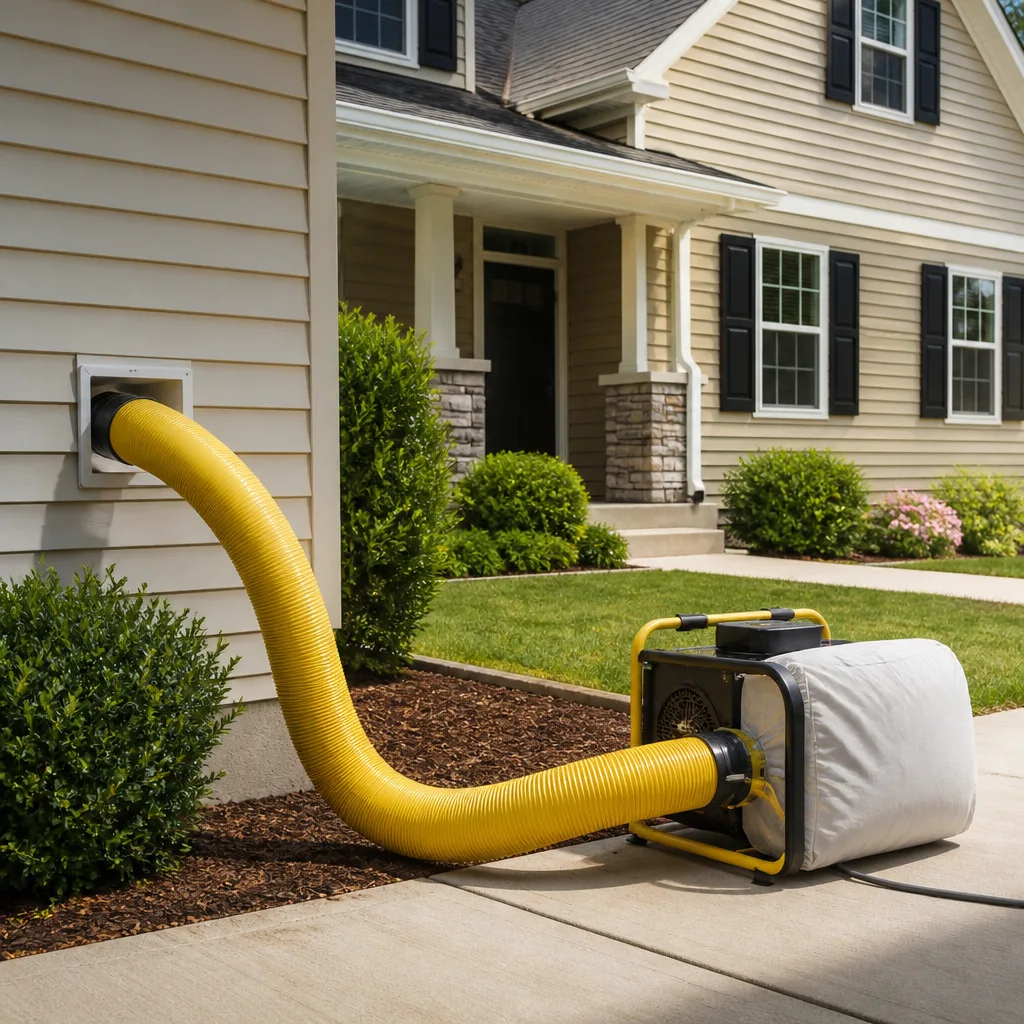 Whole-home duct cleaning
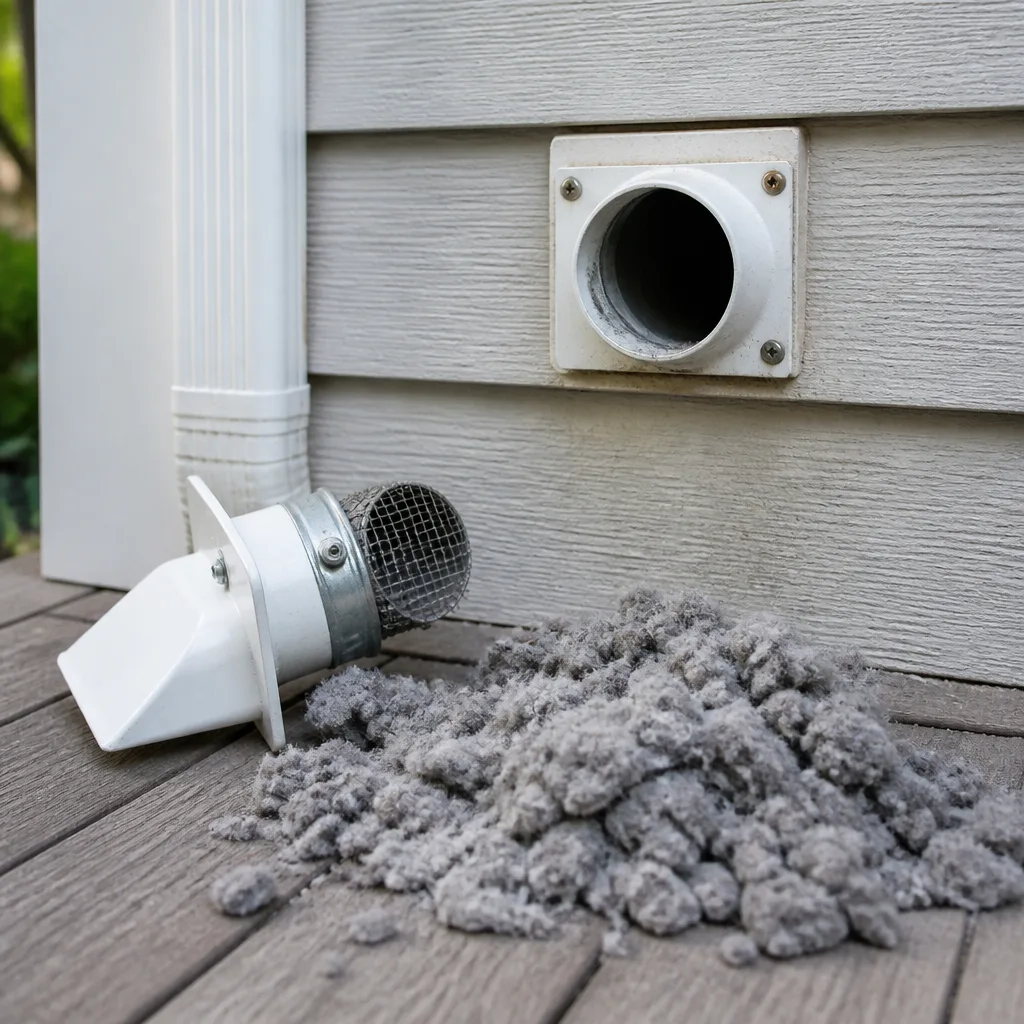 Dryer vent cleaning
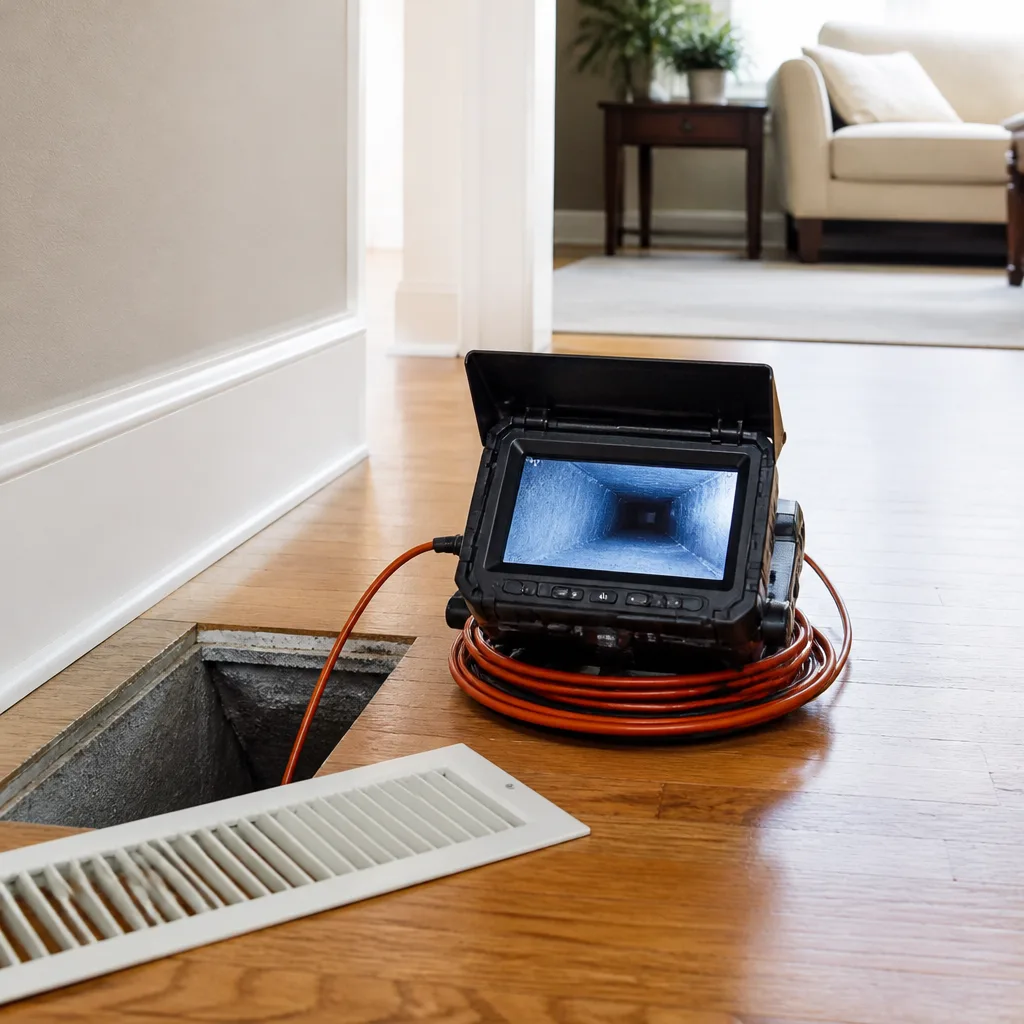 Camera inspection
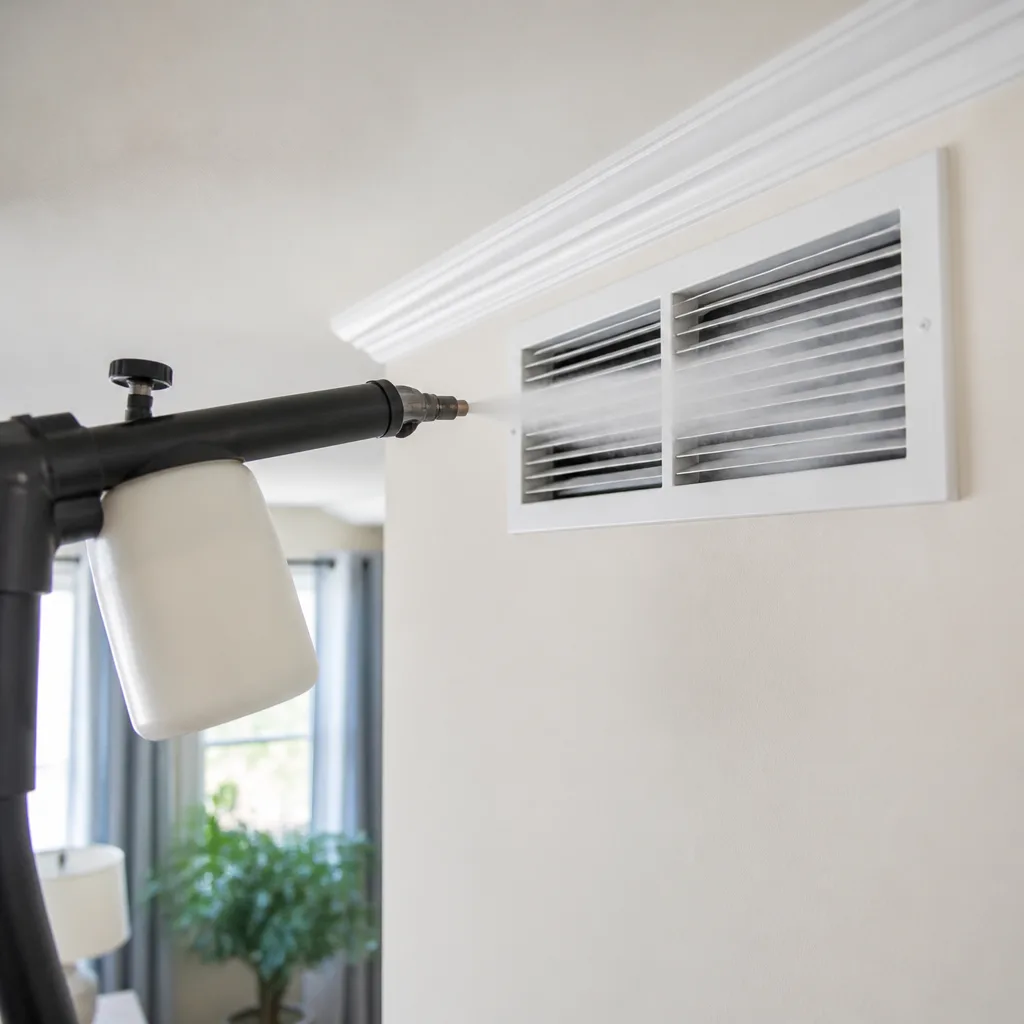 Sanitizing & deodorizing
Whole-system duct and dryer vent check with before-and-after photos - you see exactly what came out of your vents
That "$99 whole-house special" is a bait ad - the real number appears once they are in your hallway, or the "clean" is a shop-vac at the register. We photograph the inside of your ducts before and after instead.
Air Duct Cleaning Troubleshooting in Tooele: Common Problems and How to Fix Them
If one room in your Tooele home is always 5 – 8°F colder than the thermostat setting, the problem is almost never the furnace. It’s almost always the duct path feeding that room. Most homeowners in Tooele start by calling an HVAC repair company when airflow drops or a room won’t heat, and they end up paying for a tune-up on equipment that was working fine all along. The ducts were the issue. This guide shows you how to read the symptoms your duct system is broadcasting, tell a dirty duct apart from a damaged one, and decide whether you need cleaning, repair, or a full inspection before you book anything.
Quick Answer
Most air duct problems in Tooele come down to one of four causes: accumulated dust and debris restricting airflow, disconnected or sagging flex duct in the crawlspace, leaking seams at joints and boots, or microbial growth producing odors. You can often narrow it down yourself by comparing airflow at each register and noting what the air smells like. If airflow is weak at every register, the trunk line or the HVAC unit is the likely culprit. If it’s weak at one or two registers, the branch duct feeding those rooms is the problem. Cleaning fixes contamination. Repair and sealing fix airflow loss and leakage. Knowing which one you have saves you from paying for the wrong service.
Styles & brands we work with
- Whole-home duct cleaning
- Dryer vent cleaning
- Camera inspection
- Sanitizing & deodorizing
Table of Contents
- How to Tell a Dirty Duct from a Damaged One
- What Your Duct Odors Are Telling You
- Why Tooele’s Clay Soil Causes Duct Problems
- The Visual Inspection You Can Do Before Calling Anyone
- When Cleaning Won’t Fix It: Static Pressure and Duct Sizing
- Duct Repair vs. Duct Sealing: What Each One Solves
- Sanitizing and Air Quality: When It’s Necessary
- Common Mistakes to Avoid
How to Tell a Dirty Duct from a Damaged One
The fastest diagnostic tool you own is your hand. Hold it over each supply register while the system runs and compare the push of air across every room. What you feel at each register tells you more about your duct system than any thermostat reading.
If airflow feels weak at every register in the house, the restriction is upstream. That points to a clogged trunk line, a dirty evaporator coil, a failing blower, or a filter that hasn’t been changed. If airflow is strong in most rooms but noticeably weak in one or two, the branch ducts feeding those rooms are the problem. That’s a duct issue, not an equipment issue.
A dirty duct and a damaged duct produce different symptoms, and the distinction matters because they require different services:
- Dirty duct symptoms: visible dust streaks around register grilles, dust settling on surfaces shortly after cleaning, musty smell that intensifies when the system runs, allergy symptoms that worsen indoors. Airflow is usually reduced but still present at every register.
- Damaged duct symptoms: one room that’s consistently 5 – 8°F off from the rest of the house, whistling or rushing sounds at a register, air blowing into the crawlspace instead of the room, a register that produces almost no airflow while others are strong. Dust may or may not be visible.
- Both at once: weak airflow everywhere plus a musty odor. This is common in older Tooele homes where the duct system has been running for years without attention. In this case, cleaning and repair both need to happen.
The register comparison takes about ten minutes and tells you which direction to look. Strong at the plenum, weak at the far end of the trunk, or strong at most registers and weak at one or two: those are different problems with different fixes.
What Your Duct Odors Are Telling You
Odors are diagnostic. The type of smell narrows the cause faster than anything else you can observe from inside the house. A musty smell, a burning smell, and a chemical smell each point to a different problem in the duct system.
Musty or earthy smell
This is the most common complaint in Tooele and the most straightforward to explain. Musty odors usually mean moisture is present somewhere in the system. In this climate, the source is rarely outdoor humidity. It’s more often condensation on the evaporator coil during cooling season, a clogged condensate drain that lets water pool, or damp insulation inside a duct run that has been sweating. Once moisture sits in the duct lining or on the coil, microbial growth follows. Cleaning removes the contamination, but sanitizing treats the surfaces that harbored it. Until the moisture source is corrected, the smell returns.
Burning or hot smell
A burning smell when the heat first comes on is often just dust burning off the heat exchanger at the start of the season, and it fades within a few minutes. A burning smell that persists, or that appears while the system has been running for a while, is different. It can indicate the blower motor overheating, a failing component, or debris contacting a hot surface. Turn the system off and get it looked at. Duct cleaning won’t fix a burning smell that isn’t dust, and running the system while it happens risks damage.
Chemical or solvent smell
Chemical odors from registers are usually off-gassing from new building materials, recently installed flooring or cabinetry, or a renovation that pulled fumes into the return system. In Tooele, where quite a few homes have had additions or basement finishes done, this comes up more than you’d expect. The duct system is moving air from a space that still smells like the work that happened there. A cleaning removes the debris and any dust that absorbed the odor. If the smell persists after that, the material itself is still off-gassing, and the fix is ventilation and time, not duct work.
The key distinction: a smell that’s present only when the system runs points to the ducts or the air handler. A smell that’s present whether the system runs or not points to the room itself.
Why Tooele’s Clay Soil Causes Duct Problems
Tooele sits on clay-heavy soil, and that matters for your duct system more than most homeowners realize. Clay expands when it’s wet and contracts as it dries. That cycle happens through the seasons here, and it moves the ground under and around a foundation. Homes with crawlspace duct systems feel it directly, because flex duct runs supported above that ground can shift, sag, and pull loose as the soil beneath them moves.
What happens is specific. Flex duct is typically hung or supported along the crawlspace joists or laid over the vapor barrier. When the ground beneath settles or heaves, supports loosen, duct sections sag, and the inner liner can collapse or kink at a bend. A kinked section acts like a partial dam. Airflow drops to whatever rooms that run feeds, and the rest of the house is fine. You’ll notice it as a room that never gets comfortable, not as a system-wide failure.
You can identify this without going under the house, which matters because crawlspaces have their own hazards and aren’t for casual inspection:
- Compare register airflow by room. A single underperforming room, especially one at the far end of the house from the furnace, is the classic sign of a restricted branch run.
- Listen for surging. If airflow at a register rises and falls slightly on its own, the duct may be partially obstructed or moving.
- Check for temperature swings tied to the season. A sag that’s minor in spring can worsen after a wet winter or a dry summer. If a room got colder this year than last, the ground under the house may have shifted.
- Look at the floor near the register. A gap between the boot and the subfloor, or a grille that sits loose, can indicate movement in the duct run below.
If several registers in one part of the house are weak and the ground there has been known to shift, a duct inspection in the crawlspace is the right next step. A technician can confirm a sag or disconnect in minutes once they’re under there. When the crawlspace ducting is the problem, air duct cleaning alone removes debris but won’t restore the collapsed section. That takes repair.
The Visual Inspection You Can Do Before Calling Anyone
You can gather most of what a technician needs to know before you pick up the phone, and doing so helps you describe the problem accurately and get the right service the first time. Use a flashlight and your phone camera. You don’t need to disassemble anything or enter the crawlspace.
- Turn the system on and let it run for a few minutes. You want steady-state airflow before you start comparing.
- Walk to every supply register and hold your hand about six inches away. Note whether the push feels strong, moderate, or weak. Write it down or snap a photo of each register to keep track.
- Photograph each register grille up close. Dust streaking, dark staining, or debris visible through the grille tells you the duct behind it is contaminated.
- Shine the flashlight into the register opening at an angle. You can usually see a short way down the branch duct. Look for visible dust accumulation on the duct walls, dark patches, or anything loose.
- Snap a photo down the duct with your phone. With the flash on, your phone camera can see farther in than your eye can, and the image is useful to show a technician.
- Note any smells when the system runs. Does a room smell different when the air handler kicks on than it does when it’s off? That’s duct-related.
- Check the filter. A clogged filter mimics a dirty duct. If it’s gray and matted, change it and recheck airflow before concluding anything.
- Check the return grille. It’s often dirtier than the supplies and tells you a lot about overall system contamination.
- Listen at the air handler. Rushing or whistling sounds there suggest a restriction or a leak near the unit.
Once you’ve done this, you’ll know which registers are weak, which rooms smell, and what the duct interior looks like from the register openings. That’s enough to have a useful conversation with any technician, and it makes it hard for anyone to sell you a service you don’t need.
When Cleaning Won’t Fix It: Static Pressure and Duct Sizing
There’s a specific situation where cleaning the ducts doesn’t restore airflow, and it’s more common in Tooele than most homeowners expect. If the ducts are clean and airflow is still weak, the problem isn’t dirt. It’s the duct system’s ability to move air, and that’s measured with static pressure, not with a vacuum.
Static pressure is the resistance air meets as it moves through the duct system. A technician measures it at the air handler with a manometer, comparing the pressure on the return side against the supply side. When static pressure is too high, the blower is working against a restriction it can’t overcome. The cause could be undersized ducts, too many sharp turns in a long run, a collapsed flex section, or a filter grille that’s too small for the system. Cleaning removes debris, but none of those causes go away because the ducts are clean.
Signs that cleaning won’t solve your airflow problem:
- Airflow is weak at every register, and the ducts are already clean or were recently cleaned.
- The blower is noticeably loud, or the system sounds strained even with a fresh filter.
- Airflow improves when you remove the filter entirely, which points to a filter or return restriction, not the ducts.
- A register produces almost no airflow regardless of what’s happening elsewhere in the house.
- The system short-cycles or struggles to reach setpoint even though every room is getting some air.
In these cases, the right next step is a diagnostic visit, not a cleaning. A technician running static pressure tests will find the restriction. Sometimes it’s a collapsed flex duct run that can be replaced. Sometimes it’s a system that was never sized right for the house, and the fix involves resizing or adding a return. Our technicians have up to 9 years of experience reading these systems and know the difference between a cleaning problem and an airflow problem.
Duct Repair vs. Duct Sealing: What Each One Solves
Repair and sealing overlap, but they address different failures. Knowing which one your duct system needs keeps you from paying for work that doesn’t match the problem.
Duct repair addresses structural failures. A disconnected flex duct in the crawlspace, a section that’s collapsed, a boot that’s pulled away from the floor, or ductwork that a contractor moved and never reconnected during a renovation. Repair reconnects, replaces, or rebuilds the damaged section so air flows where it’s supposed to.
Duct sealing addresses leakage at the joints and seams that are still connected but not airtight. Every joint in a duct system leaks a little, and in older Tooele homes, the cumulative leaks at seams, boots, and plenum connections can waste a significant portion of the air the system moves. Sealing closes those gaps with mastic, tape designed for ducts, or in some cases aerosol sealing applied by a technician.
The two work together, and the order matters. You repair first so the duct path is intact, then you seal so what’s left doesn’t leak. Cleaning comes before both, because sealing or repairing a duct full of debris just traps the debris in place. Our approach on every job follows that sequence: clean, inspect, repair what’s broken, seal what leaks, then address air quality if needed. That’s the full path, and it’s why we offer HVAC cleaning alongside duct repair and sealing, because the air handler and the ducts are one system and treating them separately leaves problems behind.
Leaking ducts cost you twice. The system runs longer to reach setpoint because conditioned air is escaping into the crawlspace or attic instead of the rooms, and you pay for that in energy bills. The leaks also pull unconditioned air, dust, and whatever else is in the crawlspace into the system. Sealing stops both. If your energy bills have crept up and no room is quite comfortable, leaky ducts are a likely explanation.
Sanitizing and Air Quality: When It’s Necessary
Mechanical cleaning removes the debris. It doesn’t kill the microbial growth that was living in that debris, and it doesn’t reach into every pore of a duct lining that’s been damp. That’s where sanitizing comes in, and knowing when you need it keeps you from paying for a treatment that isn’t called for.
Sanitizing makes sense when any of these are true:
- There’s a musty or moldy odor coming from the registers, not just dust.
- The ducts have had moisture intrusion, like a condensate leak, a roof leak, or a sweating coil.
- Someone in the house has allergies or respiratory sensitivity and the source appears to be the duct system.
- There’s been a water event in the home, and the duct system ran while it was damp.
- You’ve just bought the house and don’t know its history, and the ducts show signs of contamination.
Sanitizing that isn’t tied to contamination or moisture is a treatment without a target. We apply Guardsman-grade sanitizing products after the mechanical cleaning is complete, because sanitizer applied to a duct still full of debris never reaches the surface that needs it. For homes that want ongoing air quality control beyond a single treatment, we work with Honeywell and Aprilaire product lines, which include filtration and humidity control designed to work with the duct system rather than against it.
The order matters for a reason. Clean, then sanitize, then address the moisture source if there is one. Skip the moisture source and the growth returns. We follow the air start to finish, so the sequence doesn’t get shortcut.
Common Mistakes to Avoid
- Judging duct condition by the filter alone. A dirty filter gets blamed for airflow problems that actually live in the branch ducts. Change the filter, then recheck airflow before you conclude anything about the ducts.
- Calling an HVAC repair company first. A system that isn’t reaching setpoint gets diagnosed as an equipment problem more often than it should. Registers that are strong in some rooms and weak in others point to ducts, and a duct inspection should come before a repair bill for equipment that was working fine.
- Assuming a cleaning will fix weak airflow. If the ducts are collapsed, disconnected, or undersized, cleaning removes dust but leaves the restriction. The airflow doesn’t change, and you’ve paid for a cleaning that couldn’t have fixed it.
- Sanitizing before cleaning, or sanitizing without a moisture fix. Sanitizer applied to dirty ducts doesn’t reach the surface, and sanitizing a damp duct system without correcting the moisture source just means the growth comes back. Clean first, find the moisture, then treat.
- Sealing ducts before repairing them. Sealing a disconnected section traps the leak in place and wastes the sealing. Repair, then seal.
- Ignoring the crawlspace because it’s out of sight. In Tooele’s clay soil, the crawlspace is where a lot of duct problems originate. A run that’s sagged or pulled loose won’t show up anywhere else, and no amount of register-level inspection will tell you it’s there. If a room is consistently cold and the crawlspace hasn’t been checked, that’s the next step.
- Choosing on coupon price alone. A low headline price can mean a blow-and-go pass with a shop vacuum and no containment, which loosens debris into the living space and never reaches the trunk line. Contractor-grade equipment and negative-air containment are what make the difference between a cleaning that works and one that moves dust around.
See the difference
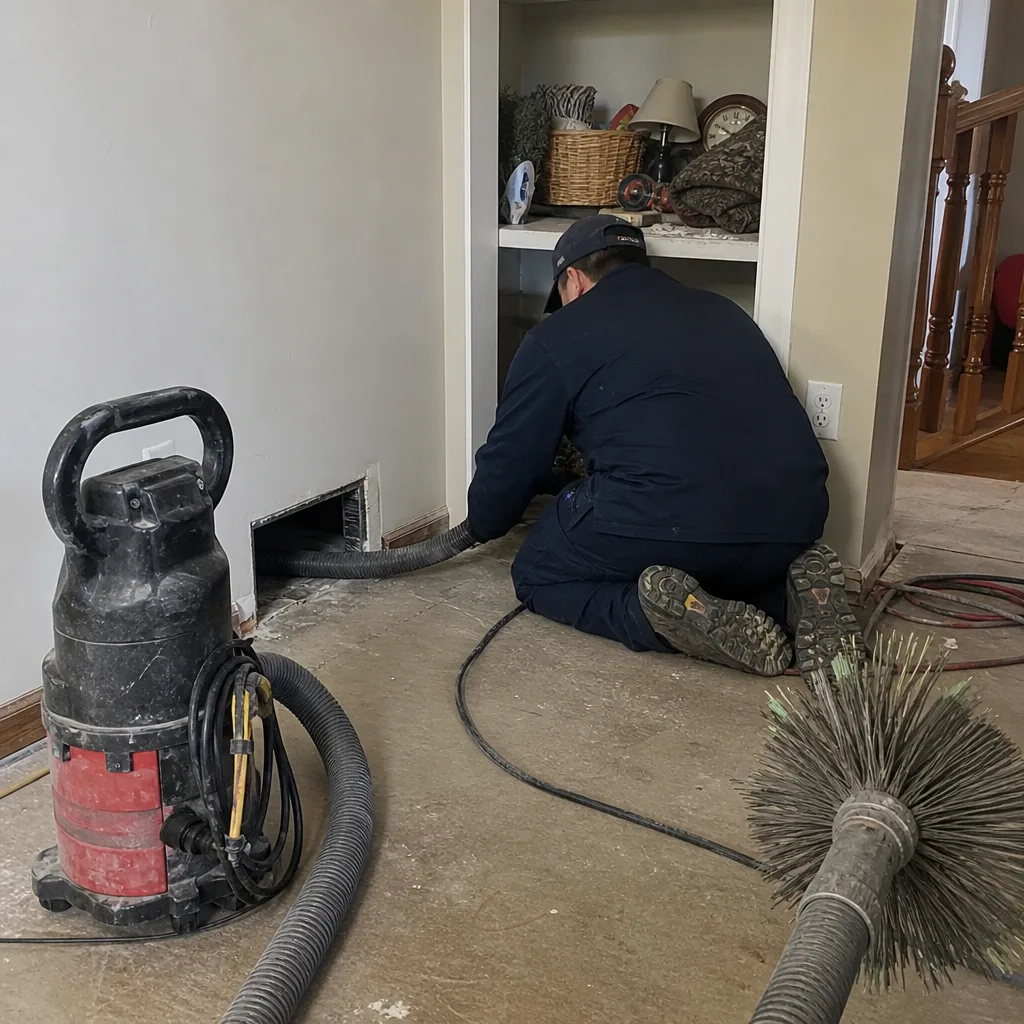 Before
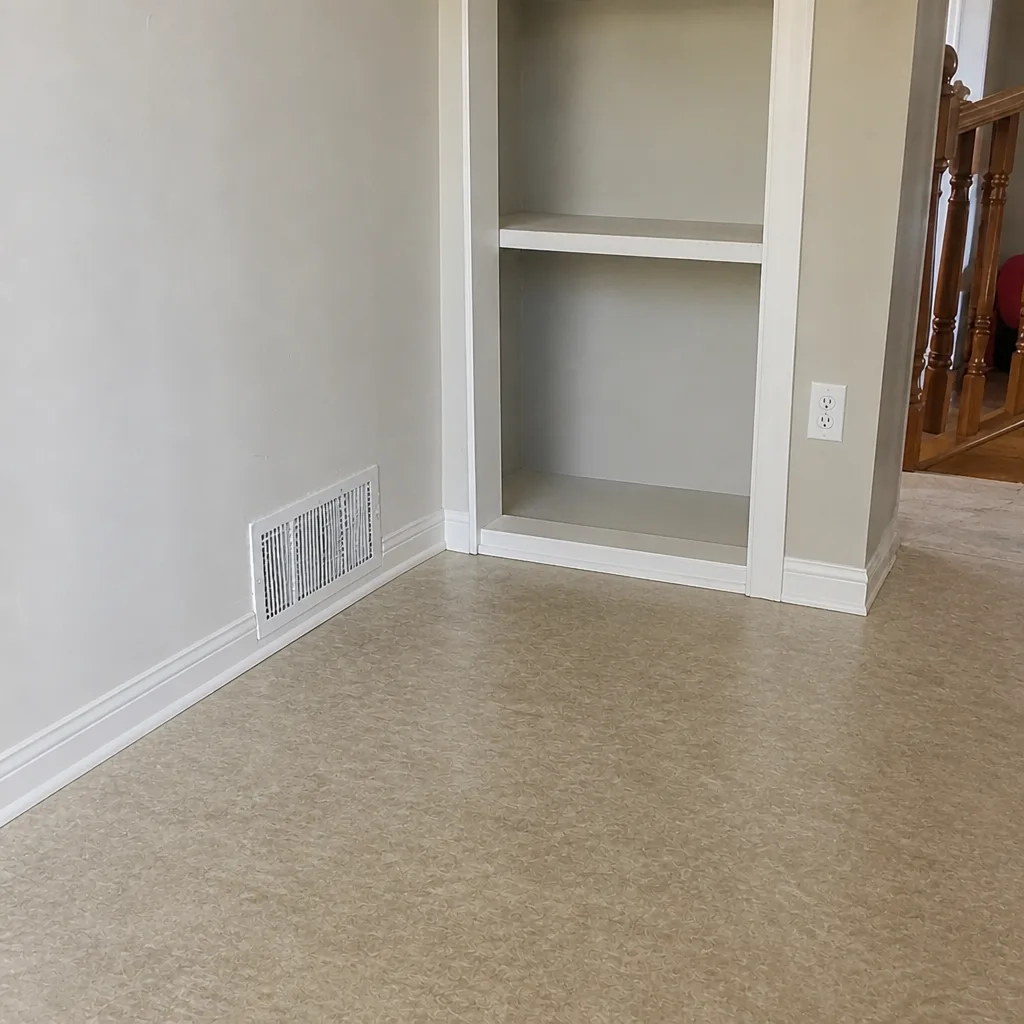 After
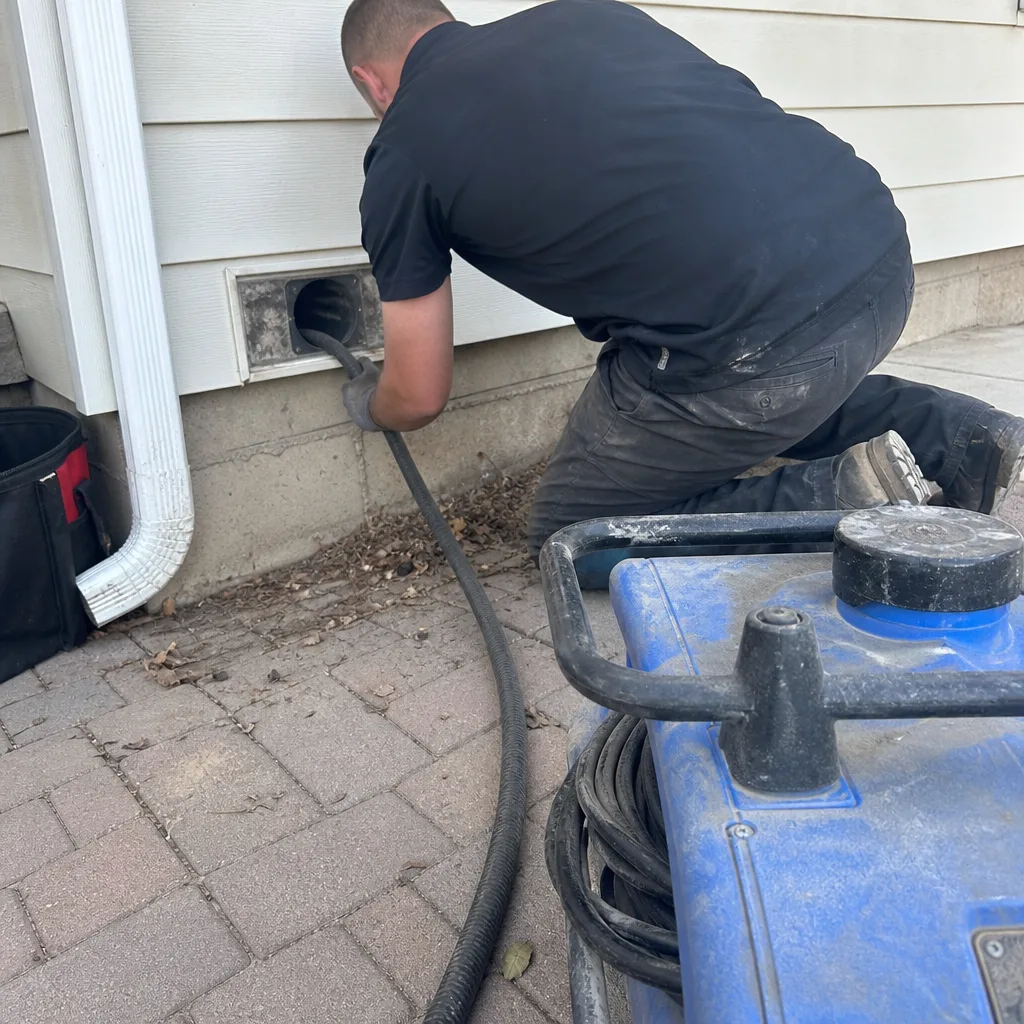 Before
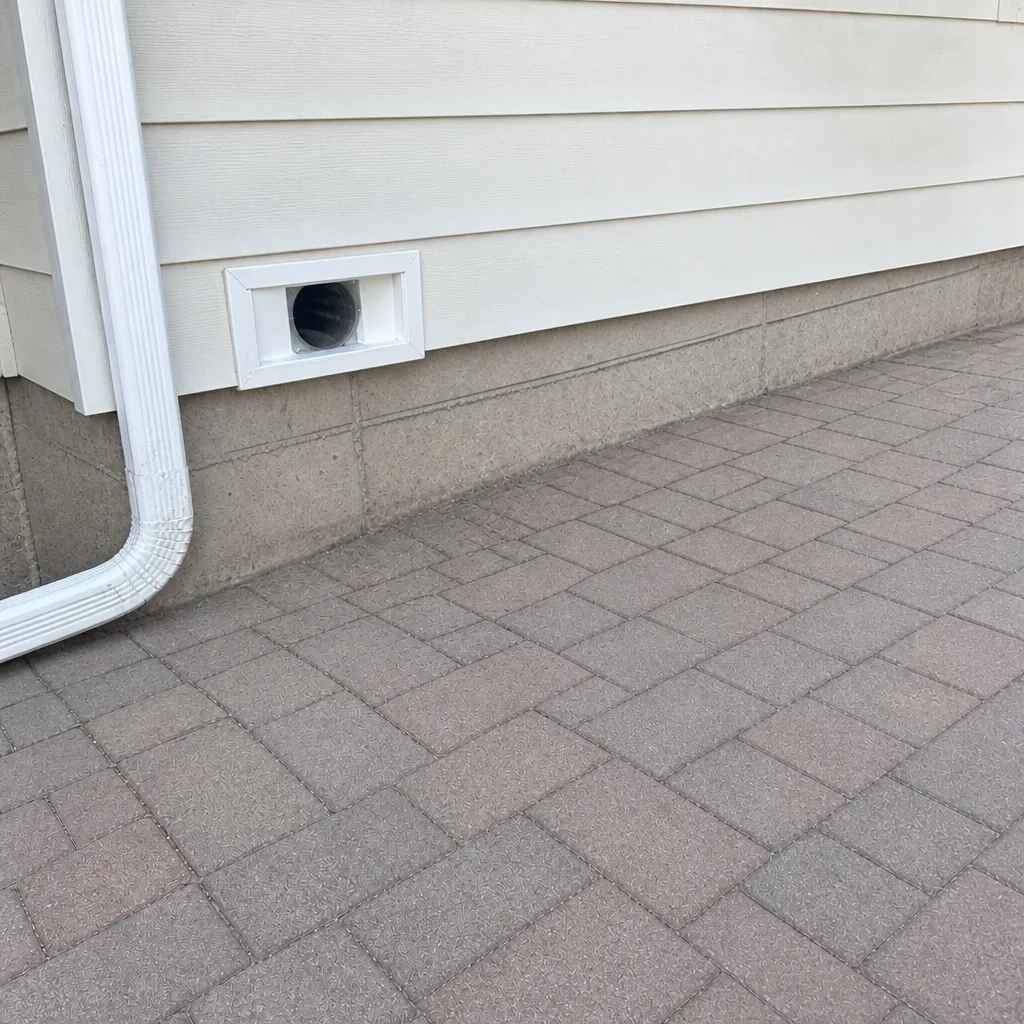 After
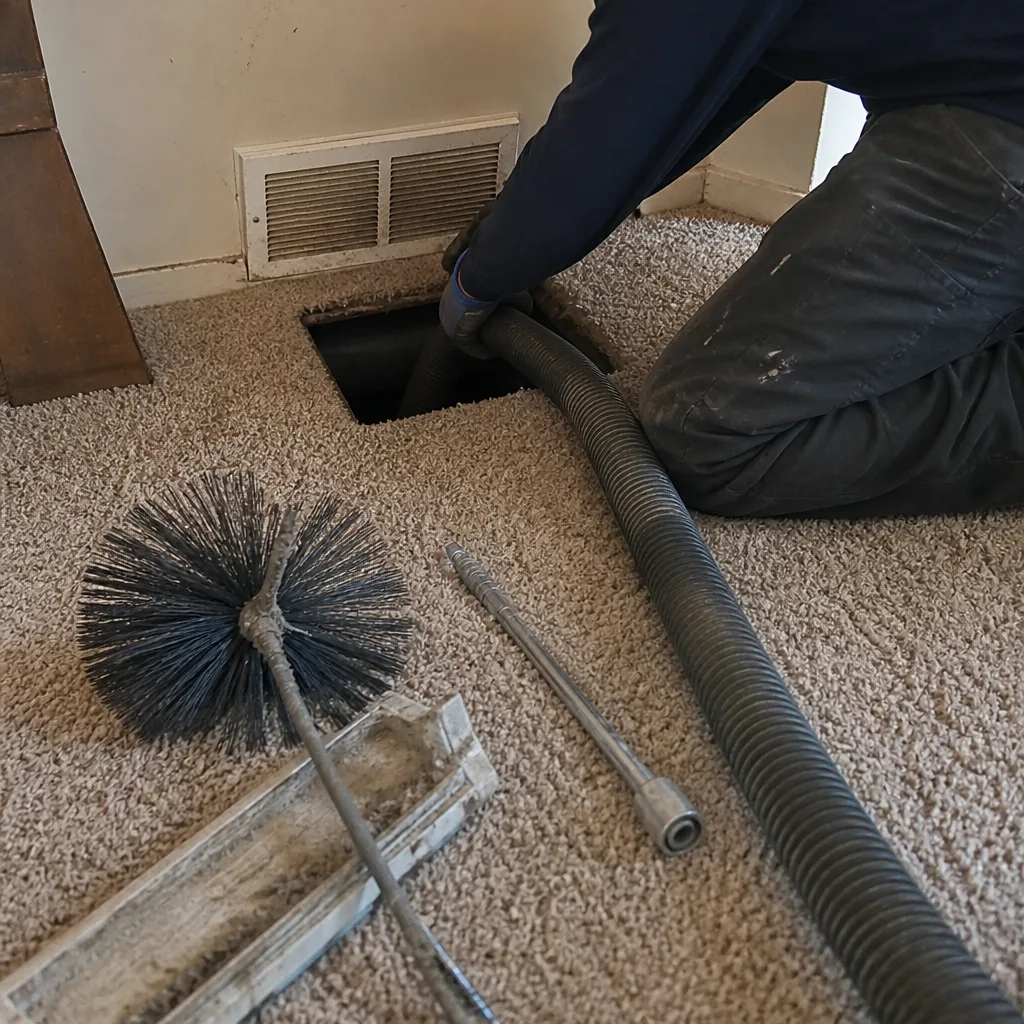 Before
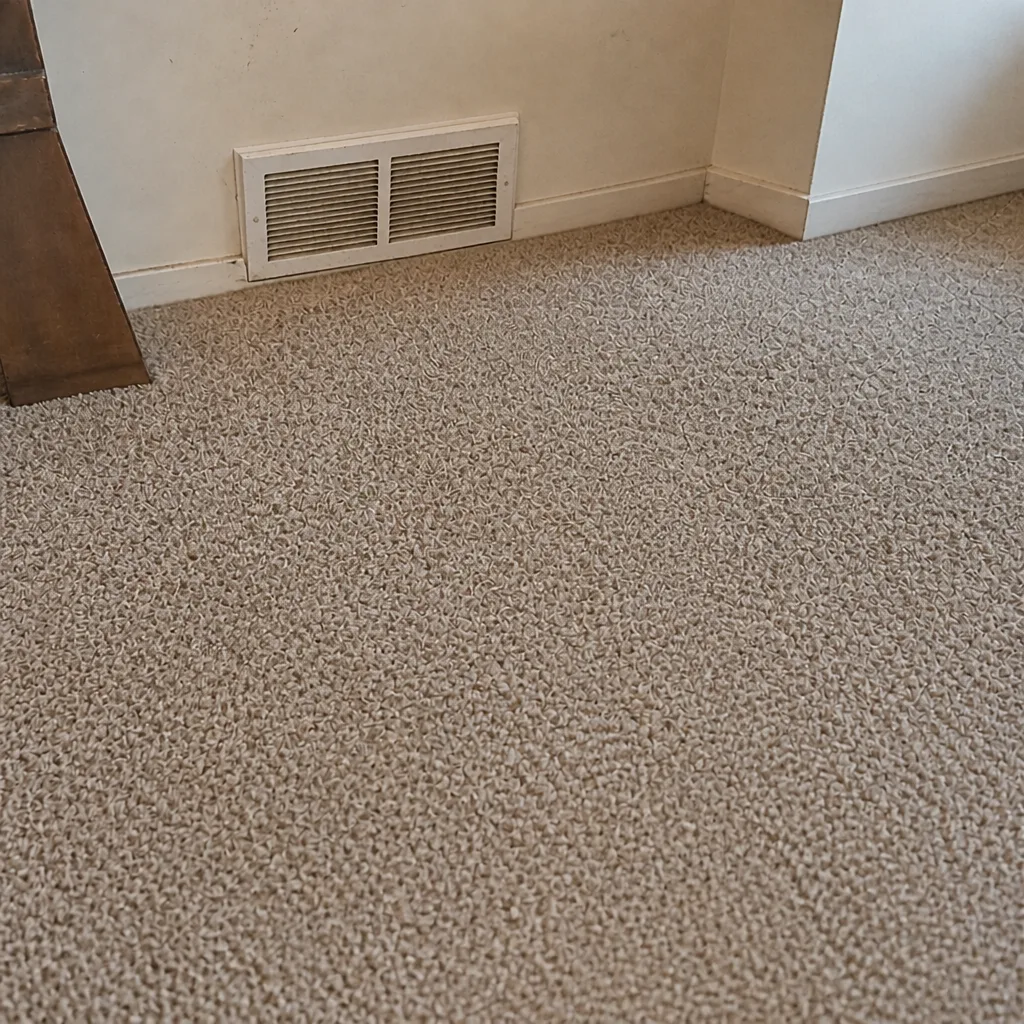 After
When to Call a Professional
Some of what this guide describes you can check yourself, but some of it needs a technician with the right equipment. Call a professional if a room stays 5 – 8°F off from the rest of the house even after you’ve confirmed the register is open and the filter is clean. Call if there’s a musty smell that returns after a cleaning, or a burning smell that isn’t the first-of-season dust burn-off. Call if the system sounds strained even with a fresh filter, or if airflow is weak everywhere and the ducts were recently cleaned. And call if you’ve spotted signs of movement around the registers over Tooele’s clay soil and want the crawlspace runs checked. Tooele Air Duct Cleaning offers free estimates in Tooele. Call (855) 658-4369 and we’ll help you figure out whether cleaning, repair, or a diagnostic visit is the right next step. The local pro we connect you with is licensed and insured as the state requires, and you get one flat price per system agreed before work starts, plus before-and-after photos of your own ducts so you can see what changed.
Frequently Asked Questions
Compare airflow at every register. If it’s weak everywhere, the restriction is upstream at the trunk or the HVAC unit; if it’s weak in one or two rooms, the branch ducts are the issue. Dirty ducts typically show visible dust at the grilles and a musty smell when the system runs, while damaged ducts show a room that’s consistently colder or warmer, whistling sounds, or air blowing into the crawlspace. Call (855) 658-4369 for an exact quote and a free estimate if you’re unsure which one you have.
A single room that’s 5 – 8°F off from the thermostat is almost always a duct path problem, not a furnace problem. The most common causes are a sagging or kinked flex duct in the crawlspace, a disconnected section, or a leaky boot at the register. Tooele’s clay-heavy soil can shift and move the ground under crawlspace ducting, which makes this more common here than in areas with stable soil. It’s worth having the crawlspace runs checked before you spend money on equipment repair. Call (855) 658-4369 to book an estimate.
A musty smell from the vents means moisture is present somewhere in the duct system or on the evaporator coil, and microbial growth has followed. In this climate, the usual source is condensation on the coil, a clogged condensate drain, or damp insulation in a sweating duct run. Cleaning removes the contamination and sanitizing treats the surfaces, but the moisture source has to be corrected or the smell returns. Call (855) 658-4369 for an estimate that includes finding the source.
Cleaning fixes weak airflow only when the cause is debris. If the ducts are collapsed, disconnected, kinked, or undersized for the system, cleaning removes dust but leaves the restriction, and airflow doesn’t improve. A technician measuring static pressure can tell you whether the problem is debris or duct design. If your ducts were recently cleaned and airflow is still weak, that’s the sign you need a diagnostic visit rather than another cleaning. Call (855) 658-4369 and we’ll help you sort out which one you need.
Most homes here do well with a cleaning every few years, and some need it sooner. The schedule depends on what’s happening in the house: a renovation pulls debris and dust into the return, pets add dander, and Tooele’s dry, dusty seasons bring more particulate into the system. Homes with ongoing allergy symptoms or a musty smell need attention sooner regardless of how long it’s been. The register check in this guide tells you when it’s time. Call (855) 658-4369 for a free estimate and we’ll help you decide.
Sanitizing is worth it when there’s a musty smell, a moisture event, or known contamination, because mechanical cleaning removes debris but doesn’t kill the growth that lived in it. If there’s no odor, no moisture history, and no contamination, sanitizing is a treatment without a target. We apply Guardsman-grade sanitizing products only after the mechanical cleaning is complete and only where it’s called for. Call (855) 658-4369 to talk through whether your system needs it, and the estimate is free.
The Bottom Line
Most duct problems you’ll notice in a Tooele home show up as symptoms long before a technician confirms them, and the register comparison is the first thing to do. Weak everywhere points upstream to the trunk or the HVAC unit. Weak in one or two rooms points to the branch duct feeding them, and in Tooele’s clay soil, a sagging or disconnected run in the crawlspace is a likely cause. Odors are diagnostic: musty means moisture, burning means stop and get it checked, chemical means the room, not the ducts. When the ducts are clean and airflow is still weak, static pressure testing finds the real restriction. And when cleaning won’t fix it, repair and sealing will. We follow the air start to finish, from the intake to the exhaust, so the right service lands on the right problem. Duct cleaning, dryer vent cleaning, sanitizing, and Tooele Air Duct Cleaning‘s duct repair and sealing are all part of the same job when the system calls for it. Call (855) 658-4369 for a free estimate. We answer 24/7. Fast dispatch from 7am to 7pm, Sunday through Friday, closed Saturday.
Written by the team at Tooele Air Duct Cleaning.