
Last updated November 23, 2026
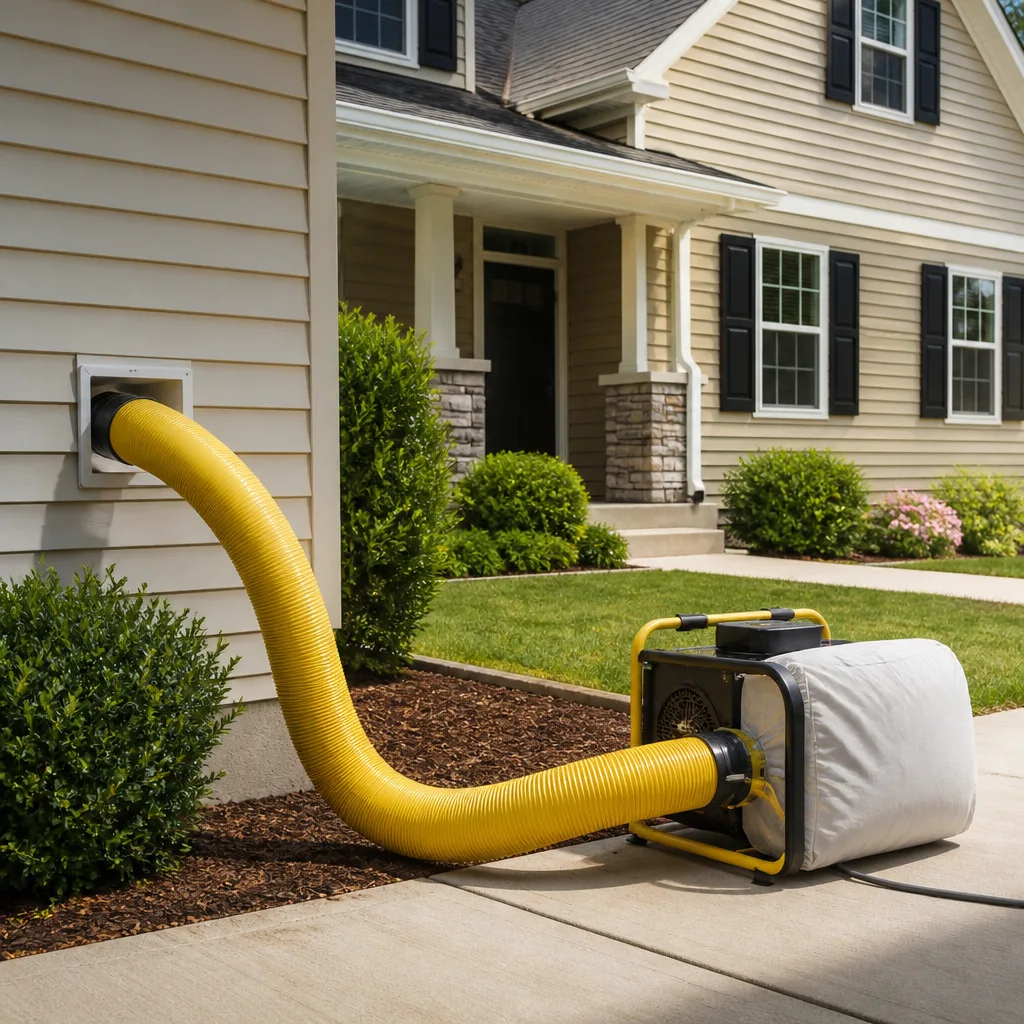 Whole-home duct cleaning
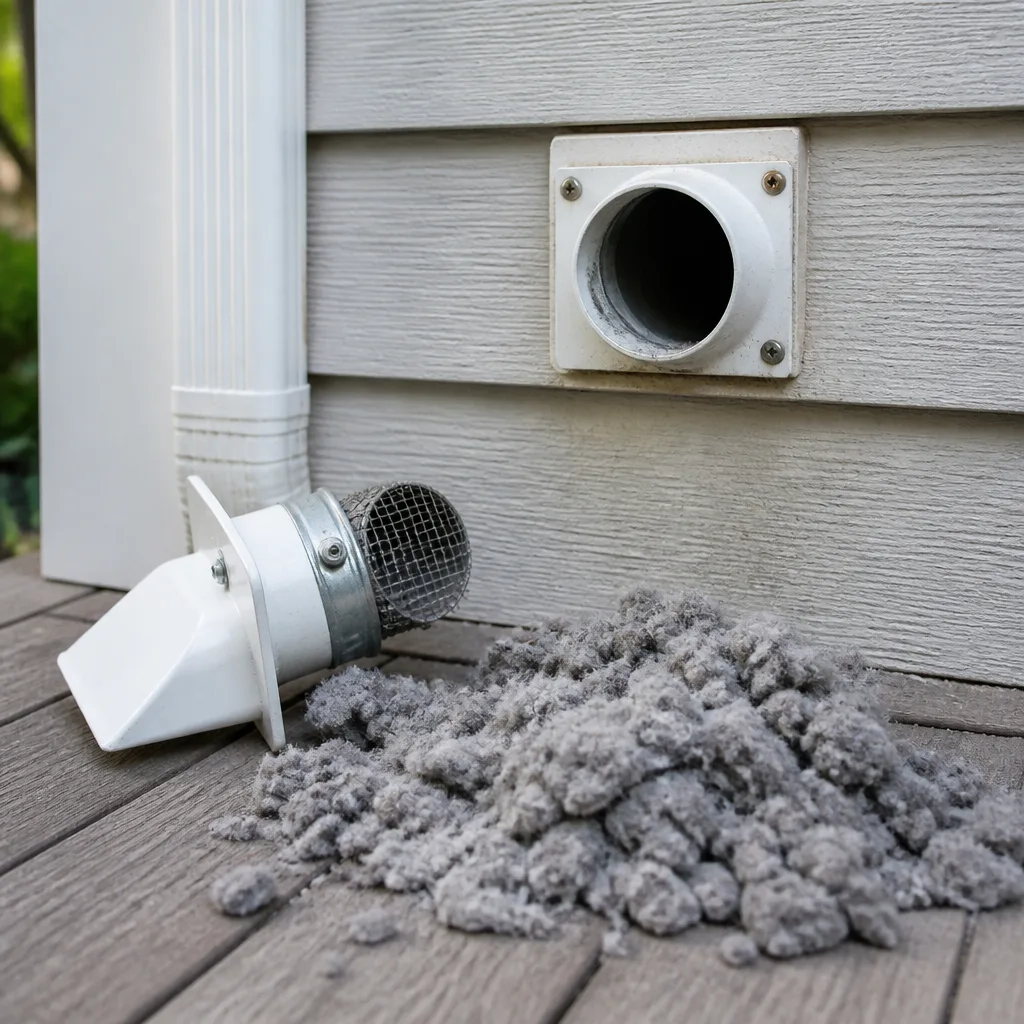 Dryer vent cleaning
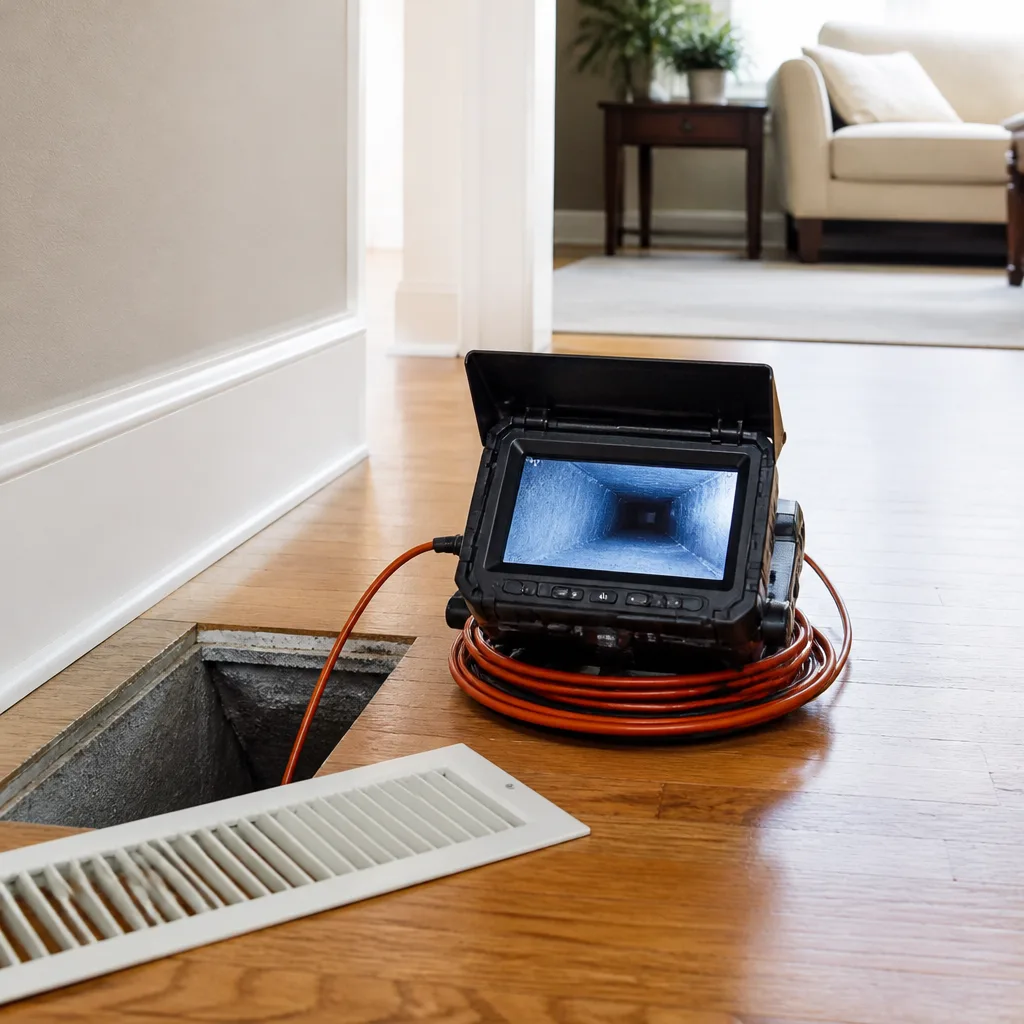 Camera inspection
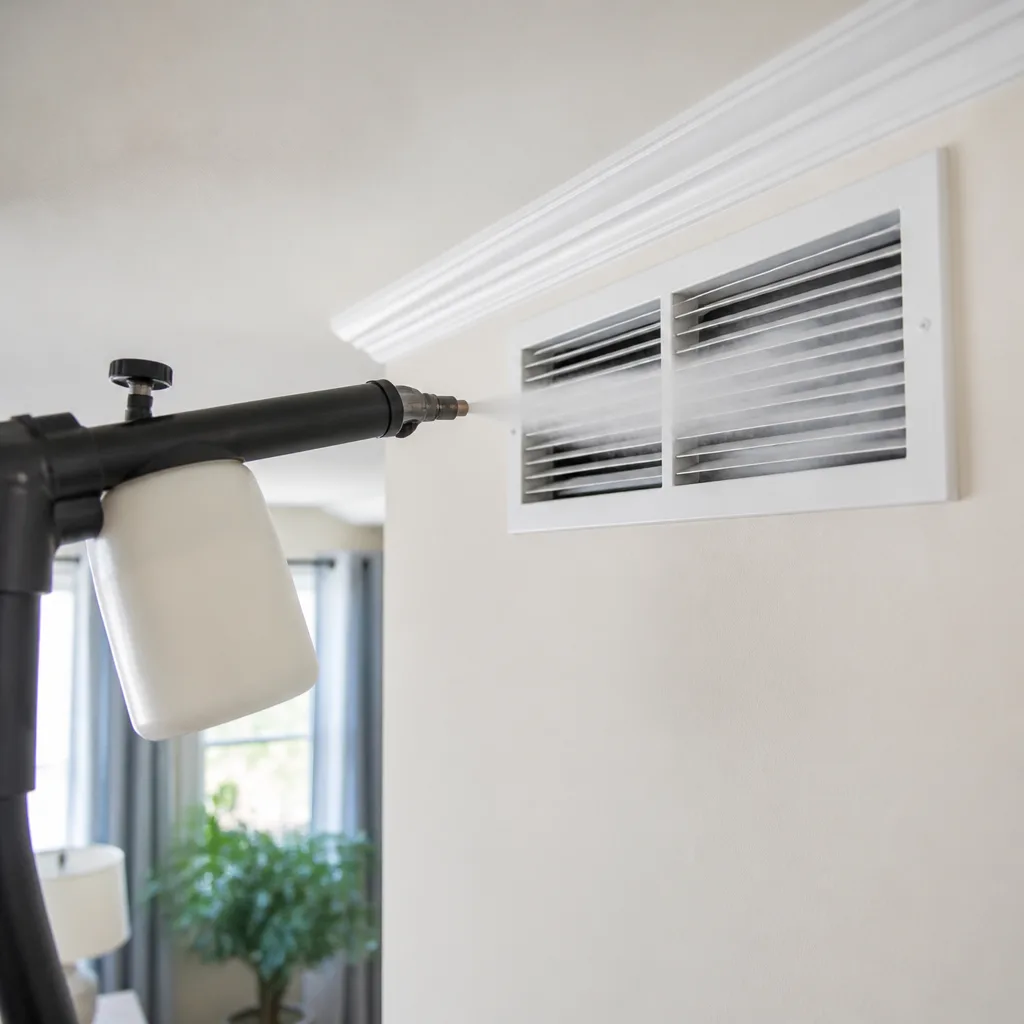 Sanitizing & deodorizing
Whole-system duct and dryer vent check with before-and-after photos - you see exactly what came out of your vents
That "$99 whole-house special" is a bait ad - the real number appears once they are in your hallway, or the "clean" is a shop-vac at the register. We photograph the inside of your ducts before and after instead.
Air Duct Cleaning Maintenance Checklist for Tooele Homeowners
Changing your filter every 90 days while ignoring the return plenum is like brushing your teeth but never cleaning the sink drain. The debris you’re capturing upstream has to settle somewhere, and in a large share of Tooele homes built before 2005, it’s been settling into duct joints, boot collars and plenum seams that haven’t been opened or inspected in years. The filter looks clean, so the system feels fine. Then the first cold snap hits, the furnace runs for a week, and the smell from the registers tells you otherwise. What follows is the same decision logic a trained technician uses on a Tooele system: what to look at, what the visual cues mean, and how to know whether your ducts need cleaning, monitoring, or repair.
Quick Answer
A practical duct maintenance checklist for a Tooele home means inspecting every register room by room for dust rings, airflow restriction and first-heat odors, logging filter change dates against visible dust load, and checking the return plenum and accessible joints. Most homes here need a full professional cleaning every three to five years, sooner after a renovation, a wildfire smoke season or a stretch of winter inversion. The checklist below tells you which parts you can safely inspect yourself and which need a technician.
Styles & brands we work with
- Whole-home duct cleaning
- Dryer vent cleaning
- Camera inspection
- Sanitizing & deodorizing
Table of Contents
- Why Tooele Systems Age Differently Than Most Guides Assume
- Room-by-Room Register Inspection Checklist
- The Filter-to-Duct Relationship Log
- Three Tooele Triggers That Reset Your Cleaning Clock
- What You Can Safely Inspect vs. What Needs a Technician
- Documenting a Baseline With Phone Photos
- How Often Ducts Really Need Cleaning
- What a Professional Visit Actually Involves
Why Tooele Systems Age Differently Than Most Guides Assume
Generic duct advice is written for a temperate climate with average humidity and a lot of new construction. Tooele isn’t that. The valley sits in a high desert basin with hard swings between summer heat and deep winter cold, and the housing stock splits into two very different groups: older homes with original sheet metal and flex runs that have seen decades of seasonal expansion, and newer builds where construction dust from the surrounding development is the dominant issue. Each group fails differently.
In the older homes, we look for joint separation and tape failure before we look for dust. Metal ducts expand and contract through a Tooele winter, and every cycle works loose the seams and the mastic that sealed them. When a joint opens, the system stops pulling air from the register and starts pulling it from the crawlspace or the wall cavity instead. Dust is the visible symptom. The leak is the actual problem.
In the newer builds, especially where lots are still being graded nearby, the issue is loading. Fine construction dust and wind-blown soil get pulled through returns faster than a standard filter can capture them, and it packs into the horizontal runs and the boot collars behind the registers. Homeowners in those areas often notice grey dust settling on furniture within weeks of a deep clean, which usually means the source is still active.
Both groups share one factor: air quality swings with the season. Winter inversions trap particulates in the valley, and summer wildfire smoke drifts in from well outside the county. Neither event is unusual here, and both leave a residue inside the duct system that a filter alone won’t stop. That’s the context the rest of this checklist is built around.
Room-by-Room Register Inspection Checklist
A register is the most honest diagnostic tool in your house. It shows you what the system is doing at the point where air enters the room, and it costs nothing to look. Work through every register in the home, supply and return, with a flashlight and your phone, and note what you see. The whole walk-through takes about thirty minutes in a typical Tooele home.
- Pull the register cover and look at the boot collar. The boot is the metal or flex fitting that connects the duct to the floor or wall opening. Look for grey powder buildup on the inside surface, torn flex, or gaps where the boot meets the subfloor.
- Check for the grey powder ring. A distinct ring of fine grey dust around the perimeter of the opening, not evenly spread, usually means air is escaping past the seal and depositing dust at the edge. That’s a leak signature, not just dirt.
- Test airflow with your hand. Hold your palm over the register with the system running. Compare it to the register in the next room. A noticeable difference between two similar rooms points to a restriction, a closed damper, or a separated run.
- Note the color of any dust on the grille face. Light grey is normal household dust. Dark grey or black soot streaks suggest the furnace side needs a look. Rust-colored staining points to moisture somewhere in the run.
- Smell the first heat cycle. On the first cold morning the furnace runs, stand near a register and pay attention. A dusty, burnt-dust smell that fades within minutes is common. A musty or sour smell that persists means there’s moisture or microbial growth in the system, and that changes the plan.
- Check for debris under the register in floor openings. Coins, drywall crumbs, pet hair and small toys collect in the drop below a floor register. That pile tells you how much large debris is sitting at the bottom of the run.
- Look at the return grille last. Returns do more work and collect more debris than supplies. A return that’s visibly grey across the whole face is usually the first one that needs professional attention.
Write down what you find as you go, room by room. The pattern across all the registers is what matters, not any single one. If two or three rooms show a leaking boot and the rest are clean, you have a targeted repair job. If every room shows dust load, the system needs cleaning. If the smell is consistent across the whole house, we treat it as an air quality issue before anything else.
The Filter-to-Duct Relationship Log
Your filter is a data point, not a solution. Every filter change tells you something about how fast your system is loading, and if you write down the date and the condition of the filter, you build a picture of your specific system’s behavior over a year. That’s the difference between guessing at a cleaning interval and knowing one.
Keep a simple log. A sheet of paper taped inside the furnace closet door works better than an app because you’ll see it. For each change, record:
- Date of change and the date of the previous change
- Filter type (thickness and MERV rating, if marked on the frame)
- Condition on a simple scale: light, moderate, heavy, or visibly matted
- Color of the captured dust (grey, dark grey, brown, black)
- Any change in the register dust you noticed since the last entry
Why does this matter? Because a filter that loads in four weeks is telling you something a filter that lasts three months is not. In Tooele homes near active development, we often see fast loading during grading season and slow loading in a quiet winter. A fast-loading period pushes the recommended cleaning interval shorter. A homeowner running a filter log can see the pattern instead of reacting to a surprise. If you’re changing monthly and the registers still collect dust, the filter is capturing what reaches it and the rest is settling in the ducts. That’s the point where you call for an inspection rather than buying a thicker filter.
A word on filter ratings: a higher MERV filter catches more, but it also puts more static pressure on the blower. If you jump from a basic filter to the highest rating available without checking the equipment, you can restrict airflow and make the dust problem worse. Ask a technician what the equipment is rated for before you upgrade. Our team can walk through this with you on a free estimate and tell you what your specific unit will tolerate.
Three Tooele Triggers That Reset Your Cleaning Clock
A calendar interval is a starting point. It’s not the rule. Three events in this valley reliably push a system past its normal cleaning threshold, and each one has its own signature in the ducts.
Post-inversion season
Winter inversions trap cold air and fine particulate in the Tooele Valley, and those particulates eventually settle onto every horizontal surface, including the interior of your duct runs. A wet or heavy snowmelt season can add humidity to the mix, and the dust that settles becomes easier to stick to the duct walls. For homes with a year or more of accumulation, the months after the last inversion of the season are often the best time for a professional cleaning. If your system wasn’t cleaned in the previous twelve months and the winter was a long one, plan on it.
Post-wildfire smoke events
Summer smoke from fires outside the county drifts in and out across Tooele, and a system running on recirculation pulls it through the return and into the ducts. Smoke leaves a fine, almost oily residue that a standard filter catches only partially and a vacuum alone won’t fully remove. If a heavy smoke season has passed since your last cleaning, that’s a reset. Sanitizing after the mechanical clean is the step that addresses the odor signature. Guardsman-grade products applied after the ducts are cleaned handle this well, and they’re applied as a finished step, not instead of cleaning.
Post-construction dust from neighboring development
Grading and framing on nearby lots generate a lot of fine airborne dust. If a parcel within a block or two of your home has been under construction in the past year, your system has been pulling that dust in. This isn’t the loose sawdust of an interior remodel. It’s fine mineral dust that packs into the horizontal runs and needs the rotary brush to break up. If you’ve had a renovation inside the house, the reset applies for the same reason, just from a different source. A finished job on your own home is the classic trigger for professional cleaning, and we always recommend scheduling it after the painting and drywall are done.
If any of these three applied in the last year, cut your normal interval short. For a house that would otherwise go four years between cleanings, one significant trigger year is enough to move that to three or even two.
What You Can Safely Inspect vs. What Needs a Technician
Knowing the boundary matters as much as knowing the checklist. Some parts of the system are safe to look at and simple to maintain. Some parts carry real risk, and treating them the same as a register is how people get hurt or how a small problem turns into an expensive one. Here’s the split we use on every job.
Safe for a homeowner to inspect or maintain
- Register covers and boot collars at the room opening (visual inspection, no disassembly)
- Filter changes at the furnace cabinet, with the system powered off at the thermostat or breaker
- The outside of the furnace cabinet and the plenum panel, looking for visible gaps or tape failure
- Return grilles and the debris pile just inside a floor opening
- Filter log, register dust observations, and phone photos of the visible conditions
- Thermostat and damper positions, if the damper levers are marked and accessible
Needs a trained technician
- Anything inside the furnace cabinet beyond the filter slot. The blower, heat exchanger and burner assembly are not homeowner territory. A mistake near the gas valve or the igniter is a real safety issue, and there’s nothing a homeowner should be doing inside that cabinet.
- Duct runs inside walls, ceilings or crawlspaces. Removing a section of drywall or climbing into a crawlspace to inspect a run is how people end up in a tight spot with no way to get a good look. A technician can scope it or reach it without opening up the house.
- Electrical connections at the air handler. Any wiring work, even just tucking a loose connection back, belongs with someone trained for it and only after power is confirmed off.
- Sealing joints in inaccessible spaces. Duct repair and sealing done from inside the system, or from a crawlspace, needs the right tools. If you’re sealing a joint you can’t see, you’re guessing at the result.
- Any mold or suspected microbial growth. If the musty smell is persistent, this needs proper remediation, not a wipe-down with a household product.
If you reach a point on the checklist where the answer isn’t obvious, stop and note it. A register with an unusual stain, a persistent smell, or a section of duct that flexes when you touch it are all reasons to call someone rather than investigate further. There’s no shame in knowing where the line sits. It’s how you keep the small stuff small.
Documenting a Baseline With Phone Photos
The single most useful thing a homeowner can do is take photos before anything changes. A photo taken today is the only way to tell, three years from now, whether the situation got better or worse. Memory isn’t reliable, and a technician’s verbal description doesn’t hold up to a visual comparison. Your phone is enough.
Set up a consistent baseline in one pass around the house:
- Photograph every register, supply and return, cover removed. Get the angle from about a foot away, so the inside of the boot and the surrounding opening are both visible. Use the same framing each time.
- Photograph the filter slot with the current filter in place, and the new filter next to it. A date written on the filter frame in marker gives you an unambiguous reference in the photo.
- Photograph the furnace and plenum from a couple of angles. Include the tape seams and any visible gaps. You’re not inspecting the equipment, you’re documenting what it looks like now.
- Photograph the outside of the return grille in each room. The grille face is the easiest surface to compare later, because you’ll see the same angle and the same lighting.
- Keep the photos in one album on your phone, labeled by room. Add a note with the date. When you compare in a year, you’ll have a real before-and-after instead of a feeling.
This isn’t a substitute for a professional inspection, but it’s the tool that makes the checklist compound over time. When a technician arrives for an estimate, you can hand over the album and save a lot of the back-and-forth about what’s changed. Before-and-after photos of the ducts themselves are also something we provide on every job, so the comparison goes both directions. If you’re unsure how to shoot a particular register or want a second opinion on a photo, give us a call at (855) 658-4369 and we’ll talk it through. The estimate itself is free.
How Often Ducts Really Need Cleaning
There isn’t a universal number, and any guide that gives one without asking about your house is guessing. The interval depends on your filter log, your register findings, your triggers and the age of the housing stock. The range we use for Tooele homes is three to five years as a starting point, then adjust based on what the checklist shows.
- Three years or sooner for homes near active construction, homes with pets, homes where a filter loads in under two months, and homes approaching the end of a five-year window that hit an inversion or a heavy smoke season
- Four to five years for homes with a clean filter log, consistent register readings, no pets, no recent renovation and no significant trigger events
- Immediately after a major interior renovation, a move into a previously occupied home where the history is unknown, or any period where a persistent musty smell has appeared
- Annual inspection for homes with a heat pump, a high-efficiency furnace or any system with known flex duct runs, because these benefit from earlier detection of joint failure
One important qualifier: the calendar shouldn’t override the register readings. If your registers still show load two years after a clean, the system needs another look, regardless of what the interval says. Conversely, a home that reads clean at four years doesn’t need a cleaning just because the number is up. The checklist is the decision. The interval is the reminder to check.
If your home has never had a duct cleaning and you don’t know the history, start with an inspection. Some Tooele systems are cleaner than the homeowner expects, and some are worse. An inspection tells you which. If you’d rather have the actual service done properly by a trained team, our air duct cleaning service starts with an assessment and covers the full path from intake to exhaust. We also cover the mechanical side in our HVAC cleaning service for homes where the air handler and the ducts should be addressed together.
What a Professional Visit Actually Involves
The checklist above is what a technician uses to decide whether a cleaning is warranted. What happens during the cleaning is a separate process, and understanding it helps you compare quotes and know what to expect. Clean ducts are only half the job. The other half is containing the debris, sanitizing after the mechanical work, and addressing any leaks or joint failures the inspection turned up.
Here’s how a thorough visit runs, using the equipment we bring:
- Assessment and containment setup. The registers and the air handler opening are sealed off, and Abatement Technologies negative-air filtration is brought on site. Negative-air containment keeps the job in your ducts, not in your living room. It’s the difference between a cleaning that protects the space and one you wish you’d scheduled for a day you weren’t home.
- Rotary brush cleaning of the runs. We use Rotobrush and Nikro systems, which are the same contractor-grade rotary-brush and negative-air equipment professional HVAC contractors rely on. The brush agitates the packed material off the duct walls and the negative-air side pulls it out. Consumer-grade vacuums and blow-and-go methods don’t achieve this on a duct that’s seen a few years of Tooele dust.
- Component cleaning at the air handler. The blower, the cabinet interior and the accessible plenum surfaces are cleaned. This is the step most coupon crews skip, and it’s where a lot of the visible dust in a Tooele system actually lives.
- Sanitizing after the mechanical work. Once the ducts are cleaned, we apply Guardsman-grade sanitizing products for microbial and odor control. This is what addresses the musty smell from the checklist, and it doesn’t work as a substitute for cleaning. It works because the cleaning happened first.
- Documentation and photos. You get before-and-after photos of your own ducts, not stock images. If any joint separation or flex failure showed up during the clean, we’ll tell you what it would take to repair.
If the inspection turns up leaking joints, our duct repair and sealing service addresses the root cause. Your HVAC system works harder when your ducts leak or clog, and sealing a joint is often a more effective improvement than another cleaning. For homes that want to move beyond one-time service, we work with Honeywell and Aprilaire IAQ product lines, which allow an upgrade path from cleaning to long-term air quality management in a single visit. Filters, fresh-air ventilation and zoning controls sit in that ecosystem, and they pair with the filter log you’re already keeping. If you’re ready to talk about that path or to book a cleaning, call (855) 658-4369 for a free estimate. The written estimate sets the price, and there’s one flat price per system agreed before any work starts.
Common Mistakes to Avoid
- Replacing the filter more often to compensate for dusty registers. If dust is collecting at the register faces, the filter is doing its job upstream and the problem is downstream in the ducts. A thicker filter won’t clean the ducts, and a higher MERV rating can even restrict airflow if the equipment isn’t rated for it.
- Cleaning only the visible registers and calling it done. The register is the easy part. The horizontal runs, boot collars and air handler are where the actual loading sits in most Tooele homes, and none of those are visible from the room side.
- Hiring on price without asking about containment and equipment. A quote that doesn’t mention negative air, rotary brushing, or an air handler step is a quote for a different job. Ask what equipment they’ll bring and whether they’ll photograph the ducts before and after. A crew that can’t tell you is a crew that isn’t set up to clean thoroughly.
- Skipping the return plenum and the air handler. Returns do more work than supplies, and the plenum is often the dirtiest single surface in the system. A cleaning that stops at the registers leaves the source in place.
- Not fixing a leaking joint after the ducts are clean. If the boot collar is separated or the plenum seam has failed, a cleaning just resets the dust clock and it starts over within months. Repair and sealing address the cause. Cleaning alone doesn’t.
- Treating sanitizing as a replacement for cleaning. A sanitizing treatment applied to a dusty duct just mists the dust. The order matters: mechanical cleaning first, then sanitizing, then any repair and sealing. If a company offers sanitizing as the whole job, ask what they’re going to do about the debris underneath.
- Ignoring a persistent smell and hoping it goes away. A musty smell that shows up on the first heat cycle and stays is a signal that something is growing in the system. That’s a technician call, not a filter change.
See the difference
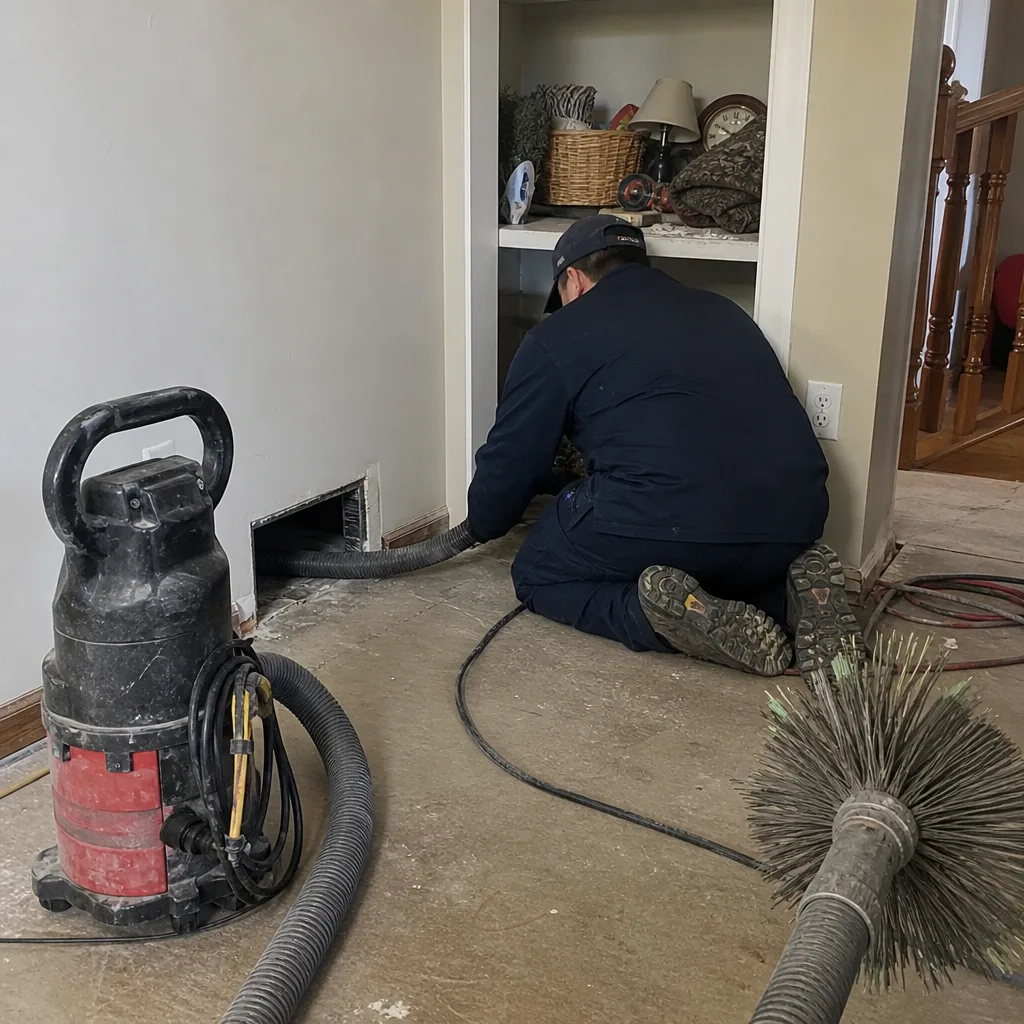 Before
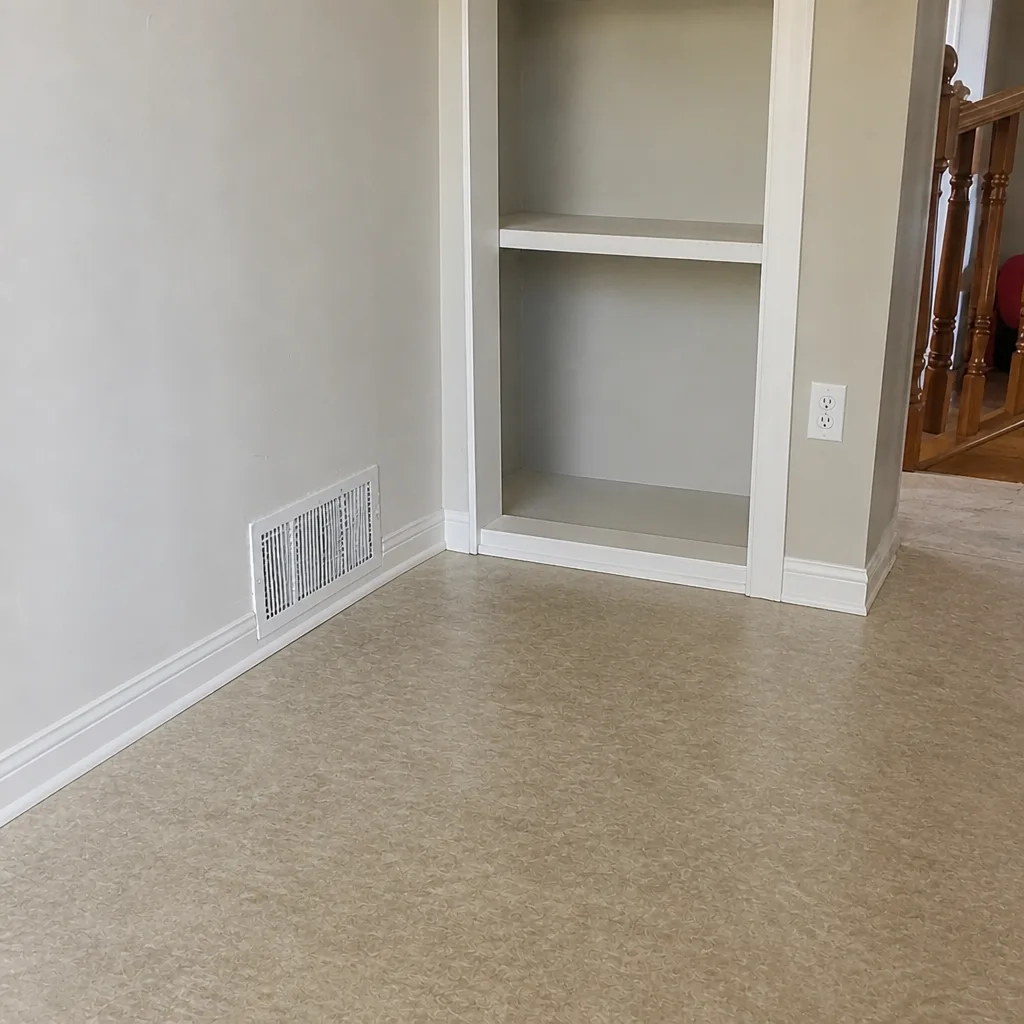 After
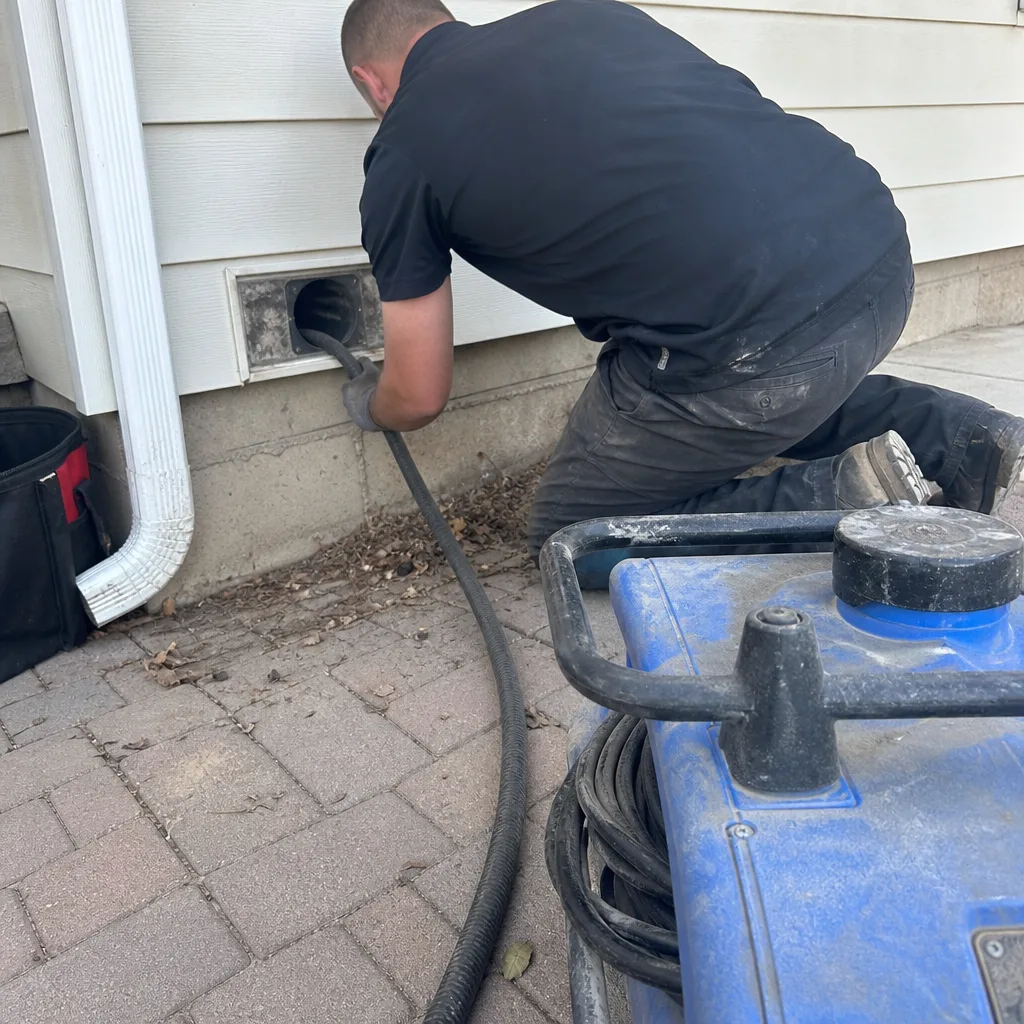 Before
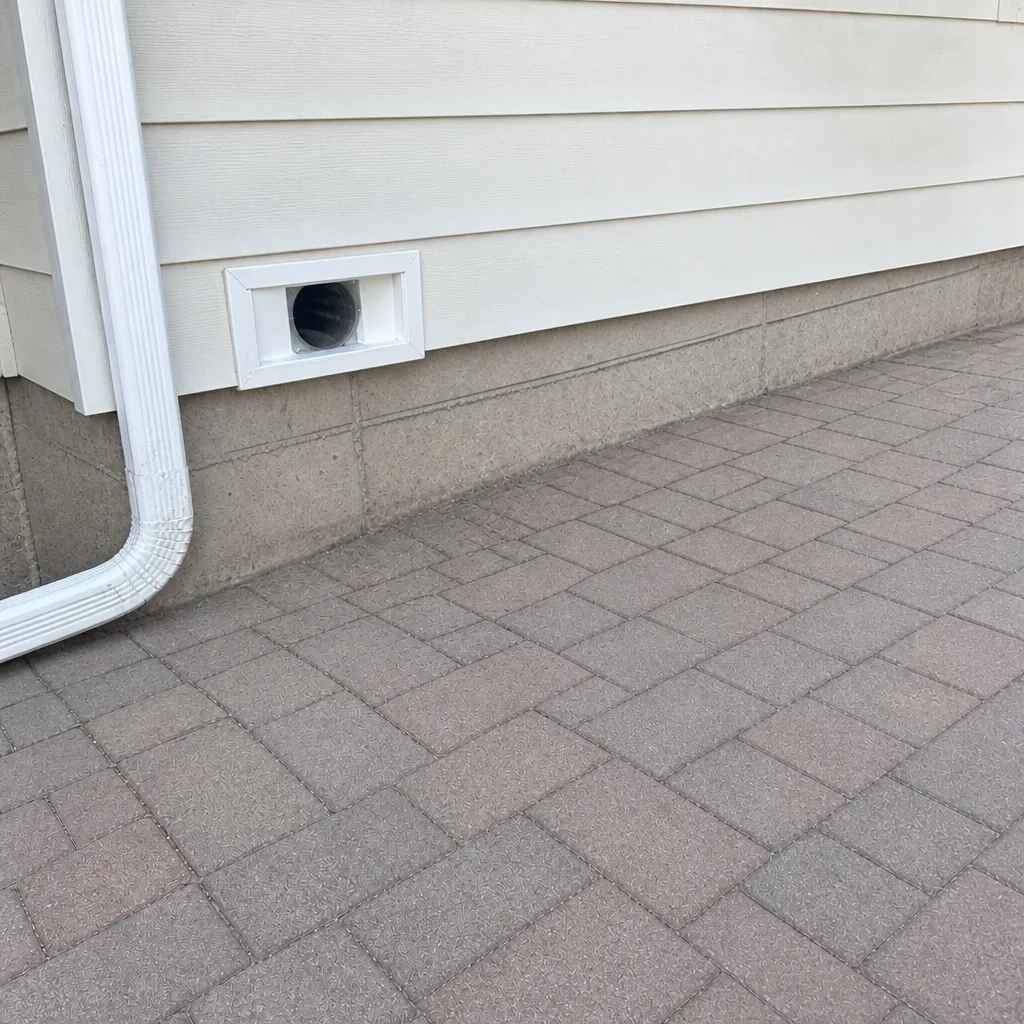 After
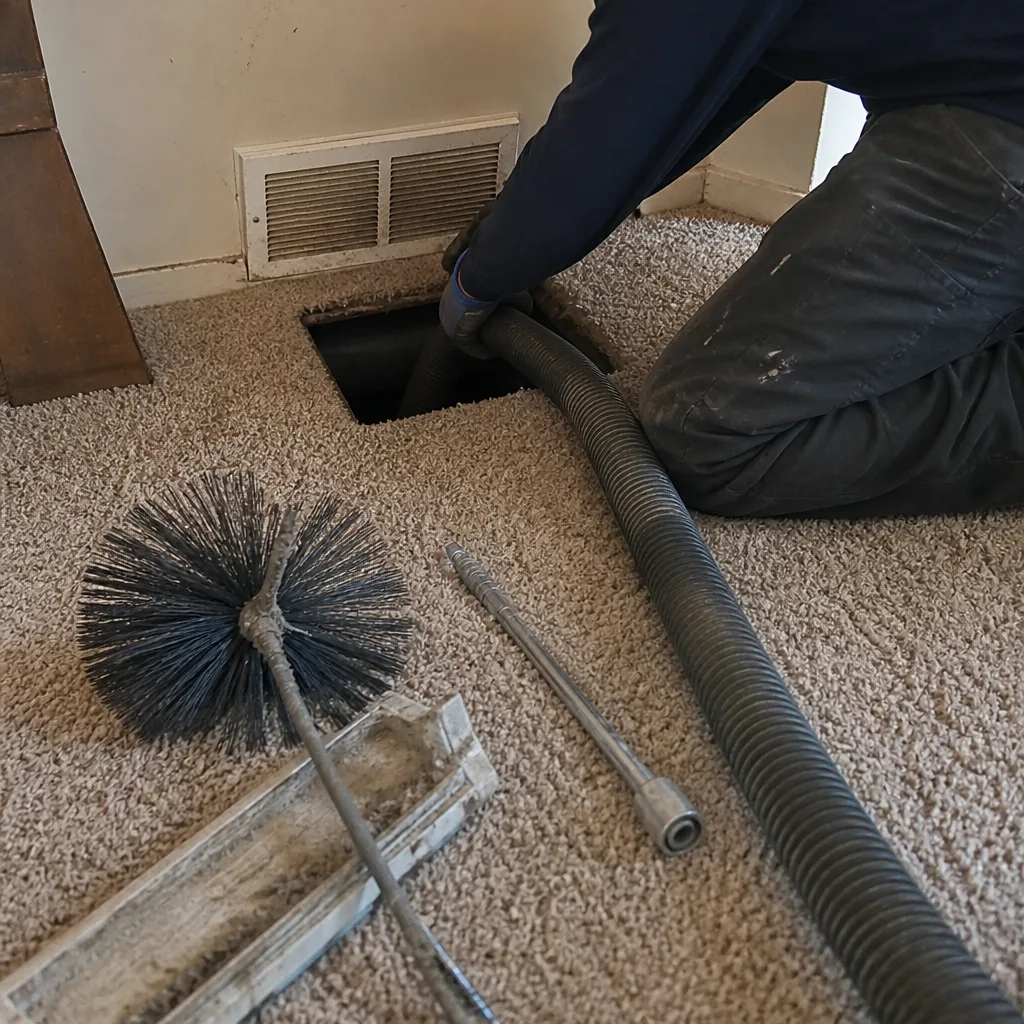 Before
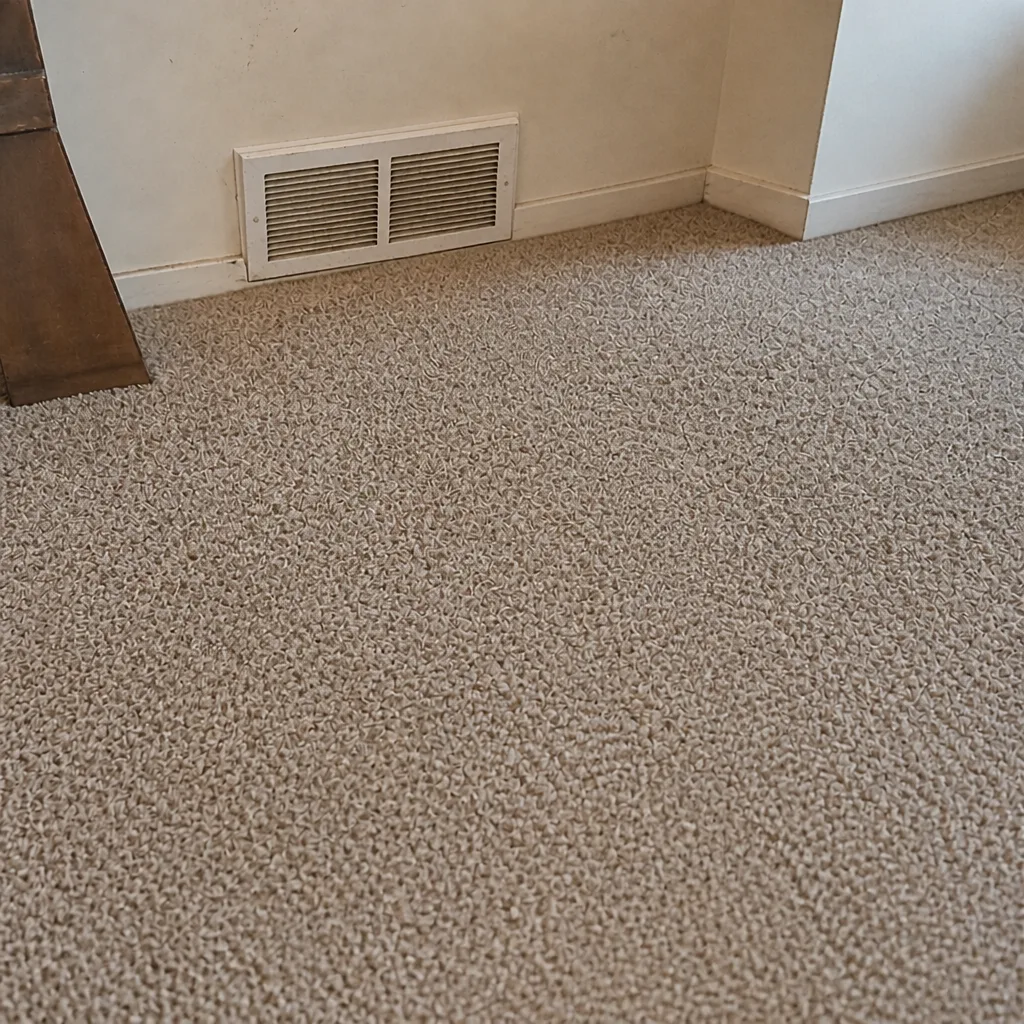 After
When to Call a Professional
Some findings on the checklist are normal. A thin grey film on a register is expected in any home. Others are the signal to stop inspecting and pick up the phone: a persistent musty or sour smell on the first heat cycle, visible mold or dark staining inside a register boot or on the plenum, airflow restriction that shows up across multiple rooms at once, a filter that loads in under a month even after upgrading, or any visible separation at a boot, plenum seam or flex run. If your home has just come through a major renovation, a heavy wildfire smoke season or a long inversion winter, that’s a call too, whether or not the registers look bad yet. Tooele Air Duct Cleaning offers free estimates in Tooele. Call (855) 658-4369. We answer 24/7. Fast dispatch from 7am to 7pm, Sunday through Friday. A call outside dispatch hours is booked into the next opening. When a technician arrives, you’ll get a written estimate with one flat price per system agreed before any work starts, and before-and-after photos of your own ducts when the job is done. If you want to start further back in the process, our dryer vent cleaning service often pairs well with a duct appointment, since both are about the air a home exhausts.
Frequently Asked Questions
Most Tooele homes should be cleaned every three to five years, with the interval reset shorter after a heavy inversion winter, a wildfire smoke season, a nearby construction project or an interior renovation. Use the register checklist and filter log to adjust the number for your specific house rather than relying on the calendar alone. Call (855) 658-4369 for an exact quote – estimates are free.
Expect a written estimate before any work starts, with one flat price per system rather than a per-vent figure. Whole-system pricing varies with the size of the home, how many runs there are and whether repair or sealing is needed. We don’t quote a per-vent price or a teaser figure, and the price agreed in the written estimate is the final price. Call (855) 658-4369 for a free estimate.
The cheapest quotes are usually for a different job. They typically skip negative-air containment, don’t clean the air handler or plenum, and finish in a fraction of the time a full cleaning takes. The lower price is real, but it’s buying less work, and the ducts stay loaded. Ask what equipment they’ll use and whether you’ll get before-and-after photos of your own ducts. Call (855) 658-4369 and we’ll walk through what a full visit includes.
Photos. We provide before-and-after images of your own ducts, not stock pictures, and you can compare them against the baseline photos you took during your checklist pass. You can also look inside the registers after a cleaning and see the difference in the boot collar. If a company won’t show you what they found and what changed, ask why. Call (855) 658-4369 if you’d like to see how we document a job.
Yes, if the smoke was heavy and the system was running on recirculation. Smoke leaves a fine residue in the ducts that a filter catches only partially, and it can create a persistent odor that mechanical cleaning removes. A sanitizing step after the clean handles the remaining smell. Call (855) 658-4369 for a free estimate.
No. A shop vacuum doesn’t have the airflow or the agitation to pull packed debris off the walls of a duct run, and without negative-air containment it just redistributes the dust into the room. Consumer equipment can also damage flex runs. Register covers, filters and visual checks are safe for you to handle; anything past the register opening is a technician’s job. Call (855) 658-4369 to book an inspection.
The Bottom Line
A maintenance checklist for Tooele ducts works best when it’s tied to what you can see and measure, not to an arbitrary number of months. Inspect every register, keep a filter log, photograph the baseline, and adjust your cleaning interval whenever one of the three local triggers shows up. Know where the safe-inspection line sits and call a professional for anything past it. Thick dust, persistent smell, leaking joints and a heavy trigger year are the cases that need attention, and a written estimate takes the guesswork out of the decision. Call (855) 658-4369 for a free estimate, or start with Tooele Air Duct Cleaning to see the full scope of what we do.
Written by the team at Tooele Air Duct Cleaning.