
Last updated November 23, 2026
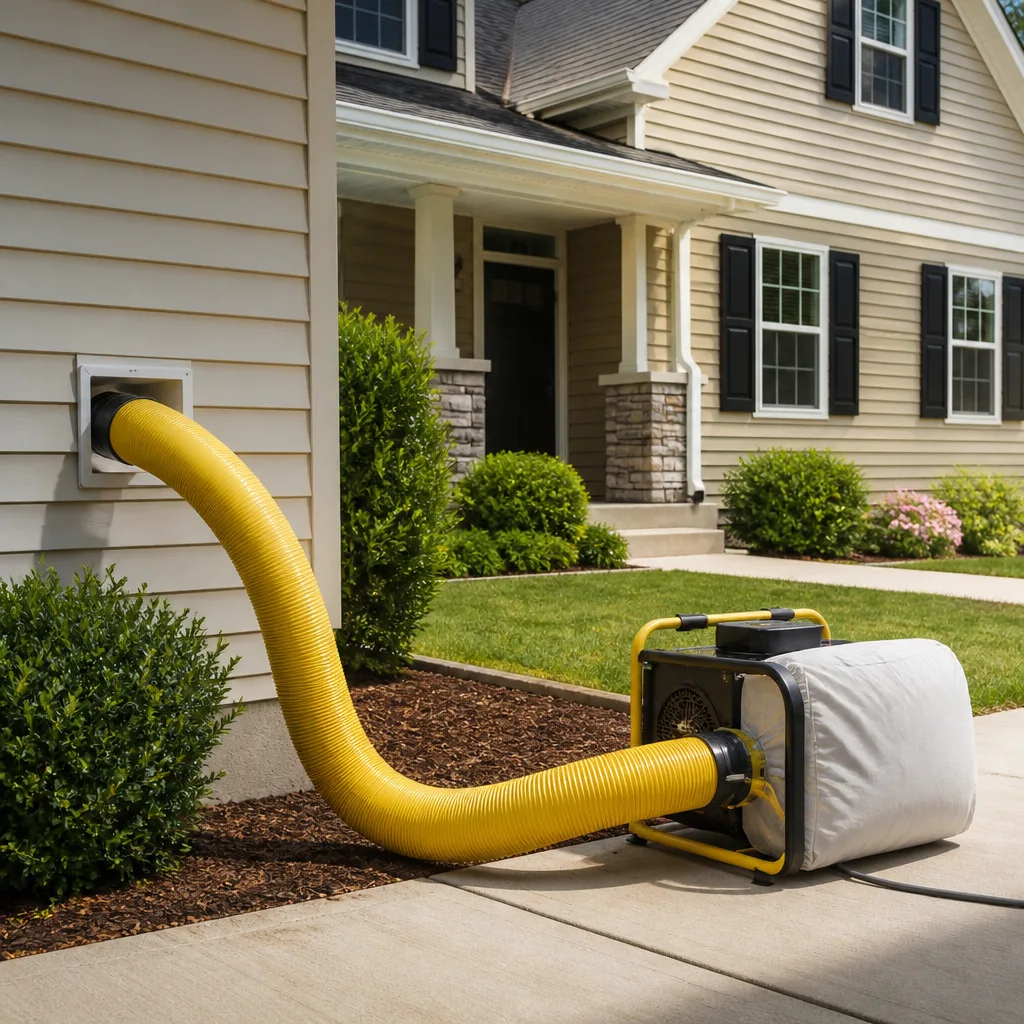 Whole-home duct cleaning
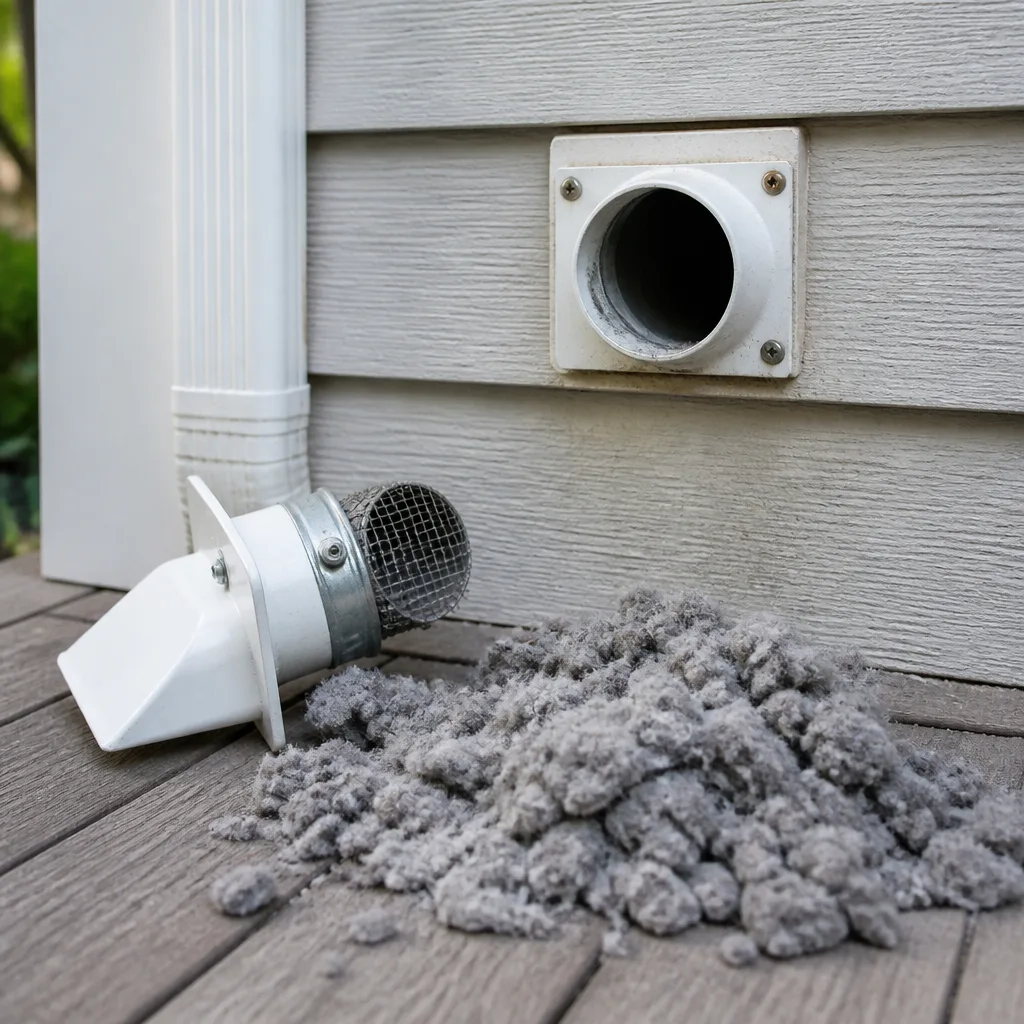 Dryer vent cleaning
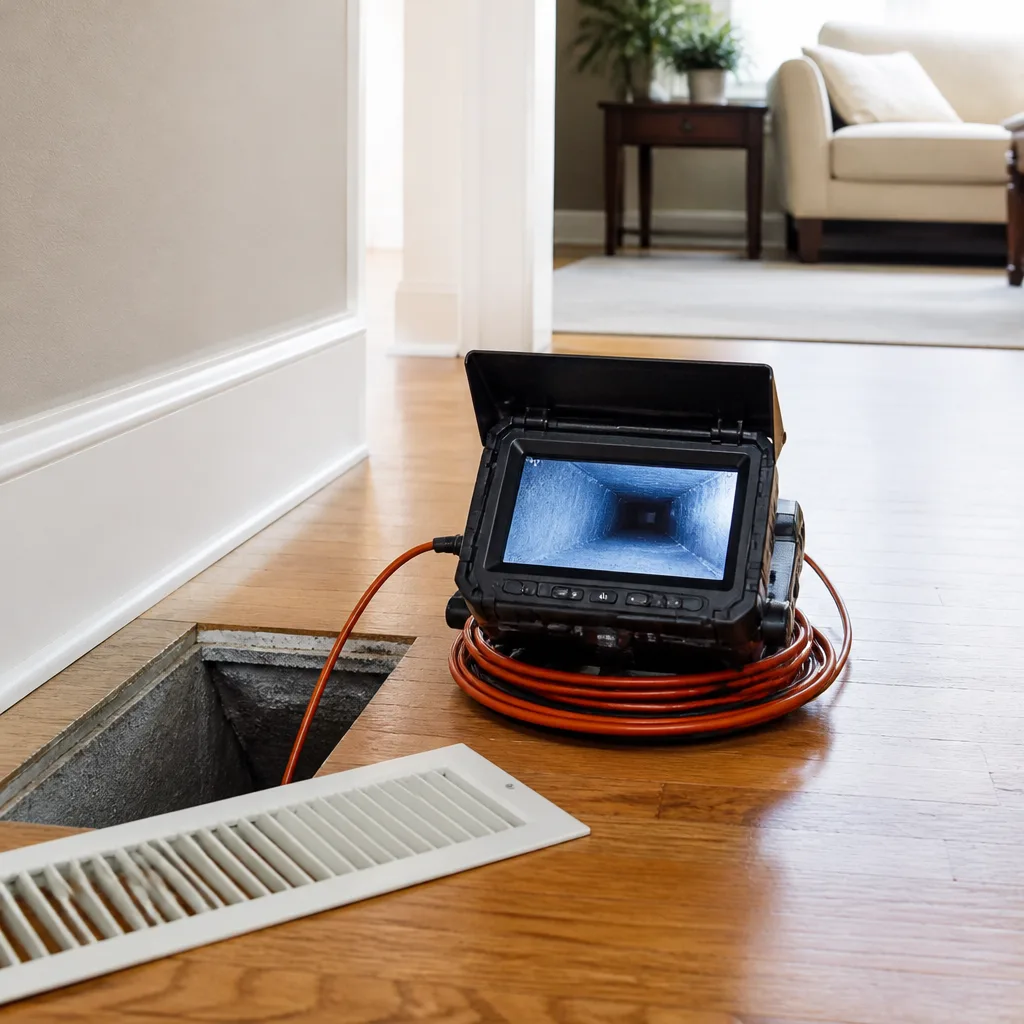 Camera inspection
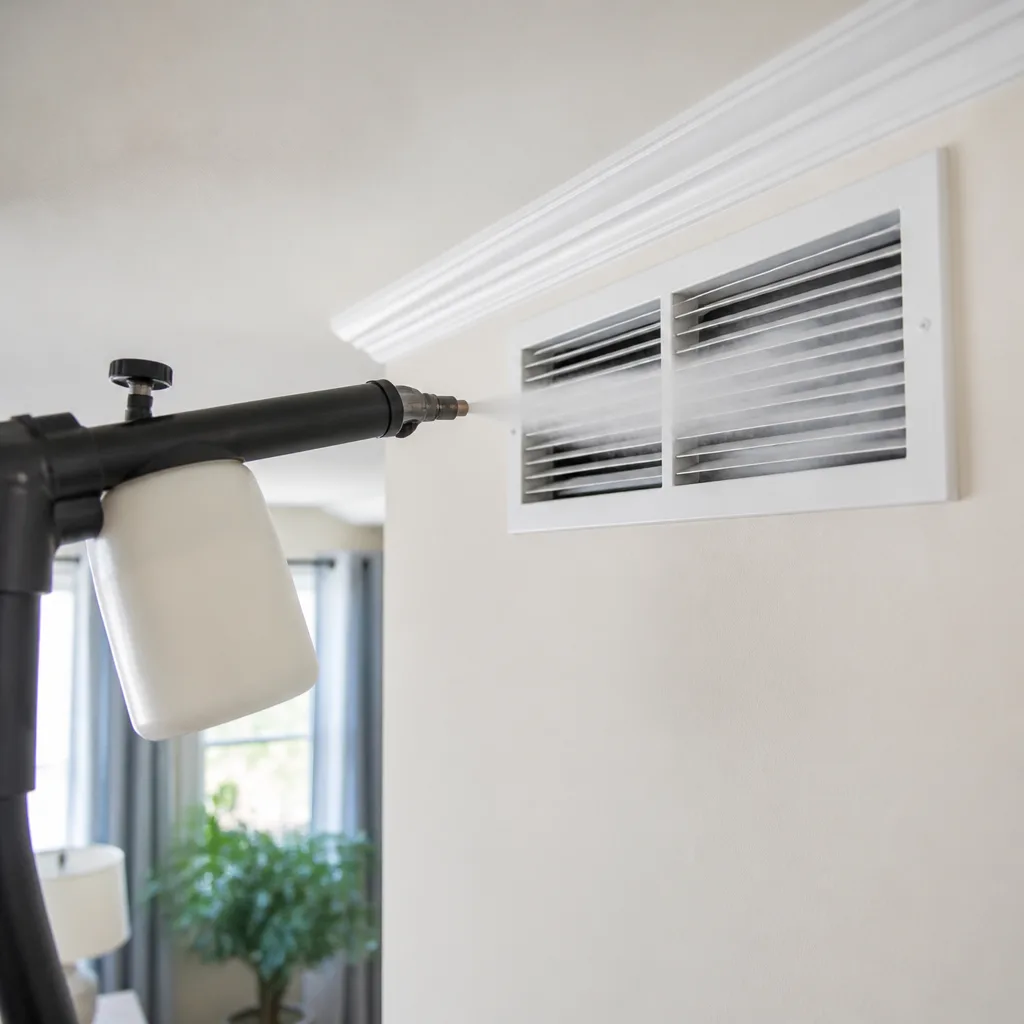 Sanitizing & deodorizing
Whole-system duct and dryer vent check with before-and-after photos - you see exactly what came out of your vents
That "$99 whole-house special" is a bait ad - the real number appears once they are in your hallway, or the "clean" is a shop-vac at the register. We photograph the inside of your ducts before and after instead.
Air Duct Cleaning Permits, Codes & Inspections in Tooele, UT: What You Need to Know
Here’s the part almost nobody tells you: a technician can legally run a rotary brush through your ductwork in Tooele without a single permit, but the moment that same visit turns into duct repair, a chemical sanitizing treatment, or mold remediation, an entirely different set of rules kicks in. Most homeowners assume “duct cleaning” is one uniform, unregulated chore. It isn’t. The regulatory line depends on what actually happens inside your system, and who’s allowed to do it. This guide maps those lines for Tooele homeowners, property managers, and anyone buying or selling a home here: when Utah licensing matters, what the EPA expects of antimicrobial products, when a permit is triggered, and the exact questions to ask before you hire anyone.
Quick Answer
Standard residential air duct cleaning in Tooele does not require a building permit. However, the moment a job involves modifying or replacing ductwork, repairing HVAC components, applying antimicrobial pesticides inside ducts, or remediating confirmed mold growth, Utah DOPL licensing, EPA product-registration rules, and in some cases a Tooele County permit become relevant. A reputable contractor will disclose which category your job falls into before any work begins.
Styles & brands we work with
- Whole-home duct cleaning
- Dryer vent cleaning
- Camera inspection
- Sanitizing & deodorizing
Table of Contents
- Does Air Duct Cleaning Require a Permit in Tooele?
- Utah DOPL Licensing: When Cleaning Crosses into HVAC Work
- EPA Rules on Antimicrobial Treatments Inside Ductwork
- Tooele County Building Department Jurisdiction
- Mold Remediation: When Cleaning Becomes Remediation
- Inspections and Documentation: What to Keep
- Questions That Confirm a Contractor’s Legal Scope
- Why Equipment Choice Affects Compliance
Does Air Duct Cleaning Require a Permit in Tooele?
Plain cleaning of a residential duct system does not require a permit in Tooele or anywhere else in Utah. Cleaning is maintenance, not construction. You’re removing accumulated dust, debris, and biological buildup from a system that already exists, and no wall gets opened, no structural component changes, and no air pathway is altered.
What changes the picture is the moment the scope shifts. Here’s how we’ve come to think about it after years of work in Tooele homes:
- Cleaning only: No permit. Mechanical removal of debris with rotary brushes and negative-air containment. This is the core service, and it stands alone.
- Cleaning plus sealing: Usually no permit, but sealing must not alter airflow requirements in a way that violates code. A professional who seals joints should understand the system’s design, not just spray mastic on every seam.
- Cleaning plus duct modification or replacement: Tooele County building department jurisdiction applies. This is construction work and typically requires a permit.
- Cleaning plus HVAC component repair: Utah DOPL mechanical contractor requirements apply (more below).
- Cleaning plus antimicrobial application: EPA pesticide-registration rules apply to the product used, regardless of whether a permit is involved.
The reason this matters in Tooele specifically is that the housing stock here is a mix. Older homes near the historic downtown area often have duct systems that were retrofitted or modified over time, and those modifications sometimes weren’t documented. When a technician opens up a register and finds a run that was taped together with the wrong materials, or a return that doesn’t match the supply side, the job can quietly become construction work. The honest move is to stop, tell the homeowner, and let them decide whether to pursue permitted repair. We do that.
Utah DOPL Licensing: When Cleaning Crosses into HVAC Work
A duct cleaner in Utah does not need to be a licensed mechanical contractor to clean ducts. A person or company that repairs, replaces, or installs HVAC components does. That’s the line, and it’s drawn by the Utah Division of Occupational and Professional Licensing (DOPL).
Here’s the practical version. Cleaning is removing buildup. Repair is fixing or altering equipment and the components that deliver conditioned air. If a technician tells you they found a broken damper, a crushed flex run, or a frozen actuator and offers to “take care of it right now,” you’re no longer talking to a cleaning operation. You’re talking to somebody doing mechanical work, and that work should only be performed by someone licensed to do it.
The distinction matters for you as a homeowner for one main reason: liability. If unlicensed mechanical work causes a problem later, whether that’s an air-balance issue that makes your furnace short-cycle or a leaking joint that pushes conditioned air into a wall cavity, you may have limited recourse. Insurance companies also tend to scrutinize mechanical work done by unlicensed parties in the event of a claim.
In our experience working in Tooele, the most common place this boundary gets crossed is in older homes where the duct system has been modified several times without documentation. We’ve opened up a return and found runs that had been disconnected and abandoned, or sealed with materials that shouldn’t be inside a duct. We clean around those problems and flag them clearly. We don’t repair or re-engineer the mechanical system ourselves unless a licensed professional handles that part of the scope. When a client needs full HVAC-side work, we say so before anything changes hands.
If your job does require licensed mechanical work, ask for the contractor’s DOPL license number and verify it. DOPL maintains a public license lookup, and it’s a two-minute check.
EPA Rules on Antimicrobial Treatments Inside Ductwork
An antimicrobial coating sprayed into ductwork is a pesticide under federal law. It has to be registered with the EPA, applied only on surfaces the label allows, and applied according to the label’s directions. A technician who can’t show you the product label for the product they intend to use inside your ducts is a technician who can’t confirm they’re operating legally.
This surprises almost everyone. Homeowners hear “antimicrobial” or “sanitizing treatment” and assume it’s just a cleaning product. Those terms mean something specific in the regulatory world. Companies that make registered antimicrobial products have to submit efficacy data, toxicity data, and application directions to the EPA. Those directions become the legal standard: if the label says “HVAC interior surfaces, not for use in occupied spaces without clearance,” then the applicator is required to follow that. If the label doesn’t include ductwork on its approved surface list, applying it inside your ducts is a misuse.
Type this into a phone search before you hire: “EPA-registered antimicrobial HVAC ductwork” and the product name. If the contractor can’t provide a label document, or the label doesn’t mention duct interiors, that’s your answer. In our own work, we apply Guardsman sanitizing products after the mechanical cleaning is finished, and we can show the label to anyone who asks. That’s not a sales pitch, it’s a baseline standard.
There’s a related point worth knowing: the EPA does not consider duct sanitizing a substitute for cleaning. If biological growth is present in sufficient quantity to warrant treatment, the physical removal of the material – the debris, the visible buildup – has to happen first. A spray-and-go visit is not compliant with anything.
Two things to ask about every product:
- Is it EPA-registered for HVAC interior surfaces? The label will state the approved surfaces.
- Is there any clearance or reoccupancy time required? Some products require the system to run a cycle before occupants return. A contractor who doesn’t know is a contractor who hasn’t read the label.
Tooele County Building Department Jurisdiction
When a duct project involves anything beyond cleaning and includes modification, installation of new duct runs, or replacement of ductwork, the Tooele County Building Department has jurisdiction. That includes a lot of scenarios that homeowners don’t initially realize are construction:
- Adding new supply or return runs to an existing system.
- Rerouting a duct run during a remodel.
- Replacing rigid duct systems with flex, or changing duct sizing.
- Converting a partial system into a full-system layout.
- Repairing or replacing the air handler or the furnace that the ducts connect to.
What a permit actually buys you is inspection. The building department reviews the plan and then sends an inspector to confirm the work is done to applicable code. That inspection is a record, and a record is what protects you during a sale or an insurance claim. When a homeowner in Tooele hires a contractor to change ductwork and the contractor skips the permit “to save time,” the homeowner inherits the exposure.
Our work in Tooele takes us into homes of many different vintages, and a common pattern is a finished basement or an addition where the duct system was extended in a way nobody can document. A cleaning visit won’t fix those, and it shouldn’t try. When we spot a modification that clearly needed a permit, we tell the homeowner plainly and suggest they call the building department to ask what record exists.
If you’re planning a cleaning that involves any change to the system, call the Tooele County Building Department first. Ask two questions: does this scope require a permit, and can you email me the exact scope of inspection? The answer you get over the phone will save you a headache later.
Mold Remediation: When Cleaning Becomes Remediation
Cleaning removes buildup. Remediation is the controlled removal of confirmed microbial growth in a manner that prevents contamination from spreading, and it typically requires containment, negative pressure, and documentation. In Tooele’s dry climate, fairly high humidity isn’t the usual issue, but water intrusion is. A slow roof leak, an air handler condensate pan that drips, or a plumbing drip that runs down into a duct chase can create sustained local moisture in a system that never sees it elsewhere.
If a cleaning technician finds visible growth and advises you that you need “remediation,” here’s what to ask:
- Is the growth actually confirmed? Confirmation usually means sampling or at minimum a documented visual inspection with photos.
- Is the person doing the remediation certified to do it? Certification through the IICRC (the Institute of Inspection, Cleaning and Restoration Certification) is the standard many remediators and insurers recognize.
- Will I get a written protocol? A proper remediation scope describes the containment, the removal, the cleaning method, and the verification step.
- Will I get clearance documentation? After remediation, a written verification is what proves the job was done to standard and is what an insurer or a buyer will want to see.
- Was the moisture source found and fixed? Remediation without source correction will recur, and that’s the most common expensive mistake in this trade.
The reason documentation matters is that remediation isn’t just about the air in your house right now. If you’re selling a Tooele home, a buyer’s inspector who spots growth in a duct or a closet will ask for proof that it was handled. If you’re filing an insurance claim for water damage, the adjuster will want to see the remediation protocol and proof of completion. Undocumented remediation is often worth very little on paper. In our work, when we find something that crosses from cleaning into remediation, we tell the client to get a certified remediation scope.
Inspections and Documentation: What to Keep
Even a plain cleaning deserves a paper trail. You may never need it, but if you sell your Tooele home, file a claim, or have a dispute with a contractor, having it in a folder turns a bad day into a minor inconvenience.
What to keep after a cleaning job:
- Before-and-after photos of the duct interiors, ideally with the register covers off and close-up shots of any problem areas found.
- A written scope of work listing each system cleaned and any components serviced.
- The written estimate with the agreed flat price.
- The product label for any sanitizing or antimicrobial treatment applied, and a note of which areas received it.
- Any defect findings – a broken damper, a disconnected run, a crushed flex – documented with photos so you can decide how to handle the repair later.
- For remediation: the written protocol and the verification or clearance document.
If ductwork was modified during the project, keep the permit number and the inspection sign-off. Those live with the house, not with the contractor.
A practical note for Tooele homes: photograph the register locations. When the next HVAC contractor shows up years later, having a clear map of where every register and return sits saves diagnostic time and prevents a technician from assuming a spot that doesn’t exist. It’s a small thing, but it pays off.
Questions That Confirm a Contractor’s Legal Scope
Verbal reassurance from a contractor means nothing. These questions do, because they force a specific answer that’s either true or it isn’t.
- “What category does this job fall under – cleaning only, cleaning plus repair, or remediation?” A clear answer tells you whether the contractor understands the rules. A vague answer tells you they don’t.
- “Will any product be sprayed inside my ducts, and can I see the EPA label?” The label should list HVAC interior surfaces as an approved use.
- “If any repair is needed, who performs it, and what license do they hold?” If the answer is the same person doing the cleaning, ask for their DOPL license number.
- “Will this job require a permit from Tooele County?” A good contractor knows the answer, and knows the answer is usually no – unless the scope changes.
- “Will I get before-and-after photos and a written scope of work?” Not a verbal promise of photos. A yes or no on whether you’ll actually receive them.
- “Who is responsible if something is damaged or done wrong?” The answer should be immediate and specific, not a deflection.
These questions aren’t intimidating, and they don’t require you to know the codes yourself. They just require the contractor to be honest about their own scope. We ask them of our own work every time, and we’ve built our process around being able to answer every one of them without hesitation.
Why Equipment Choice Affects Compliance
Not all duct cleaning equipment is equal, and the difference goes beyond how clean the ducts are. The two main classes are negative-air systems with HEPA filtration and rotary-brush equipment – the kind HVAC contractors use – and consumer-grade shop vacuums or blow-and-go methods that push debris into the return and out into the living space. What the second class actually does is fail to meet a basic standard of the trade: containing loosened debris so the cleaning happens inside the system, not in your kitchen.
Equipment choice also affects compliance in a technical sense. Certain cleaning agents and sanitizers need to be applied with proper containment and, in some cases, documented. If you’re working with a contractor who sprays product into your ducts while a shop vacuum is running at the register, they’re not doing the job the label says to do, and they’re not following any standard that protects you.
Our own approach is built around contractor-tier equipment. That means Rotobrush rotary tools and Nikro vacuum systems, with Abatement Technologies negative-air containment keeping loosened debris inside the ducts and out of the living space while we’re working. It’s the difference between a job that meets a professional standard and one that markets itself on being cheap. For broader context on what a full cleaning actually involves beyond equipment, see our guide to air duct cleaning. If you’ve got a dryer vent running hot, that’s a different specialty and our dryer vent cleaning covers it.
One more equipment note: the tool quality often signals competence on the permitted/repair side too. A contractor using the right equipment for the job will also be the one who knows the regulatory boundary between a cleaning, a repair, and a remediation, because the equipment and the process go together. Consumers who understand this look at the whole picture, not just the price tag.
Common Mistakes to Avoid
- Assuming cleaning is completely unregulated. Cleaning alone doesn’t require a permit, but repair, sealing, mold remediation, and antimicrobial application each bring their own rules. In Tooele, treating cleaning as a single undifferentiated service is the source of most regulatory confusion.
- Not asking who is applying the sanitizing product. Antimicrobials sprayed inside ductwork are pesticides under federal law. Most homeowners assume “sanitizing” means a cleaning product, and most homeowners don’t ask. Ask, and look at the label.
- Letting a cleaning technician perform HVAC repair. Full stop. Cleaning is one scope; repair is another and requires DOPL licensing. If a technician offers to fix a component during a cleaning, ask about their license before agreeing to anything.
- Skipping the permit when ductwork actually changed. If a job involves adding or replacing duct runs, Tooele County needs to see it. Saving two weeks and skipping the inspection can cost you much more at sale or claim time.
- Accepting verbal remediation. If someone tells you there’s mold in your ducts and that they’ll “take care of it,” ask for confirmation and certified remediation documentation. Verbal-only remediation is often worth very little when you need it on paper.
- Letting a contractor take before-and-after photos only for their marketing. The photos are for your file, not theirs. Ask for copies.
- Not photographing register locations before the job. If a register cover goes back on crooked or a run gets accidentally disconnected, photos taken before work begins give you the reference you need to spot it.
See the difference
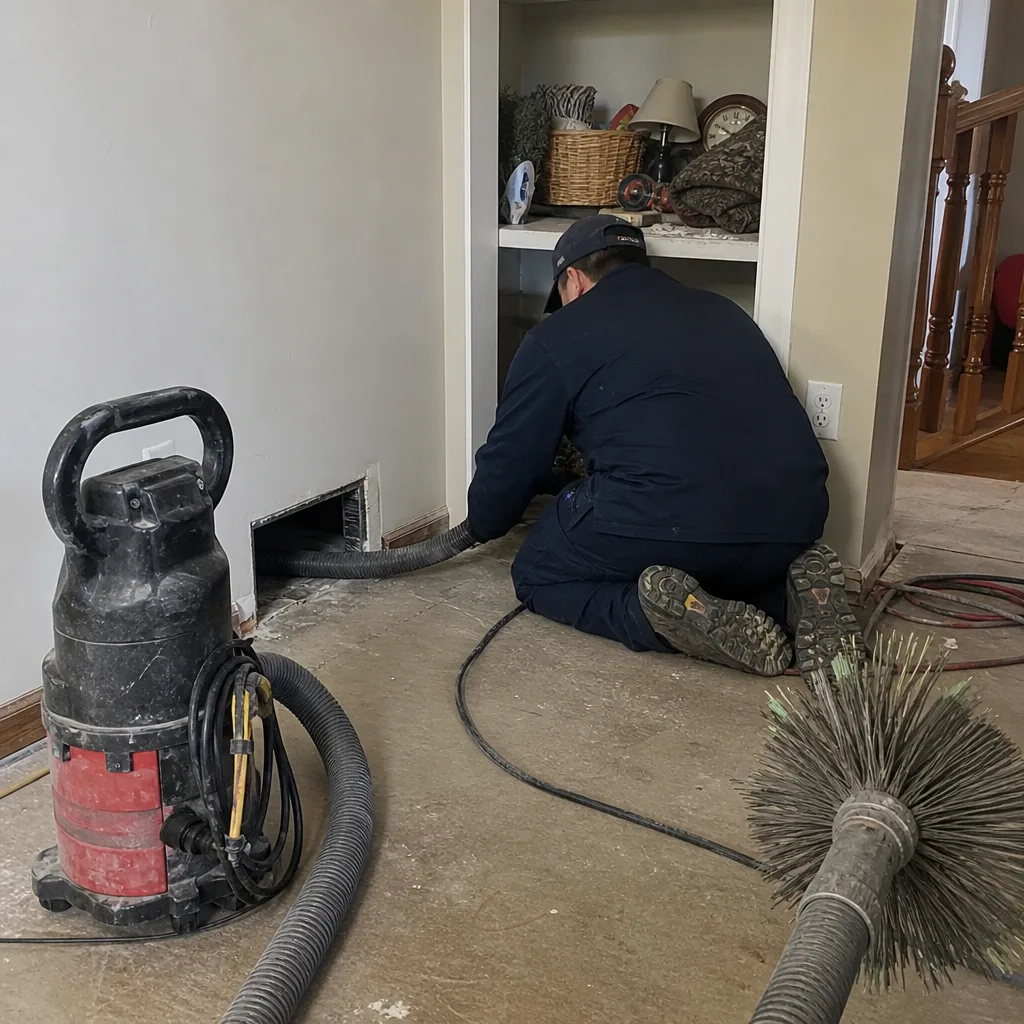 Before
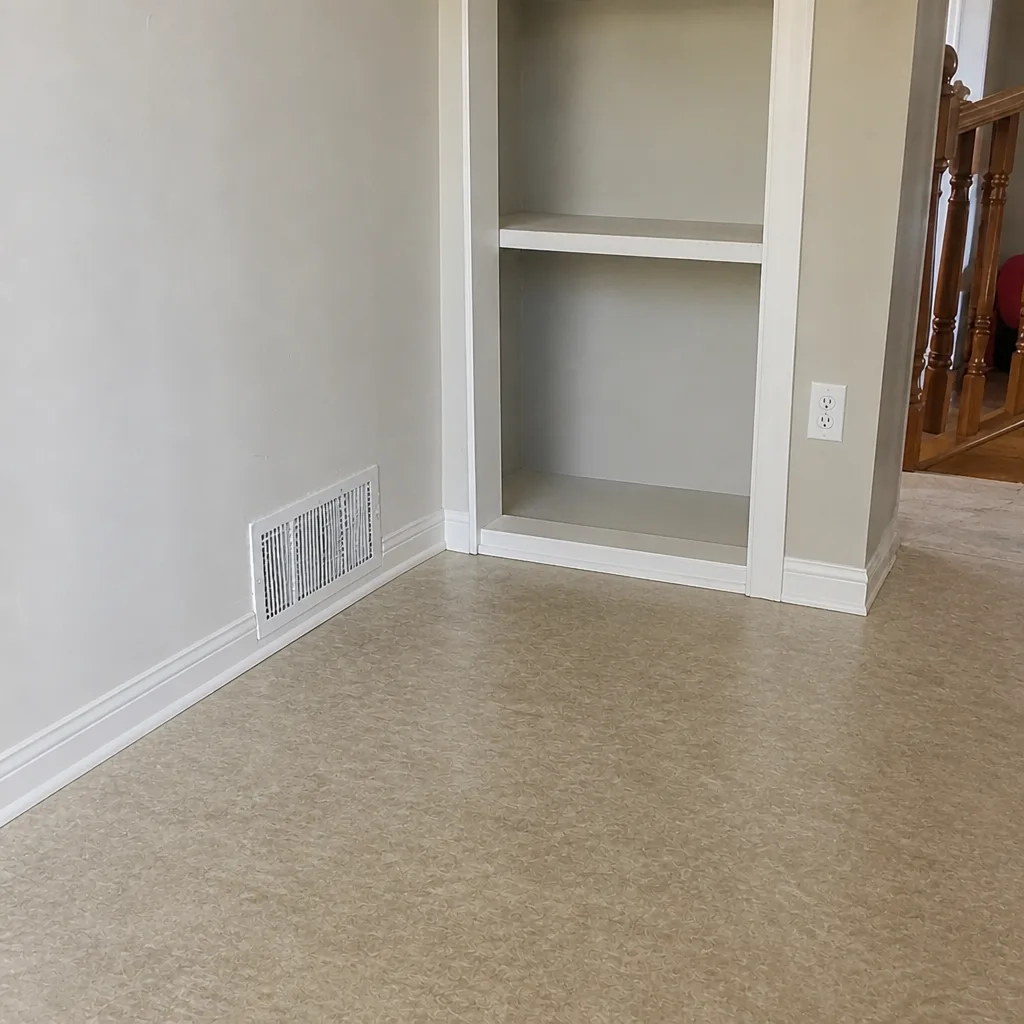 After
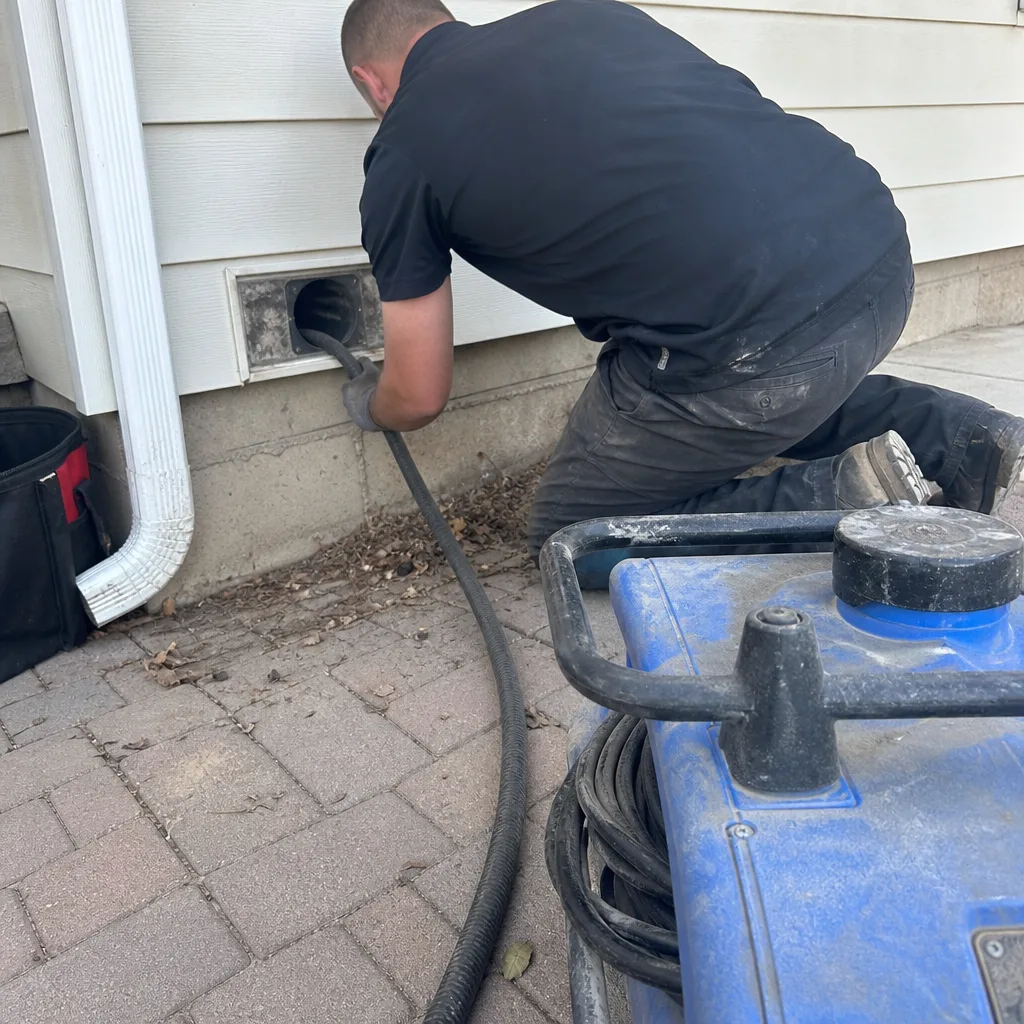 Before
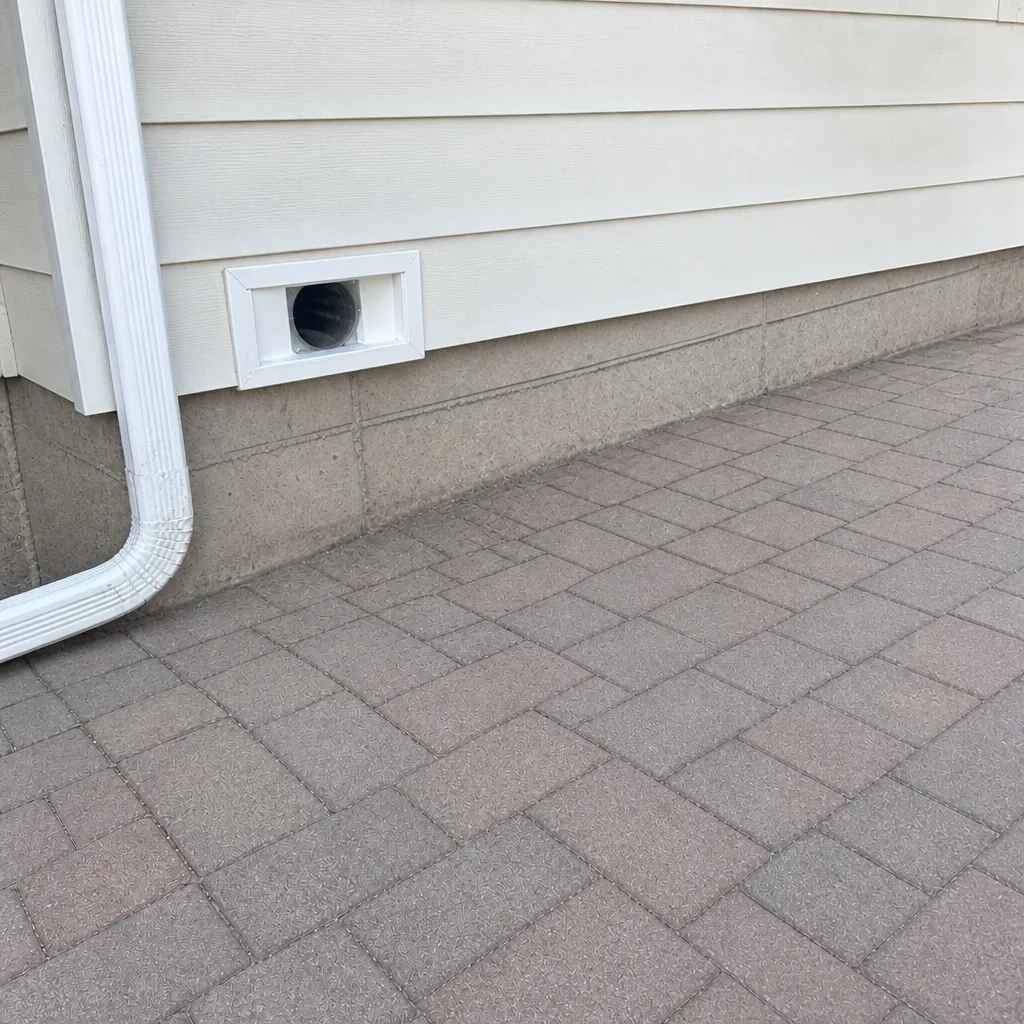 After
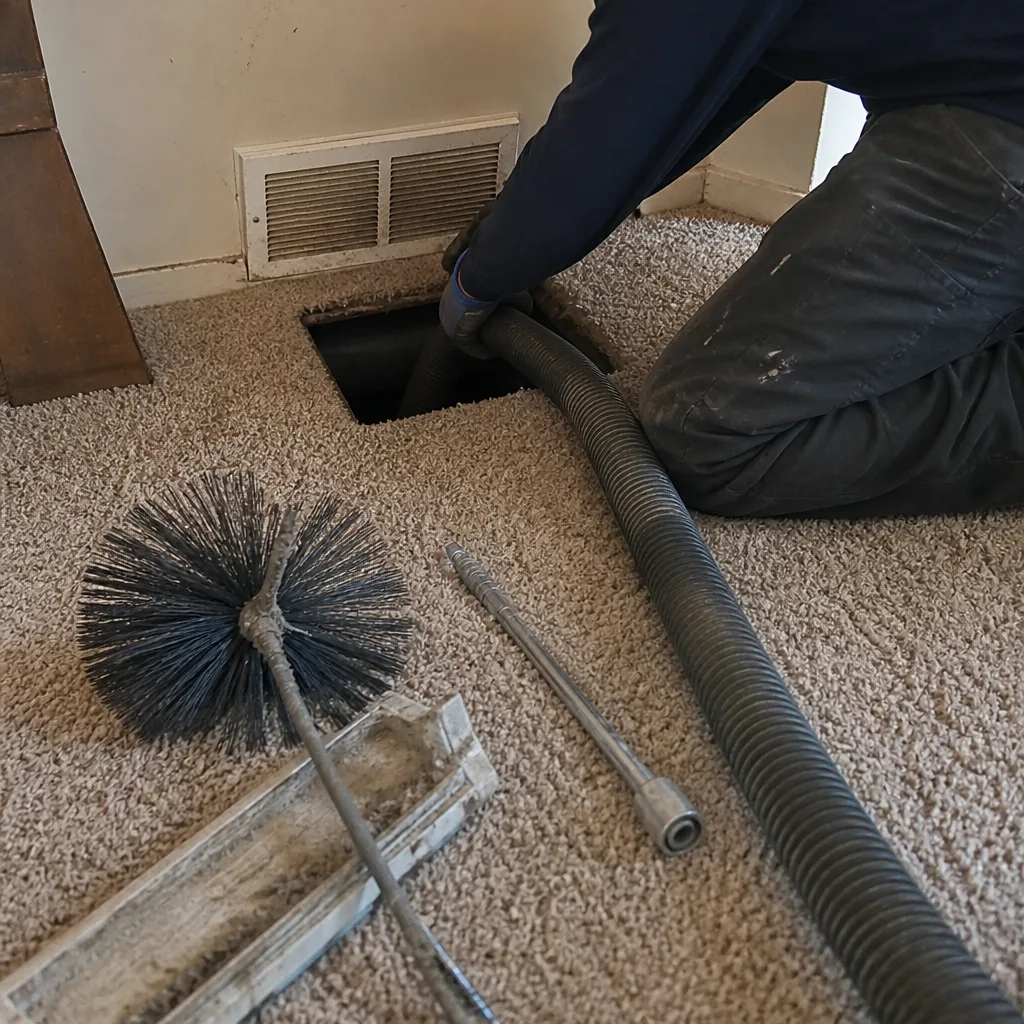 Before
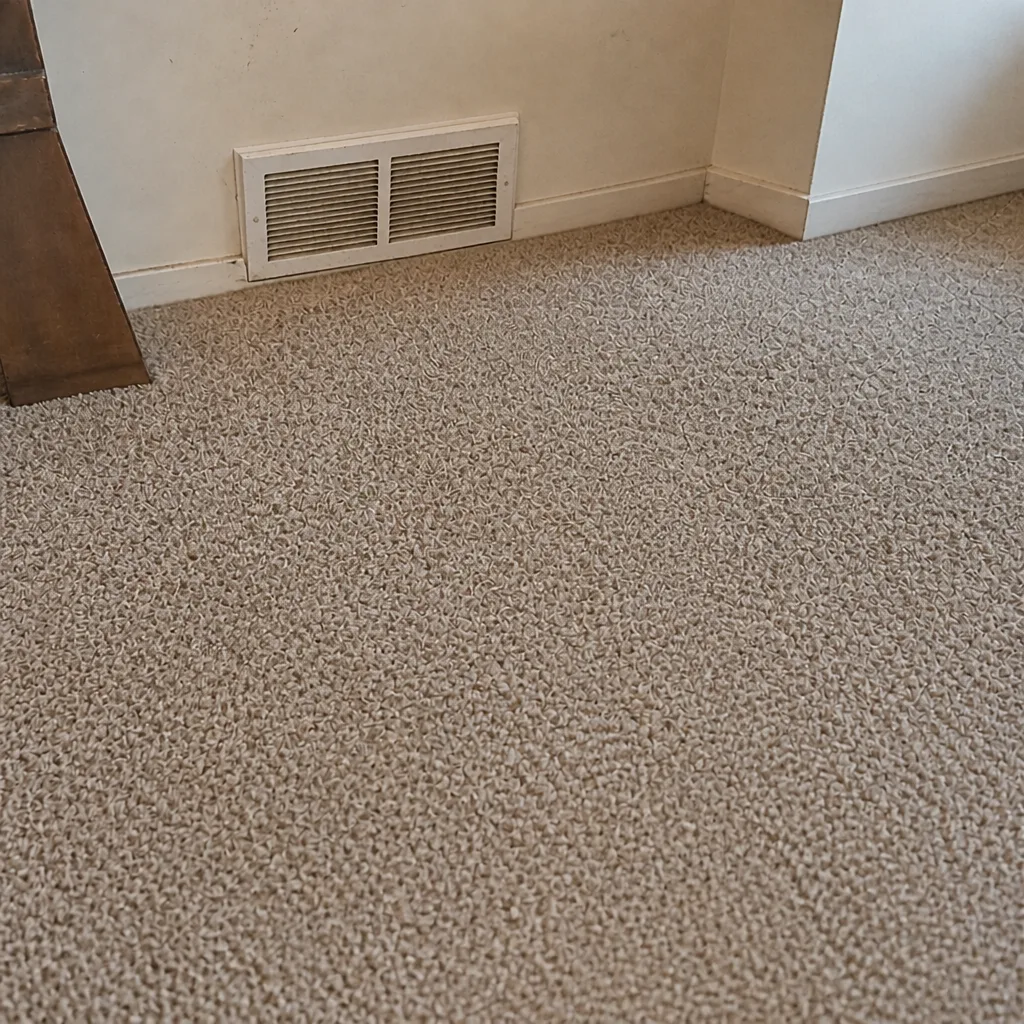 After
When to Call a Professional
Some situations warrant a call to a professional cleaning or inspection well before a permit question arises. If you’re seeing visible dust blowing from registers every time the system kicks on, if the return grill has a dark halo around it, if a musty smell appears whenever the heat comes on, or if you’ve just finished a renovation and the system pulled dust from the air the entire time, a cleaning inspection is the right move. The same applies if allergy symptoms in the household correlate with the HVAC cycling, or if you’re a property manager preparing a unit for turnover and want a documented clean before the next occupant.
Air duct cleaning in Tooele is our core work, and free estimates mean you can get a professional scope from a business that knows the regulatory picture. Call (855) 658-4369. We answer 24/7. Fast dispatch from 7am to 7pm, Sunday through Friday.
Frequently Asked Questions
No, standard duct cleaning in Tooele does not require a permit. A permit becomes relevant only if the job involves modifying or replacing ductwork, adding runs, or changing the HVAC system itself, which brings in the Tooele County Building Department. If a contractor suggests permit-level work is included “for free,” ask why and who signs for it. Call (855) 658-4369 for an exact quote on cleaning-only work; estimates are free.
Yes. Antimicrobial products applied inside ductwork are regulated as pesticides at the federal level by the EPA, regardless of state. The product must be EPA-registered for HVAC interior surfaces, and it must be applied per its label. Ask to see the label before any spray is used. Call (855) 658-4369 if you’d like to hear which products we use and how they’re warranted.
Cleaning becomes remediation when confirmed microbial growth is present in sufficient quantity that it needs controlled removal – typically with containment, negative pressure, and documentation. Certified remediation is performed through IICRC-certified work and produces a written protocol and verification. If a contractor uses the word “remediation” without documentation, ask why. Call (855) 658-4369 for an inspection and estimate; estimates are free.
Utah DOPL licenses mechanical contractors, so ask for a license number and verify it through DOPL’s public lookup before any repair work starts. Cleaning does not require a license in the same way, but full HVAC-side repair does. If the person offering repair is the same person cleaning, and they can’t produce a license, that repair shouldn’t happen. Call (855) 658-4369 to ask how we handle that boundary on your specific job.
Utah does not require certifications or insurance for cleaning-only work, so your protection comes from the written scope and documentation, not from mandatory certification. That’s one reason documentation matters so much: before-and-after photos, a written scope, and a written estimate protect you even when regulations don’t. Call (855) 658-4369 if you want your estimate to be in writing before anything is scheduled.
Yes, keep permit numbers and inspection sign-offs for any ductwork modification, and keep the written scope, before-and-after photos, and product labels for cleaning. If you’re filing an insurance claim or selling the house, those records are the difference between a smooth process and an uphill one. Call (855) 658-4369 to get a documented cleaning estimate before you schedule.
The Bottom Line
Standard cleaning in Tooele needs no permit, but three things shift the regulatory picture: modification or replacement of ductwork (Tooele County jurisdiction), HVAC repair performed by anyone unlicensed (Utah DOPL rules), and antimicrobial or sanitizing treatments inside the ducts (EPA pesticide rules). Mold remediation is its own category with its own documentation requirements, and a homeowner who understands the boundary between cleaning and everything else is a homeowner who doesn’t get surprised. Ask for the label, ask for the license number, ask for the photos and the written scope. Then verify. That habit will carry you through every provider in this trade. Our team at Tooele Air Duct Cleaning is glad to walk you through where your specific job lands. If your visit also needs the whole system cleaned and the ducts sealed afterward, our HVAC cleaning work covers that scope.
Call (855) 658-4369. We answer 24/7. Fast dispatch from 7am to 7pm, Sunday through Friday. Free estimates, and we’ll tell you plainly which category your job falls into before anything is scheduled.
Written by the team at Tooele Air Duct Cleaning.